
Mainland Europe offers an irresistible variety of sights, sounds and flavours. From the Atlantic to the Adriatic, each country presents distinct culinary traditions worth following on their own. If you prefer to map a trip by taste, here is a clear, concise guide to the signature flavour profiles of Western Europe.
Italy
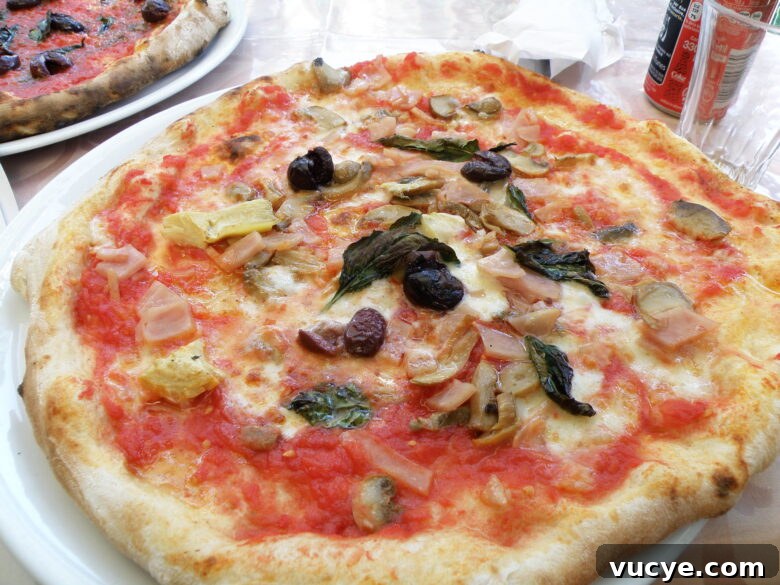
Italy’s culinary influence is worldwide and deeply rooted in regional traditions. Pizza — born in Naples — is a global icon, but Italian cuisine stretches far beyond. Risotto and arancini showcase the country’s mastery of rice, while simple, seasonal ingredients define meals in family-run trattorie. Italy’s wine culture is equally rich: small producers and historic estates in regions such as Tuscany and Piedmont offer wines meant to be savoured with local food, often in the same villages where they are made.
France
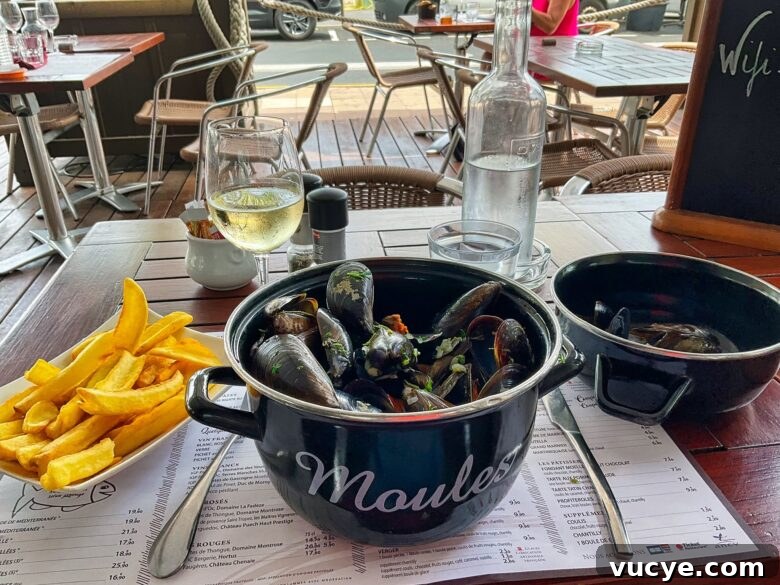
France remains central to classic winemaking and culinary technique. From the northern Rhône’s remarkable Syrah to the sparkling traditions of Champagne, the country offers distinctive wine regions with long histories. French food ranges from haute cuisine in metropolitan restaurants to the comforting regional dishes found in brasseries and coastal towns: bouillabaisse and moules marinières on the Mediterranean, cassoulet in the southwest, and countless farmers’ markets brimming with artisanal cheese and charcuterie.
Belgium
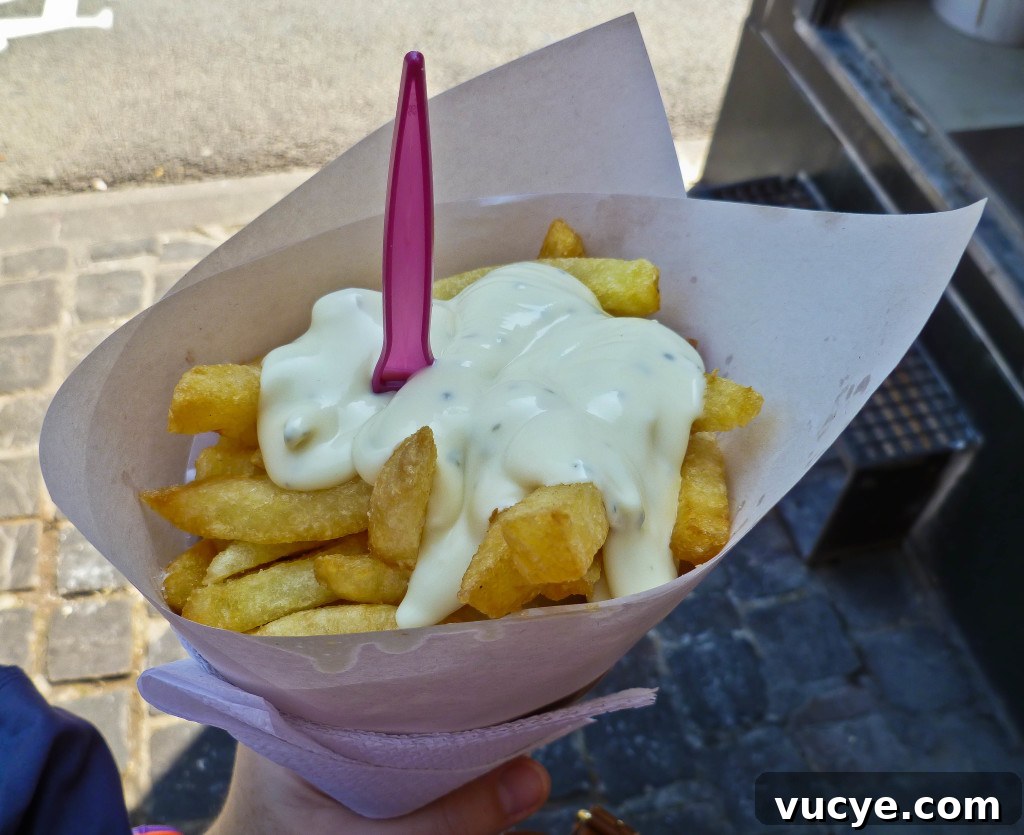
Belgium is famed for its confectionery and brewing traditions. Belgian chocolate and patisserie are world-renowned, and the light, crisp Belgian waffle is a beloved street treat. On the savoury side, “frites” served in a paper cone with mayonnaise are a national institution. The country also boasts a remarkable beer culture — from complex Trappist ales to sour lambics and a broad range of artisanal farmhouse brews — making Belgium a must-visit for beer and sweet-tooth travellers alike.
Spain
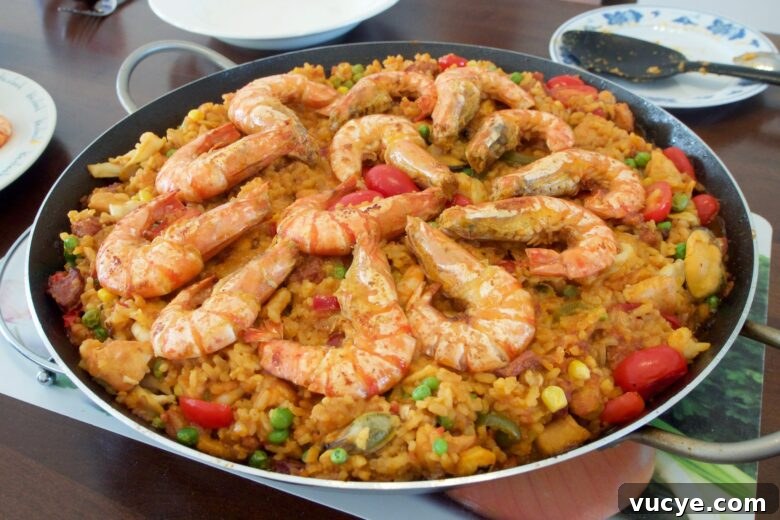
Spain brings bold, sun-soaked flavours and regional diversity. Coastal paellas highlight fresh seafood and saffron; inland you’ll find paprika-rich stews, roast meats and creamy, slow-cooked dishes. Spanish charcuterie, from jamón ibérico to a range of cured sausages, pairs naturally with vibrant regional wines, including notable Rioja and other expressive varietals. Tapas culture — small plates designed for sharing — allows diners to taste many contrasting flavours in a single meal, from patatas bravas and garlic prawns to smoky, peppery padrón peppers.
Each of these Western European countries offers a culinary identity shaped by landscape, history and local ingredients. Whether you follow vineyards, seafood markets, bakeries or street stalls, tasting your way across Italy, France, Belgium and Spain provides a memorable route through Europe’s richest culinary traditions.
Photo credit: pizza, moules, paella, champagne