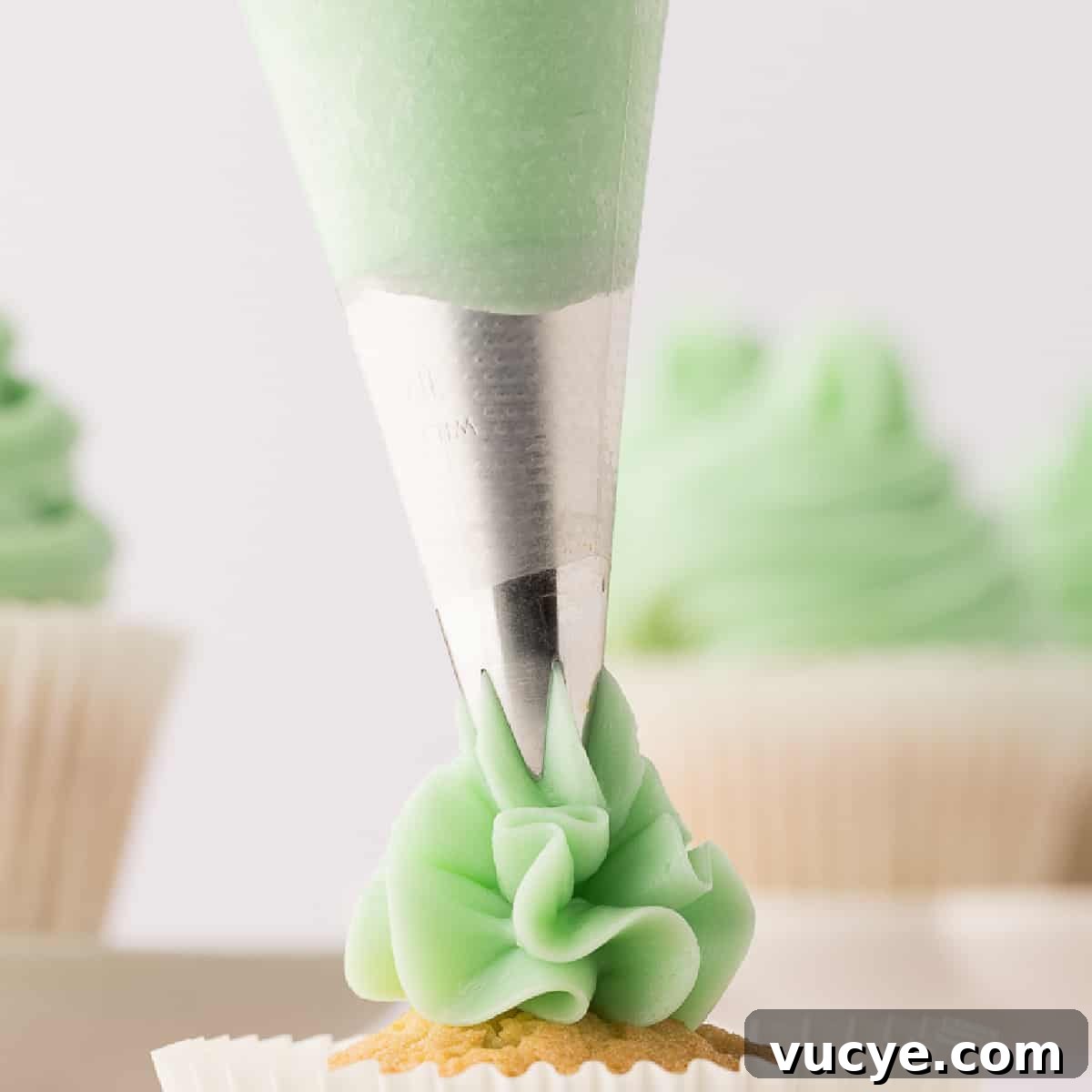
Making Swiss Meringue Buttercream is easier than it looks. The result is silky, light, and perfect for piping onto cakes and cupcakes.
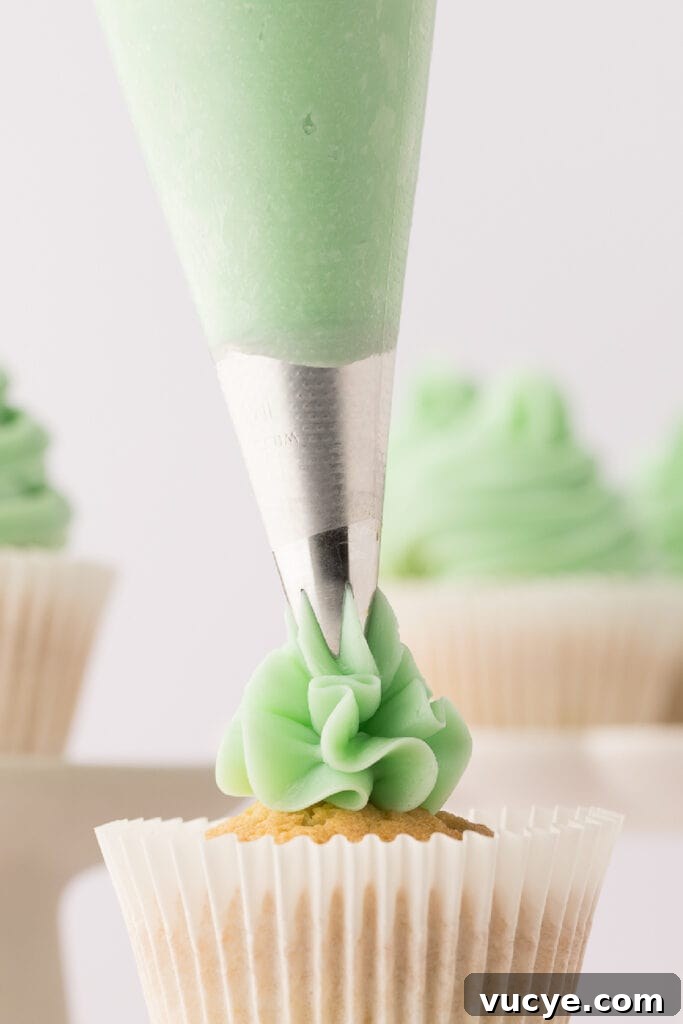
Swiss Buttercream Frosting – A Heavenly Delight!
Swiss Buttercream, or Swiss Meringue Buttercream, is a favorite among home bakers and professionals alike. Its smooth, glossy finish and airy texture elevate cakes, cupcakes, and other desserts. This post explains what Swiss Buttercream is, why it’s worth making, and how to prepare it with confidence.
What is Swiss Buttercream?
Swiss Buttercream is made by gently heating egg whites and sugar over a simmering water bath until the sugar dissolves, then whipping the mixture to form a glossy meringue. Softened butter is added gradually, producing a stable, creamy buttercream that’s less sweet than traditional American-style frostings.
Why Swiss Buttercream?
- Silky Texture: The finished buttercream is exceptionally smooth and spreads easily, giving a professional appearance.
- Balanced Sweetness: Because it uses a meringue base, this buttercream tastes less overwhelmingly sweet, letting other flavors stand out.
- Stable for Decorating: It holds piped shapes well, making it ideal for detailed piping and decorations.
- Customizable: It takes flavorings and colors readily, so you can tailor it to any theme or palette.
Swiss Buttercream Recipe
This Swiss Meringue Buttercream recipe walks you through each step. While it requires a few stages, the method is straightforward and reliable, and the payoff is a versatile, delicious frosting you’ll want to use again and again.
Whether you’re new to baking or already experienced, Swiss Buttercream is a useful technique to master. Its light texture and adaptability make it an excellent choice for a wide range of desserts.
If you’d like to try variations, experiment with extracts, citrus zest, cocoa, or fruit purées to create unique flavors that pair with your cake or cupcake base.
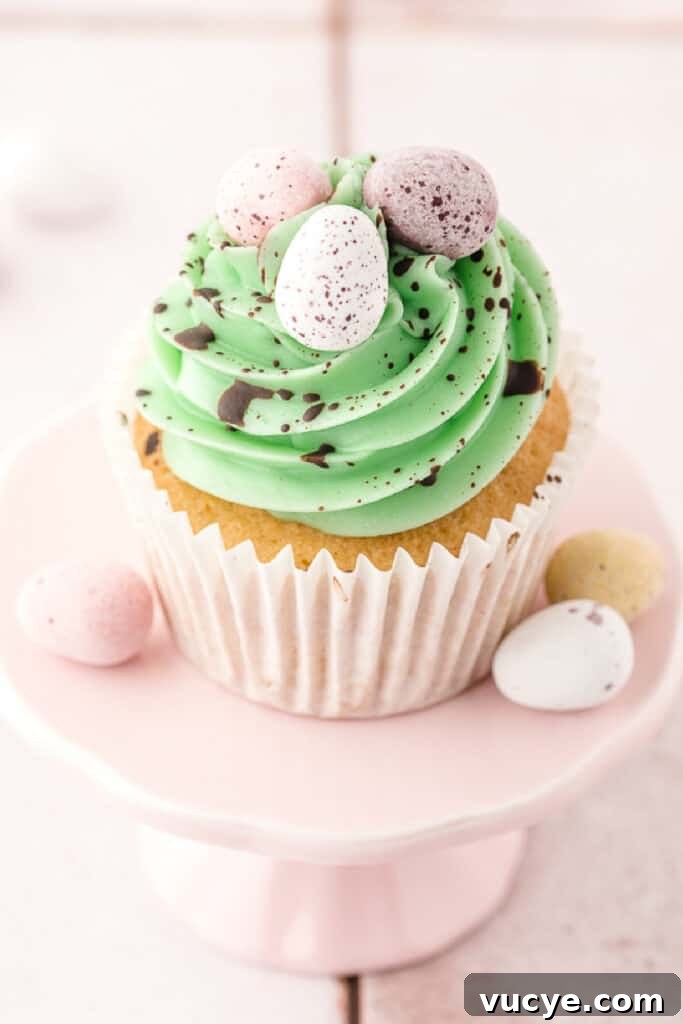
Swiss Buttercream: Ingredients & Substitutions
Below are common ingredients and safe substitutions to adapt the recipe to your needs.
Ingredients
- Egg whites – Pasteurized carton egg whites can be used for food-safety peace of mind.
- Granulated sugar – Superfine or caster sugar works well. Powdered sugar can be used, but it may slightly change the texture.
- Unsalted butter – Use salted butter if necessary, but reduce any additional salt. Vegan butter works for a dairy-free version, though texture and flavor may vary.
- Vanilla extract – Swap for almond, lemon, coconut, or other extracts to change the flavor.
- Food coloring – Gel food coloring is recommended because it adds color without extra liquid.
Substitutions will alter texture and taste to varying degrees; adjust quantities and taste as you go to achieve the result you want.
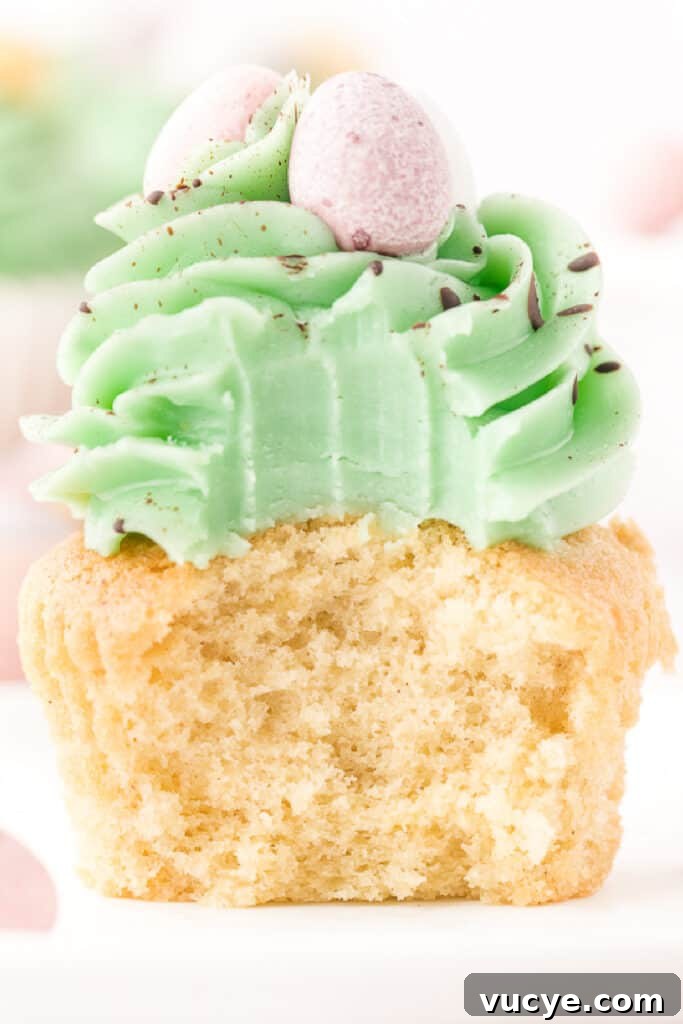
How to make Swiss Meringue Buttercream
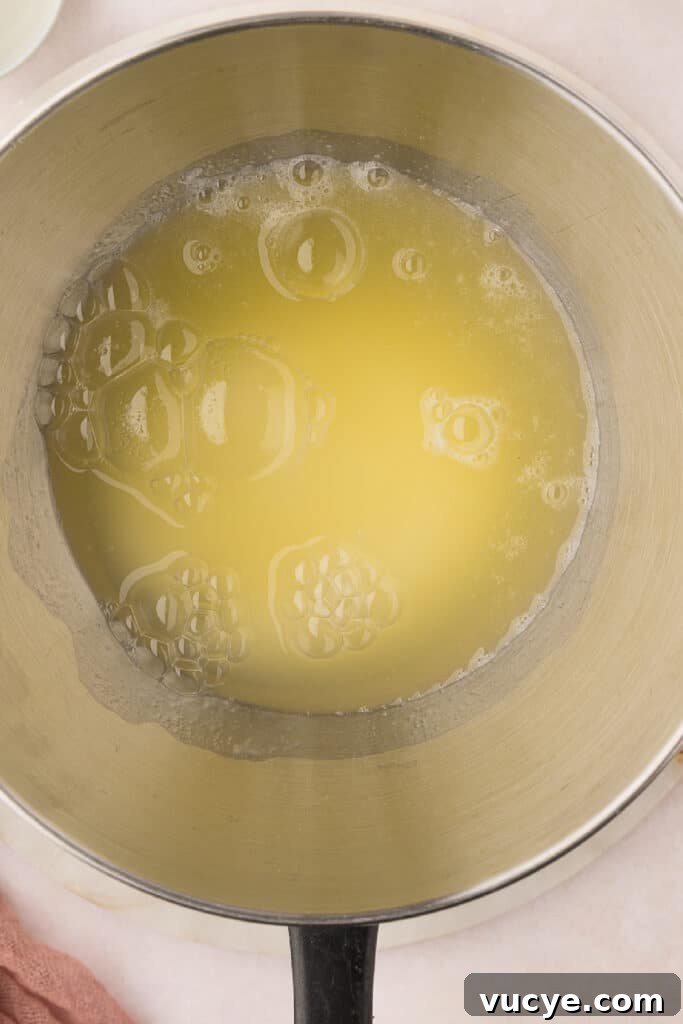
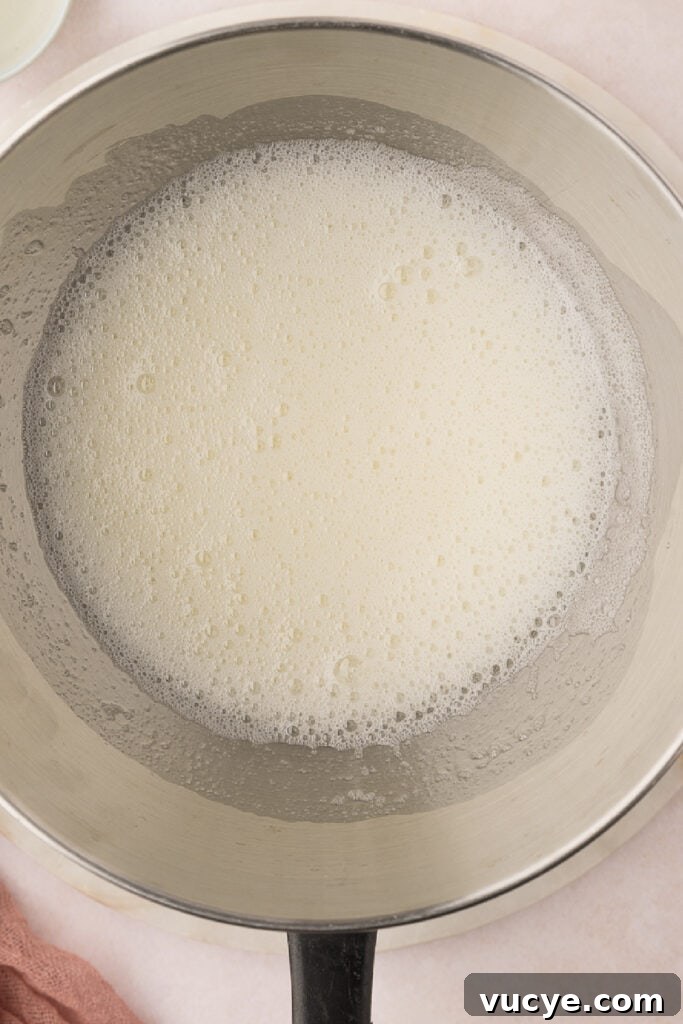
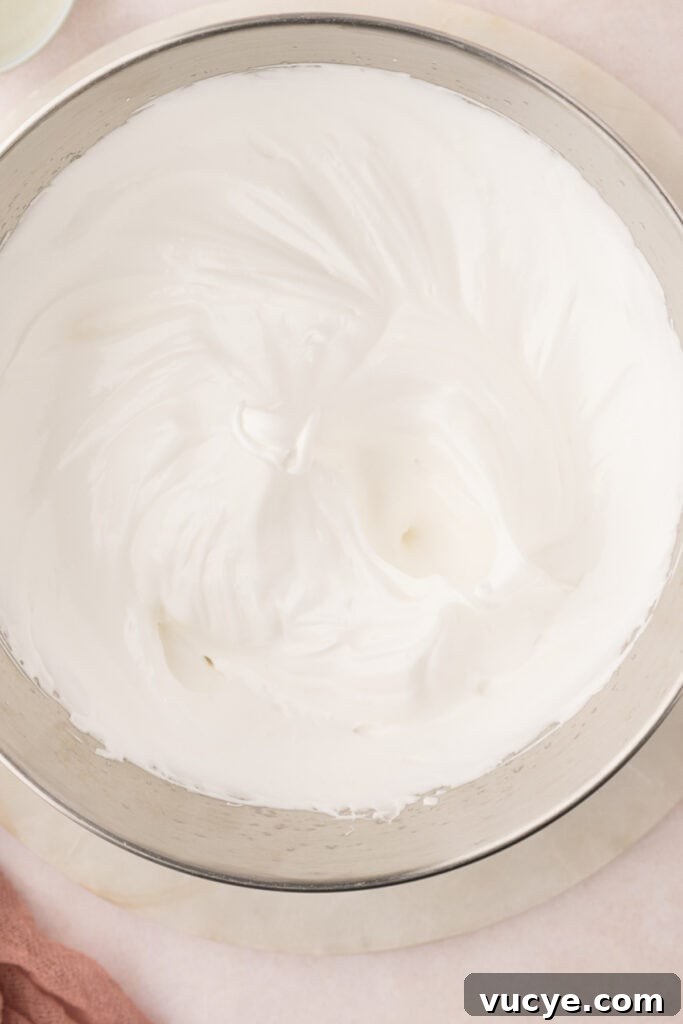
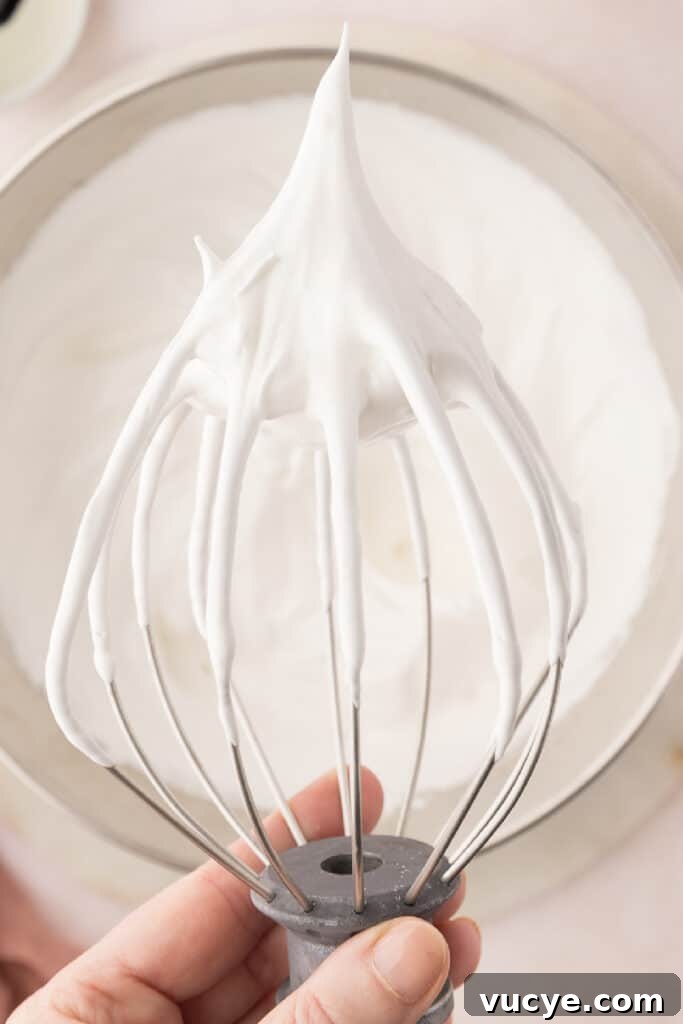
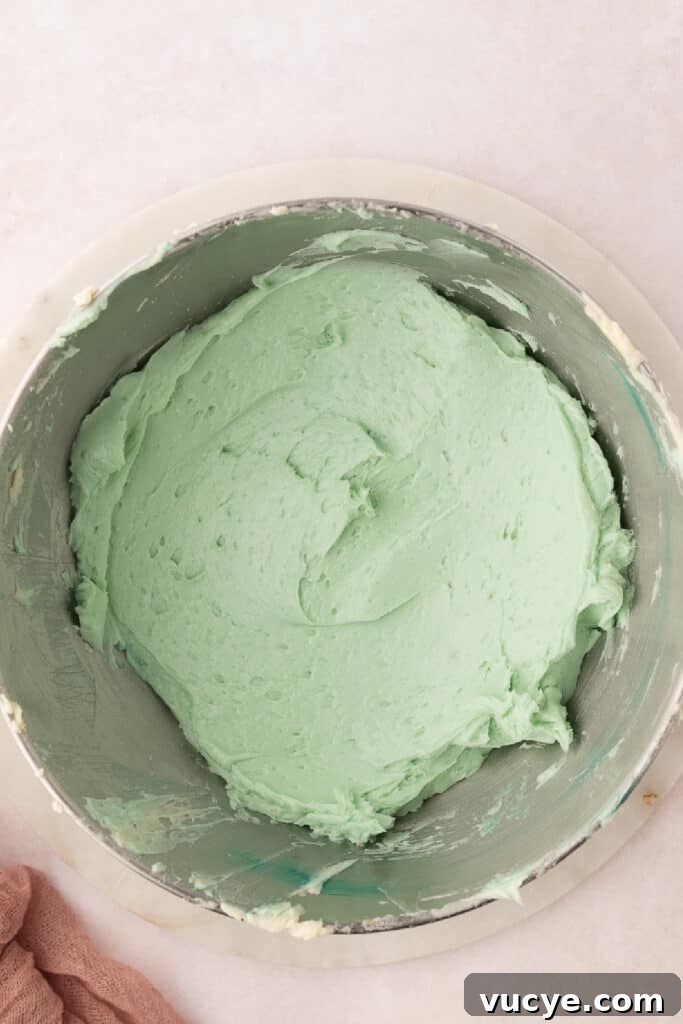
Serving Suggestions For Swiss Meringue Buttercream
- Cakes: Spread between layers and use to cover the whole cake for a smooth, elegant finish. Add piped decorations or edible flowers for extra flair.
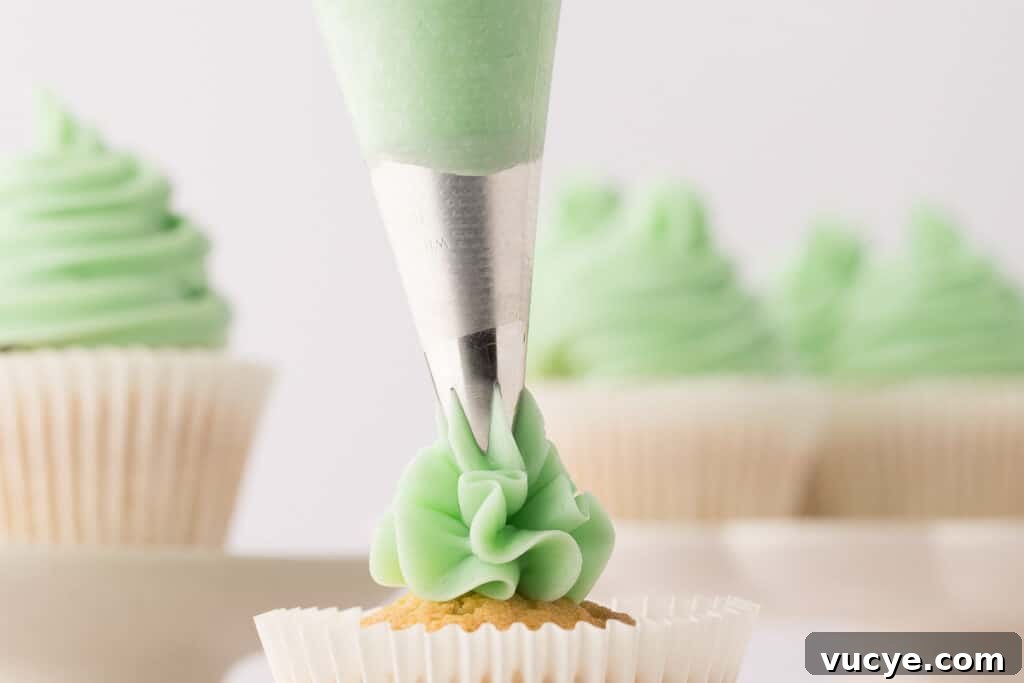
- Cupcakes: Pipe swirls with a piping bag and decorative tip for a classic presentation.
- Cookies: Sandwich two cookies with a dollop of buttercream for a rich cookie sandwich—great with macarons or whoopie pies.
- Brownies: A thin layer of Swiss Buttercream adds a creamy contrast to dense brownies.
- Tarts and Pies: Use as a light topping or filling to complement fresh fruit.
- Dessert Shooters: Layer buttercream with cake crumbs and berries in small glasses for elegant individual desserts.
- Eclairs and Profiteroles: Fill choux pastries with buttercream and drizzle with chocolate for a decadent finish.
- Fruit Dip: Serve as a sweet dip for fruit platters.
- Mousse and Parfaits: Layer with mousse, cake, or fruit in trifles for added richness.
- Decorative Shapes: Pipe flowers, rosettes, or borders to embellish desserts.
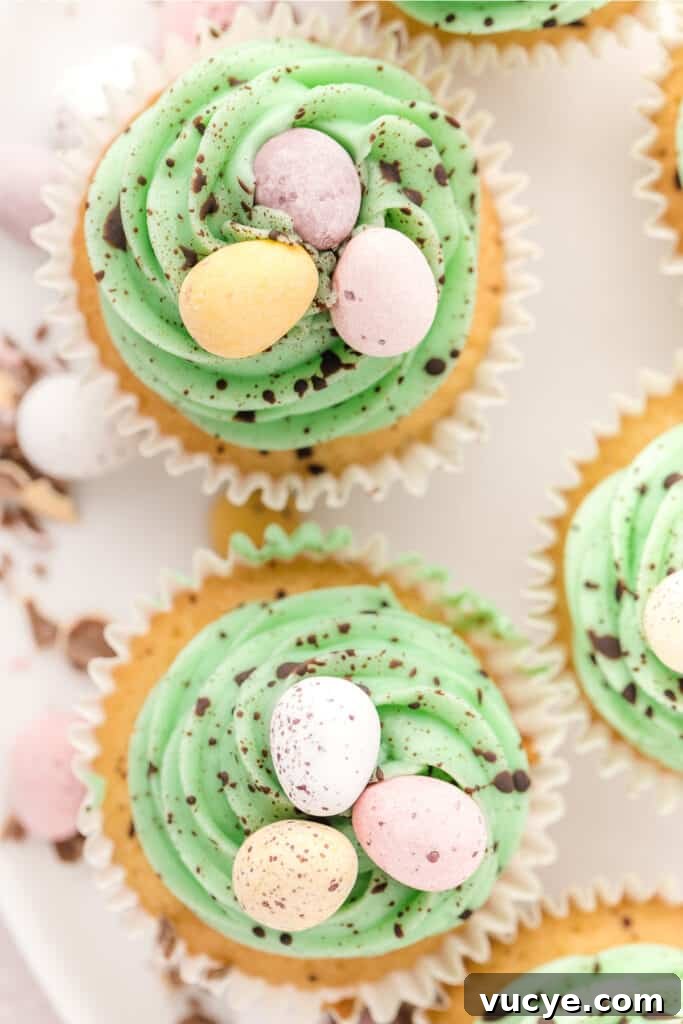
Swiss Meringue Buttercream: FAQs
Yes. Store in an airtight container in the refrigerator for up to a week or freeze for several months. Bring to room temperature and re-whip before using to restore texture.
Heat and humidity can soften the buttercream. Keep finished desserts in a cool place or refrigerate if your environment is warm. In very hot conditions, consider stabilizing adjustments or chilled display.
If too runny, chill briefly and then re-whip. If it appears curdled, continued mixing usually brings it back together into a smooth consistency.
Yes. The egg whites are heated over a double boiler until the sugar dissolves, which effectively pasteurizes them and reduces risk.
Short-term: it can be left at room temperature for up to 2 days if the room is not warm. For longer storage or warm kitchens, refrigerate in an airtight container and re-whip before use.
Other recipes you may enjoy
- Strawberry Buttercream Frosting
- Cream Cheese Frosting
- Peanut Butter Frosting
- Simple Vanilla Buttercream Frosting
- Easy Chocolate Frosting
Swiss Meringue Buttercream
Pin
Rate
Equipment
-
rubber spatula or wooden spoon
-
piping tip
-
piping bags
-
whisk
-
measuring cups and spoons
-
pot and pan set
-
stand mixer (recommended)
Ingredients
- ¾ cup egg whites
- 1 cup granulated sugar
- 2 ¼ cups unsalted butter, softened and cubed (about 4-1/2 sticks)
- 2 teaspoons vanilla extract
- gel food coloring (optional)
Instructions
-
Fill a saucepan with a couple inches of water and bring to a gentle simmer.
-
Combine egg whites and sugar in a heatproof bowl and set it over the simmering pan, ensuring the bowl doesn’t touch the water.
-
Whisk continuously for 4–5 minutes until the mixture is frothy and the sugar has dissolved. Test by rubbing a small amount between your fingers—there should be no graininess.
-
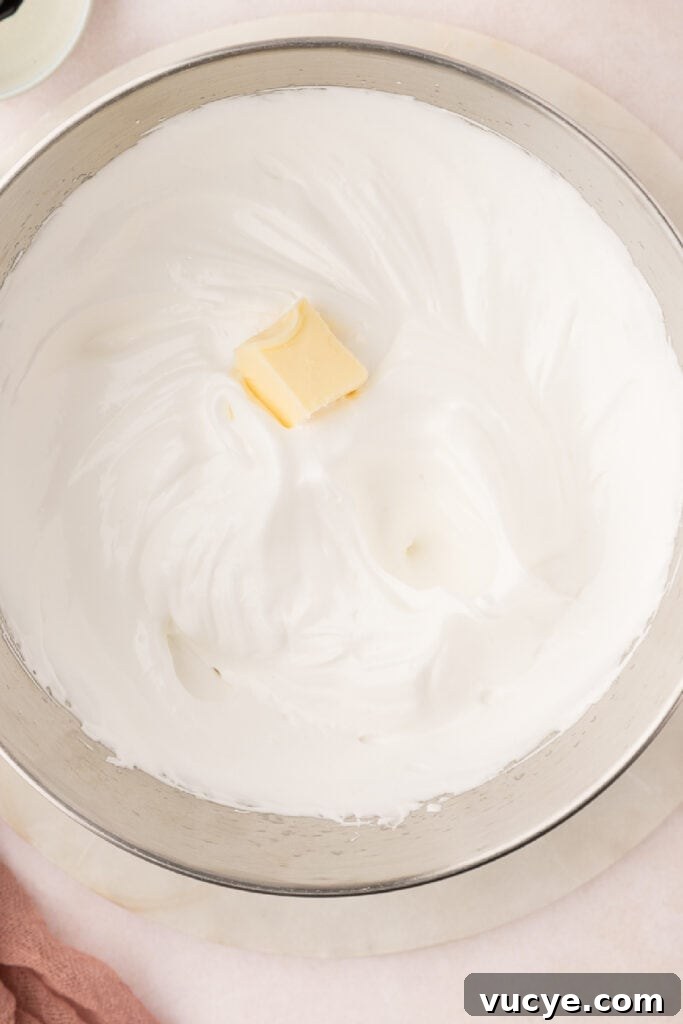
Transfer to a mixer and whisk on medium-high until stiff peaks form, about 10 minutes or longer.
-
If the bowl is still warm, chill in the fridge for 10 minutes so the meringue is cool before adding butter.
-
Switch to the paddle attachment.
-
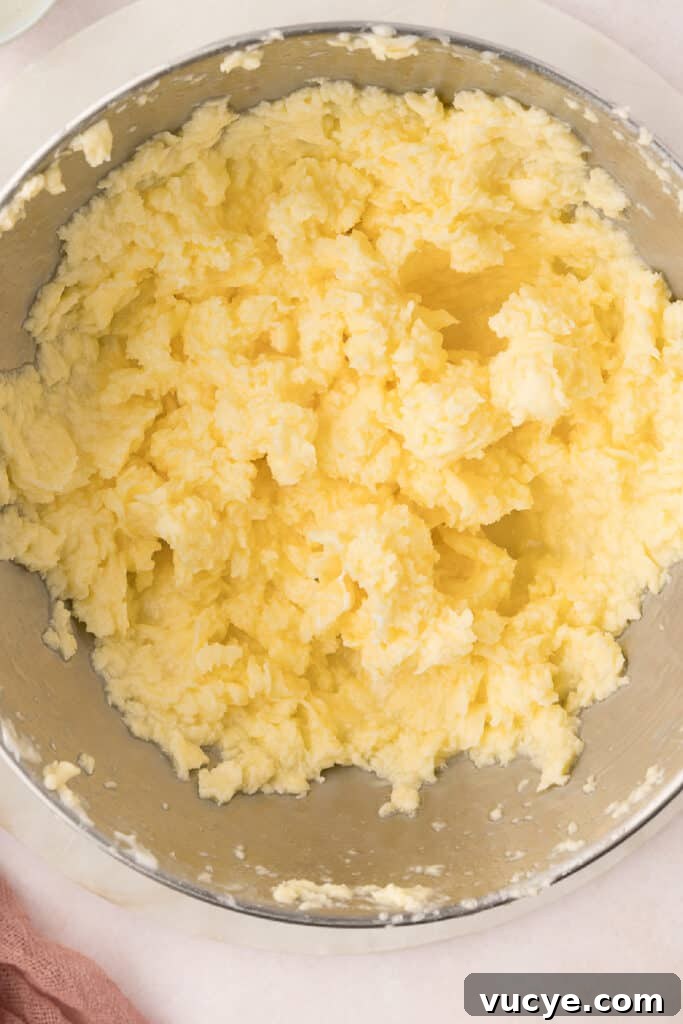
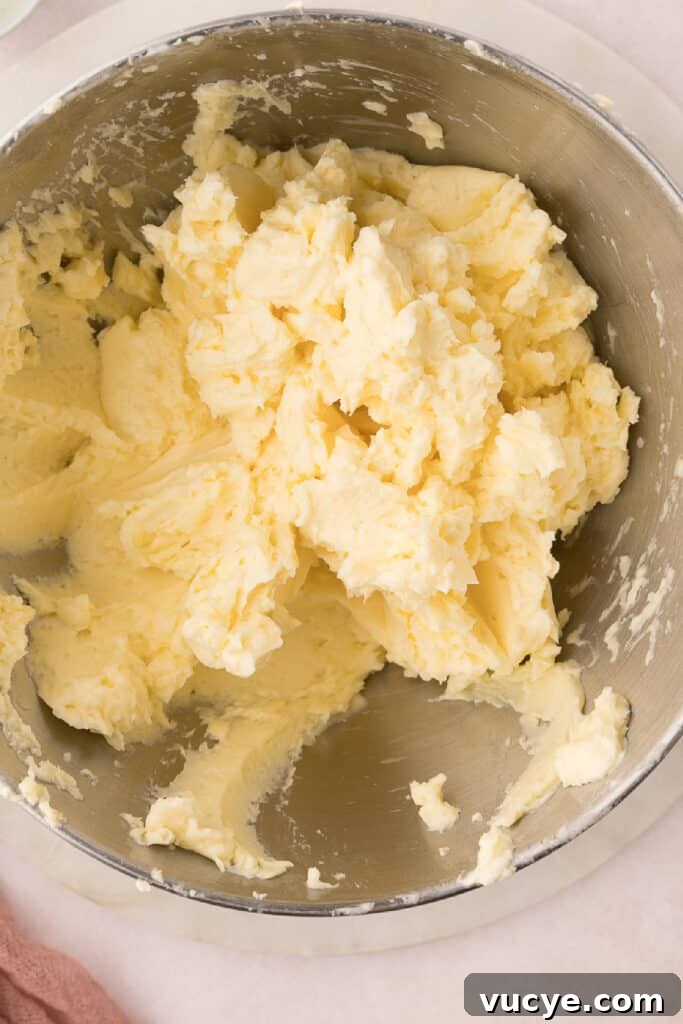
Add the butter a tablespoon at a time, beating on high and fully incorporating each addition before adding the next.
-
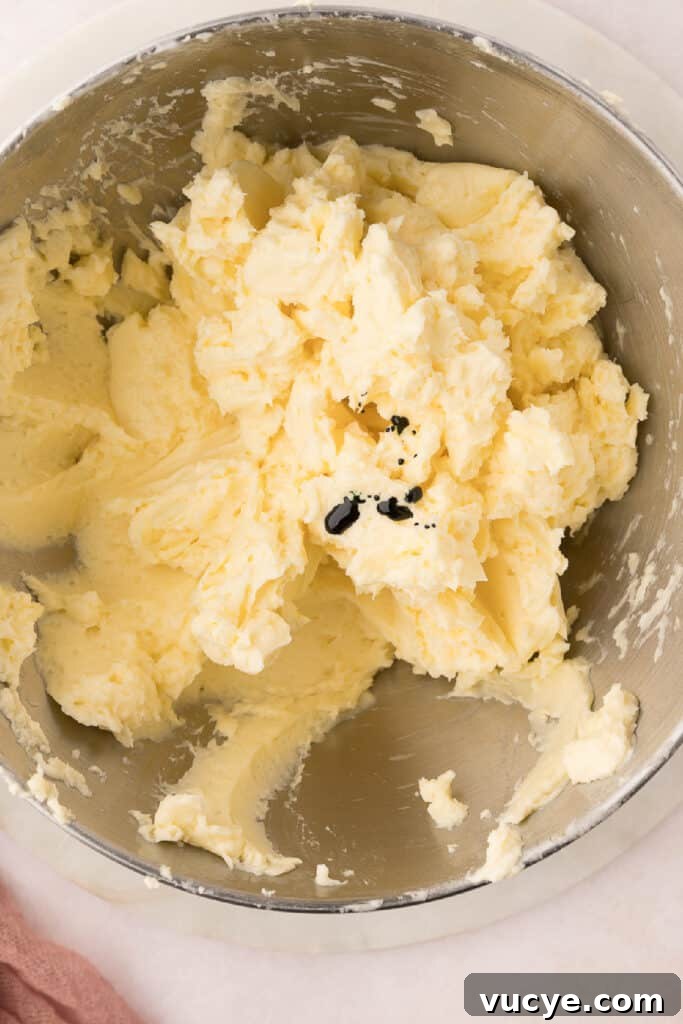
If the mixture looks split, continue mixing. Add the vanilla and keep beating until the buttercream becomes smooth and silky.
-
Add gel coloring if desired and briefly beat until uniform.
-
Transfer to a piping bag fitted with your chosen tip.
-
Pipe onto cooled cakes or cupcakes and enjoy.
Notes
- Store in an airtight container in the refrigerator for up to a week or freeze for longer storage. Bring to room temperature and re-whip before using.
- At room temperature, buttercream can sit up to 2 days in a cool environment. In warm kitchens, refrigeration is recommended.
- If chilled buttercream looks separated, continued whipping will usually restore a smooth consistency.
- Hand mixers work if you don’t have a stand mixer, but expect more mixing time and effort.
- Use gel food coloring sparingly; a little goes a long way.
Nutrition
Nutrition information is an approximation.
Like this? Leave a comment below!