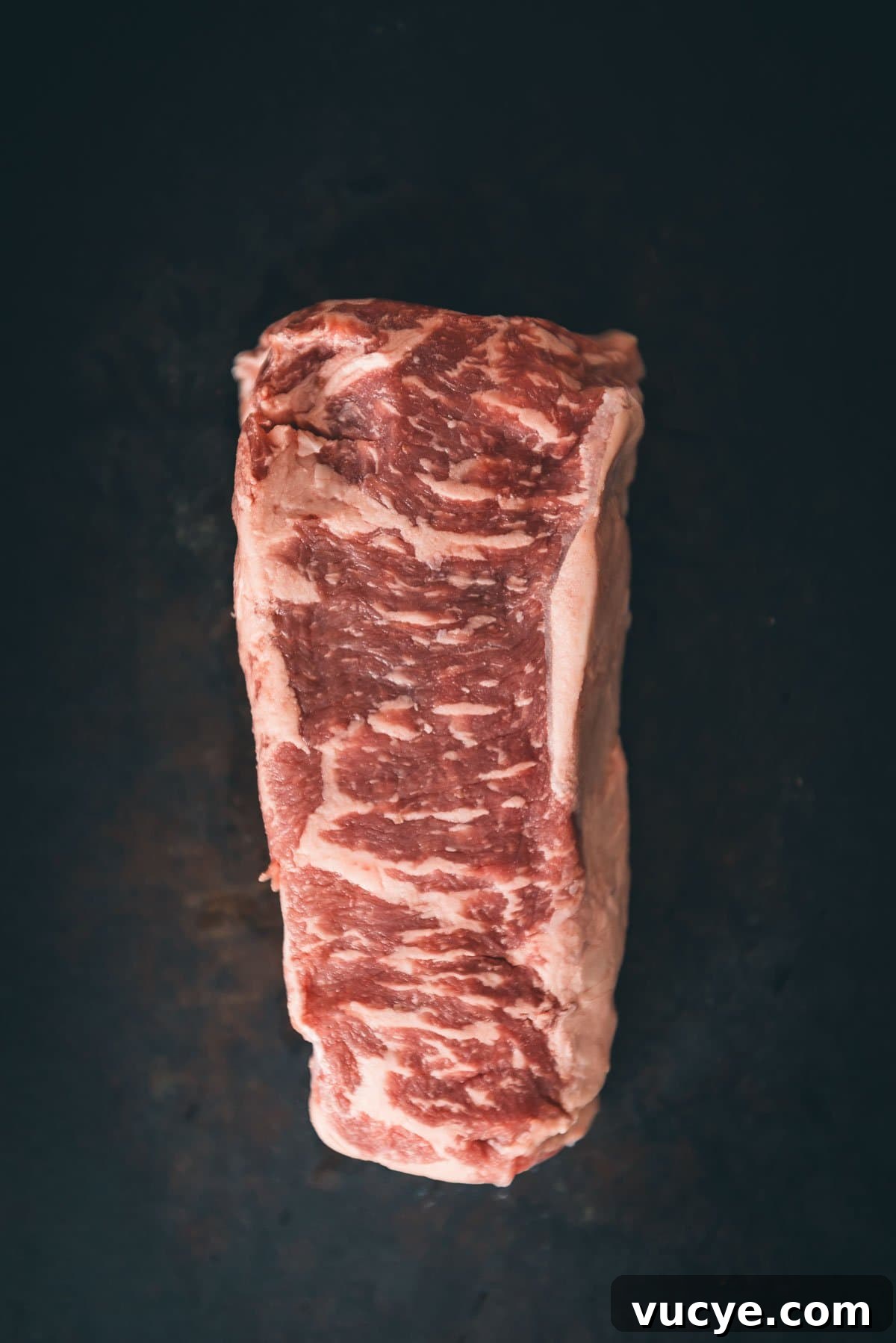
Understanding the difference between top-tier Prime and Choice beef helps you pick the right cut for flavor, tenderness, cooking method, and budget. This comparison explains what sets them apart so you can make informed choices at the market or butcher counter.
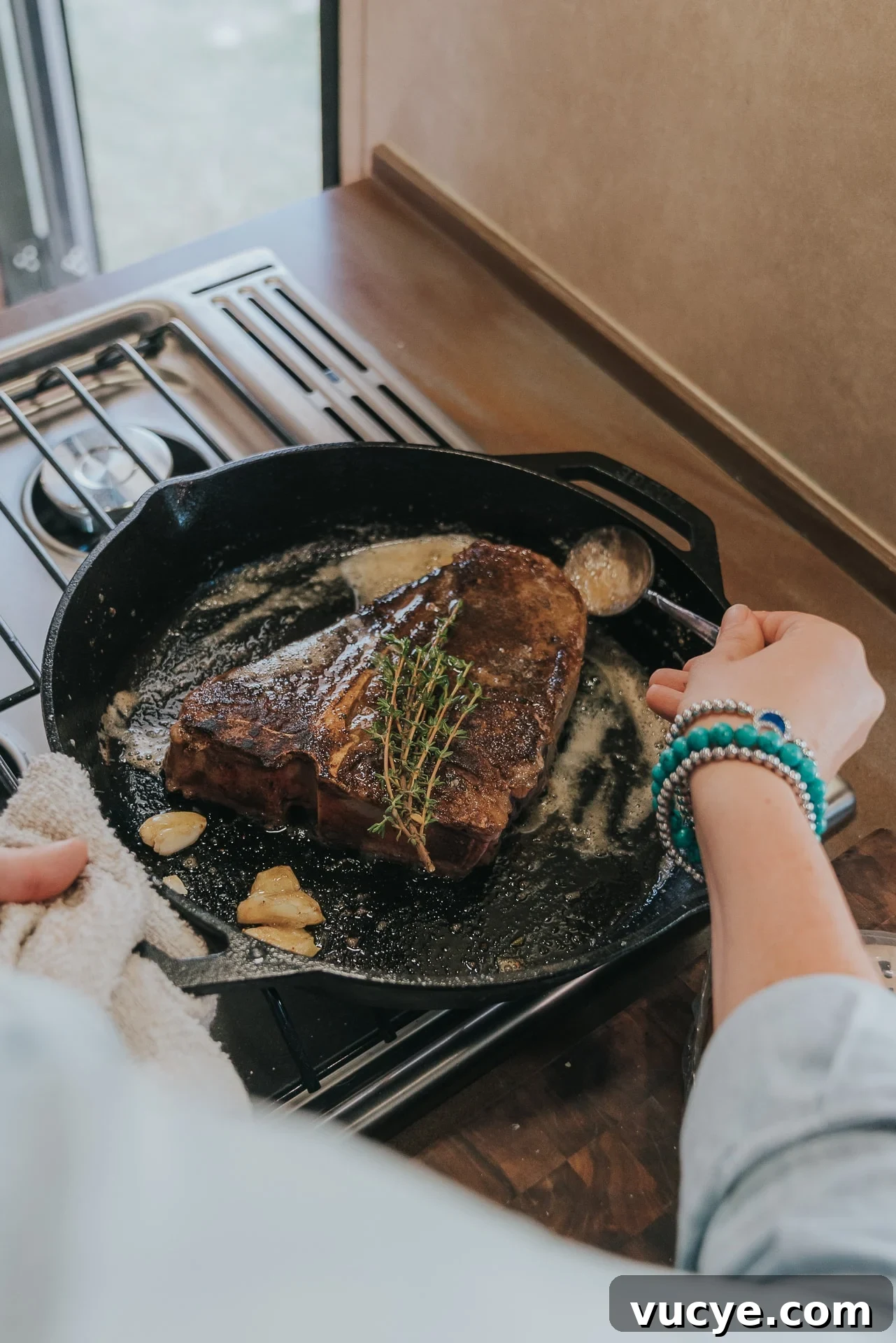
Table of Contents
- What Are USDA Beef Grades?
- Comparison to Prime Beef
- Prime Beef
- Grading Prime Beef
- Availability and Pricing of Prime Beef
- Prime Beef Cooking Tips
- Our favorite recipes for when we Splurge on Prime Beef
- Choice Beef
- Availability and Pricing of Choice Beef
- Choice Beef Cooking Tips
- Our favorite recipes that can turn a Choice cut into a Masterpiece
- Maximizing Flavor and Tenderness
- Differences in Cooking Times and Techniques
- Personal Preferences and Budget
- Budget
- Cooking Style
- More helpful How-to’s
Beef grades are evaluations that describe meat quality based on factors like marbling, color, texture, and animal maturity. In the U.S., the USDA grading system is the most common framework for understanding beef quality and choosing the right cut for your needs.
Marbling—the fine streaks of intramuscular fat—is one of the main elements that influence tenderness and flavor. Younger animals and better marbling typically produce more tender, flavorful beef. Some cuts, like ribeye and filet mignon, naturally benefit from higher grades because of their texture and muscle use.
What Are USDA Beef Grades?
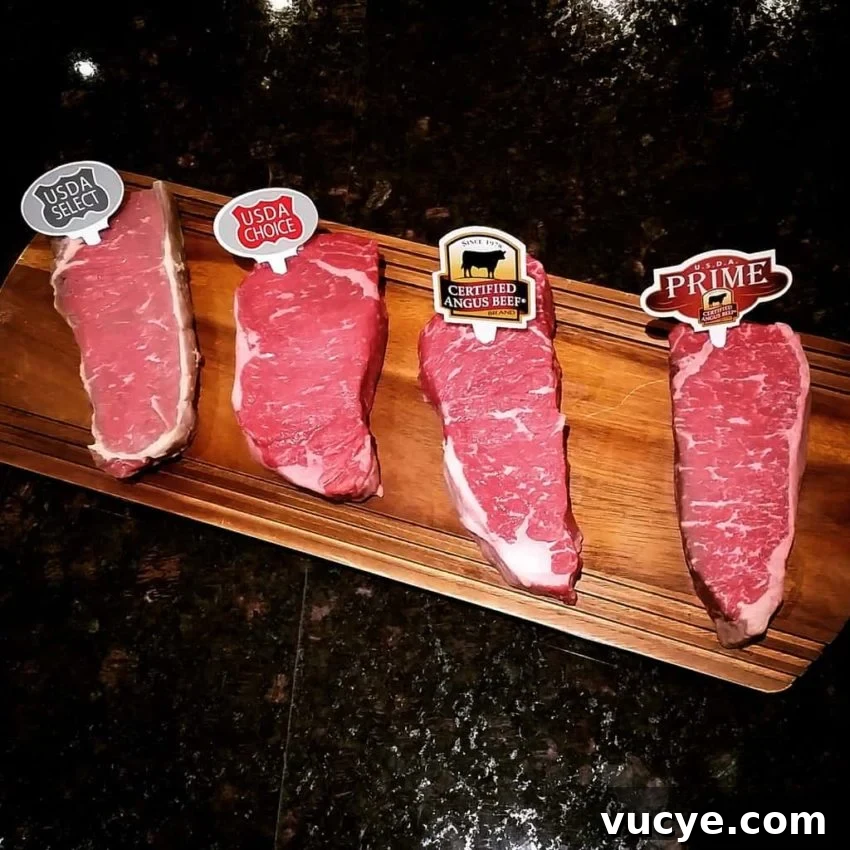
USDA beef grades are assigned by trained graders who assess marbling, color, texture, and maturity. The grade gives consumers and chefs a reliable signal about how a cut will perform when cooked. More marbling generally means juicier, more flavorful meat, while age and muscle development influence tenderness.
Understanding these grades helps you choose the right cut for your recipe and cooking method—whether that’s a fast, high-heat sear or a long, slow braise.
Comparison to Prime Beef
| Prime Grade Beef | Choice Grade Beef |
|---|---|
| Highest grade with abundant marbling, exceptional tenderness and flavor. Common in high-end restaurants and special occasions. | One step below Prime: good marbling and flavor, more affordable and widely available; suitable for many cooking methods. |
Prime Beef
USDA Prime represents the top tier most consumers can buy at retail. Its abundant marbling produces a buttery texture and concentrated beef flavor. Prime steaks are ideal when you want a memorable meal—think special occasions or restaurant-quality results at home.
Grading Prime Beef
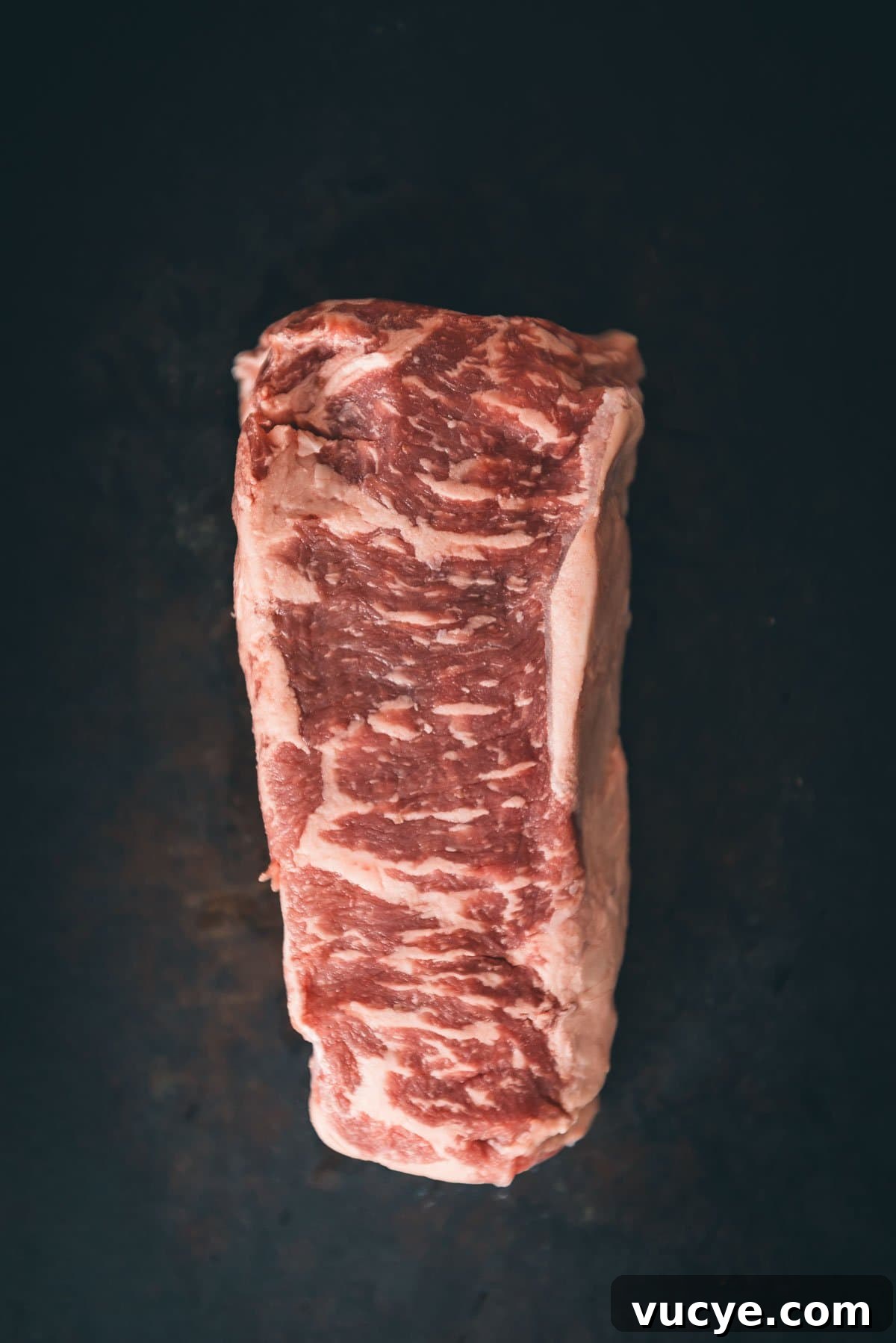
To earn Prime, a cut must show superior marbling, desirable color, proper texture, and appropriate maturity. Graders evaluate each carcass to determine where it falls on the scale; Prime reflects the highest marbling levels, which translate to exceptional juiciness and flavor.
Availability and Pricing of Prime Beef
Prime is less common at everyday grocery stores and is more often found at specialty butchers, upscale markets, or served in restaurants. Its scarcity and the care needed to produce it mean Prime commands a higher price. Reserve Prime for celebrations or when you want the best possible eating experience.
Prime Beef Cooking Tips
- Grilling and searing: High marbling makes Prime perfect for quick, high-heat cooking. Bring the meat to room temperature for even cooking and use a hot cast iron skillet or grill to develop a flavorful crust.
- Temperature control: Use a meat thermometer and aim for medium-rare to medium to let the marbling melt without overcooking.
- Resting: Let the cooked steak rest before slicing to redistribute juices and keep the meat tender and juicy.
Our favorite recipes for when we Splurge on Prime Beef
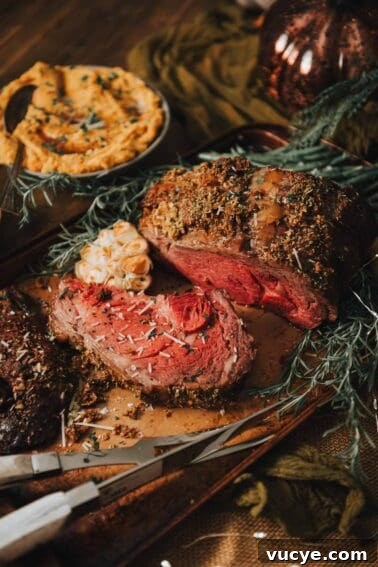
Beef Recipes
Garlic Herb Prime Rib
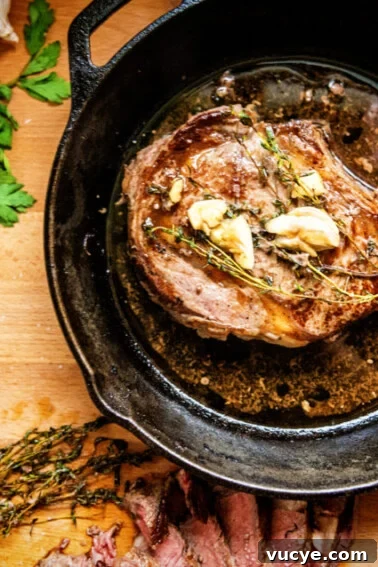
Beef Recipes
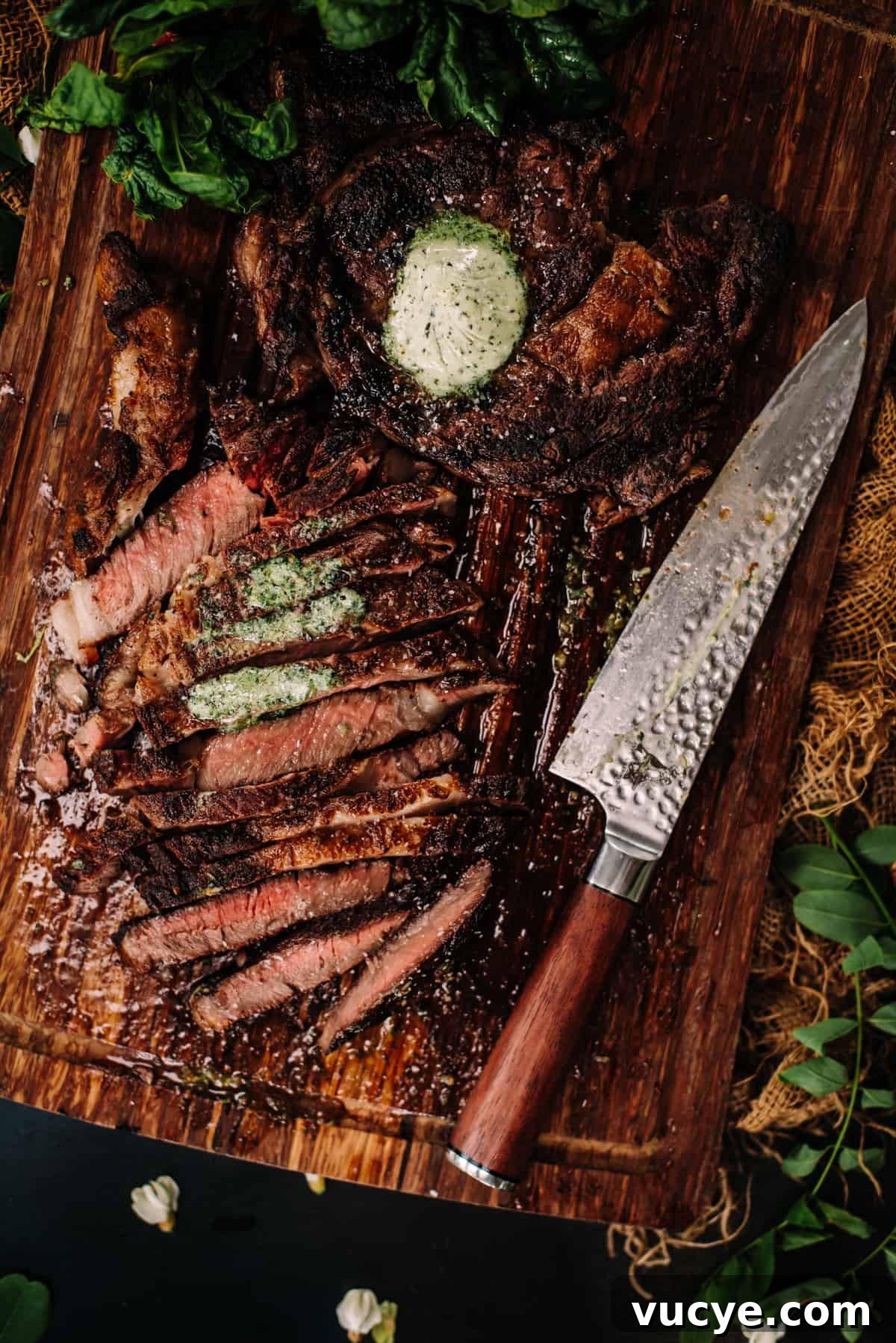
Perfect Pan Seared Ribeye
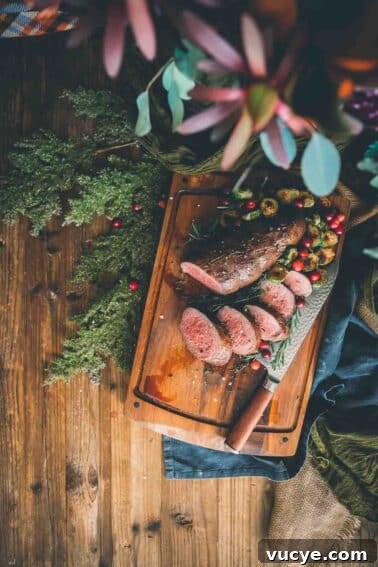
Beef Recipes
Sous Vide Beef Tenderloin
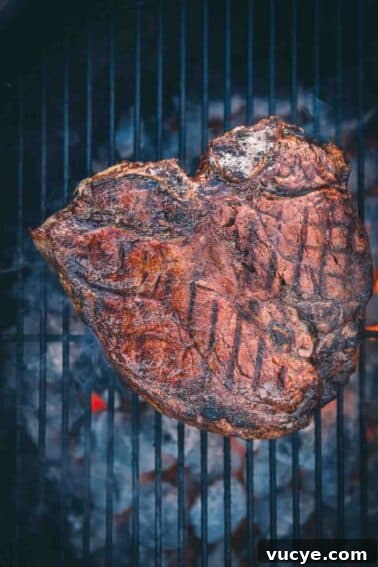
Beef Recipes
Grilled Porterhouse Steak
Choice Beef
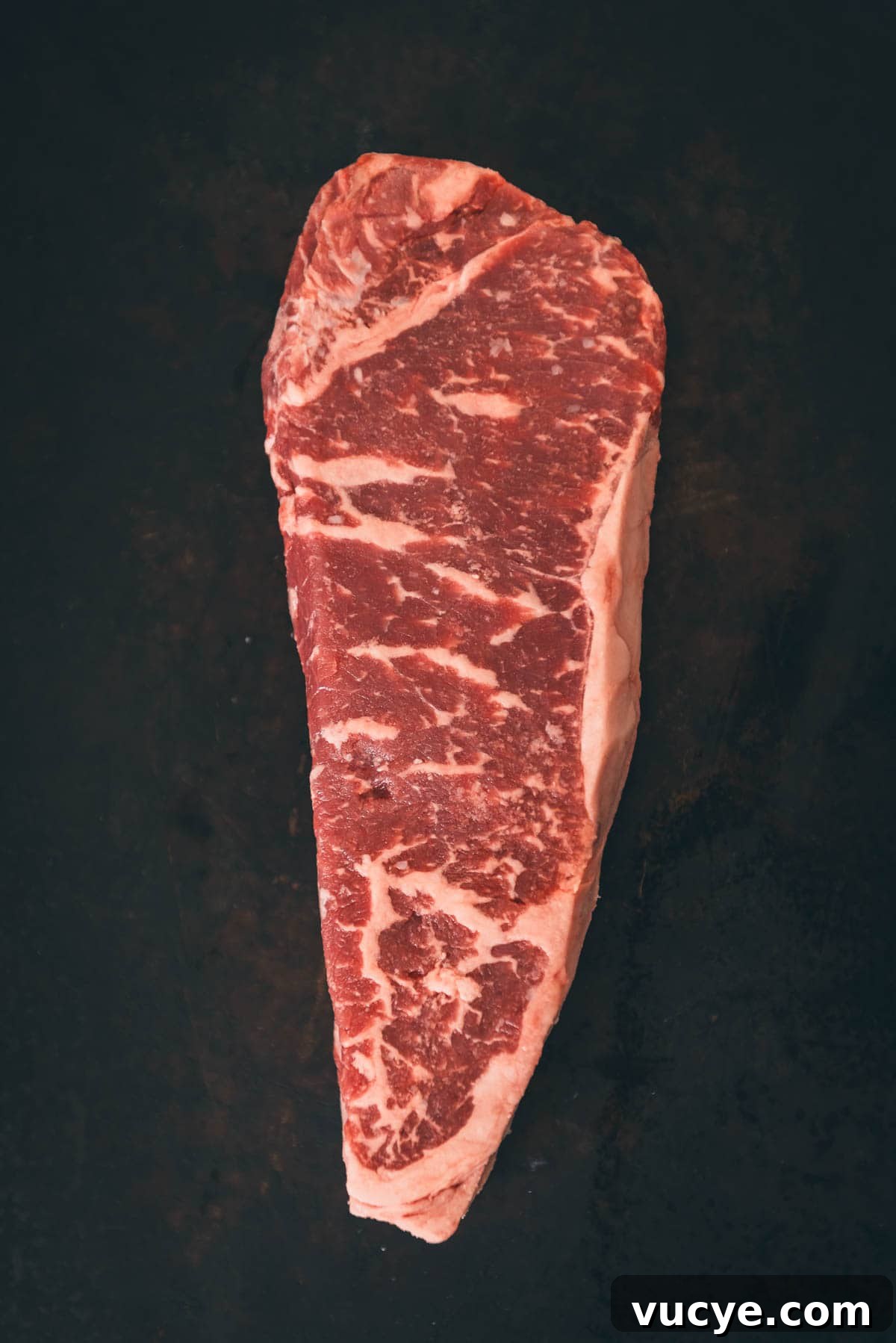
USDA Choice sits just below Prime in quality. It still offers good marbling, bright color, and a pleasant texture, making it a versatile and popular option for everyday cooking. Choice is widely available and performs well with a variety of techniques, from quick searing to slower braises.
Availability and Pricing of Choice Beef
Choice beef is commonly stocked in grocery stores and meat markets, offering a balance of quality and value. Priced above Select but below Prime, Choice is a practical option for home cooks who want good flavor and tenderness without premium cost.
Pro tip: If local options are limited, you can source Choice cuts from reputable suppliers to get consistent quality and specific cuts you prefer.
Choice Beef Cooking Tips
- Marinating: A marinade brightens flavor and can improve tenderness—ideal for slightly leaner Choice cuts.
- Slow cooking: Braising or stewing transforms tougher Choice cuts into tender, flavorful dishes as the connective tissue breaks down.
- Lower roasting temperatures: Roasting at a slightly lower temperature helps preserve juiciness in Choice roasts.
- Adding fat: Finish with compound butter or a flavorful sauce to simulate the richness associated with higher marbling.
- Pan-searing: High-heat searing locks in juices and creates an appealing crust on Choice steaks.
Our favorite recipes that can turn a Choice cut into a Masterpiece
Beef Recipes
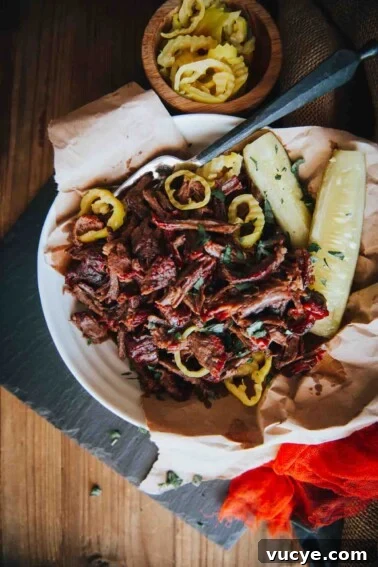
Smoked Chuck Roast
Beef Recipes
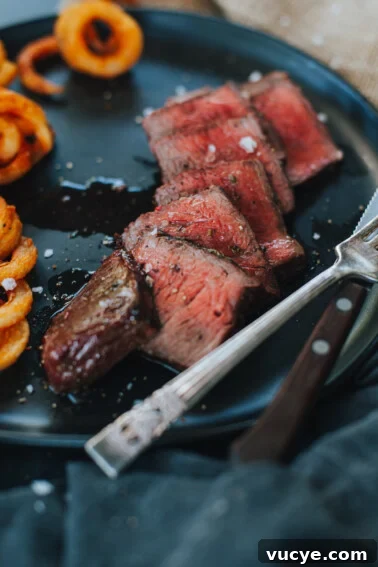
How to Grill Top Sirloin Steak Perfectly (Every Time)
Beef Recipes
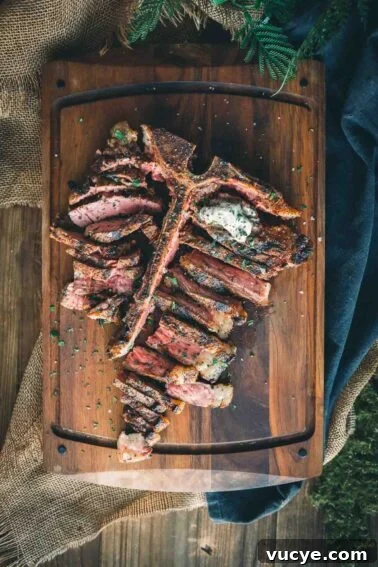
Grilled T-bone Steak
Beef Recipes
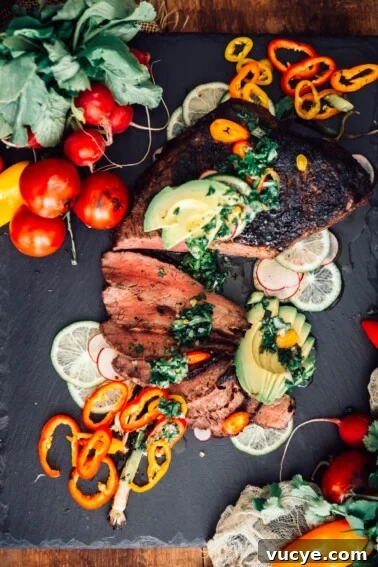
Easy Grilled Tri-Tip
Maximizing Flavor and Tenderness
- Seasoning: Simple salt and pepper or an overnight dry brine highlight the natural beef flavor and help form an excellent crust on both Prime and Choice cuts.
- Resting time: Rest cooked beef before slicing so juices redistribute and the meat remains tender. A pat of compound butter as it rests adds richness and umami.
- Quality ingredients: Fresh herbs, good olive oil, and aromatics like garlic and rosemary enhance any beef dish regardless of grade.
Differences in Cooking Times and Techniques
- Prime: Higher marbling can cause Prime to cook faster; monitor internal temperature and aim for a shorter cook to preserve juiciness.
- Choice: Choice may benefit from slightly longer cook times for tougher cuts or slow-cooking methods that break down connective tissue and build flavor.
Personal Preferences and Budget
Your choice between Prime and Choice should reflect what you value most: the richest possible eating experience or the best balance of quality and cost. Prime is ideal for special meals; Choice is excellent for frequent use and versatile cooking.
Budget
Prime typically costs more because of its rarity and higher marbling. If you’re celebrating or want the ultimate steak, Prime is worth it. For everyday meals, Choice offers strong value without sacrificing much flavor.
Cooking Style
Consider how you cook most often. If you sear and grill regularly, Prime’s extra fat can make a noticeable difference. If you cook with marinades, braises, or prefer to stretch your budget, Choice will serve you well while still delivering satisfying results.
More helpful How-to’s
How To
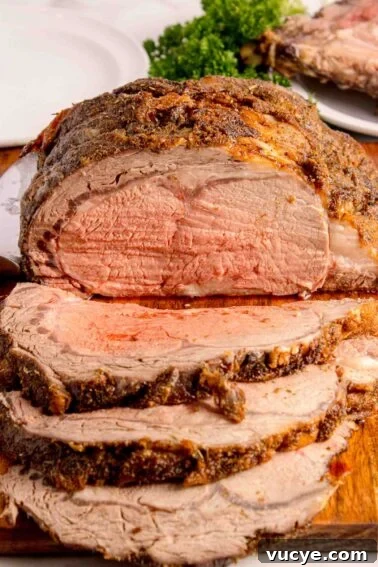
How to Carve a Bone-In Prime Rib (Step-by-Step Guide)
Meat Labs
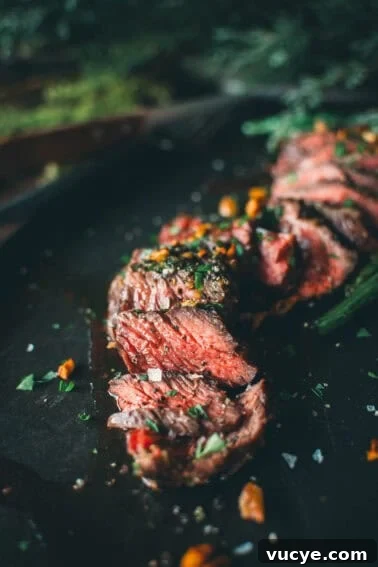
Pro-Approved Beef Cuts You’re Not Grilling Yet
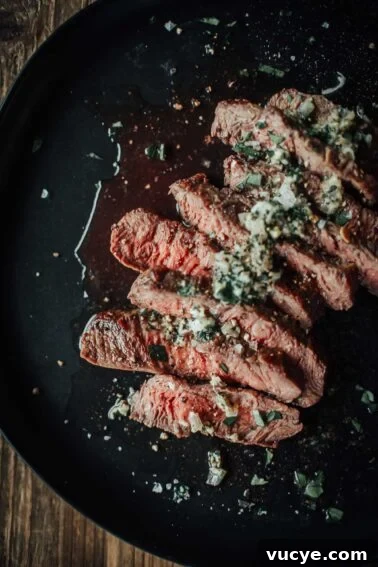
Meat Labs
Steakhouse Secrets to Steal
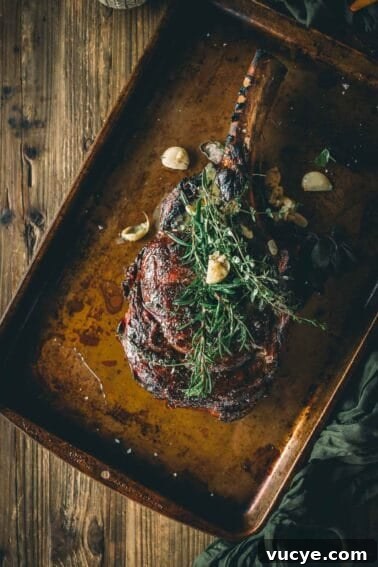
Meat Labs
Pro Tips for Cooking a Perfect Steak
High-quality beef doesn’t have to be confusing. By recognizing the differences between Prime and Choice—mainly marbling, availability, and price—you can choose the right cut for your meal and budget. Try both grades with different cooking methods to discover what you prefer, and use simple techniques like proper seasoning, temperature control, and resting to get the best results from every cut.