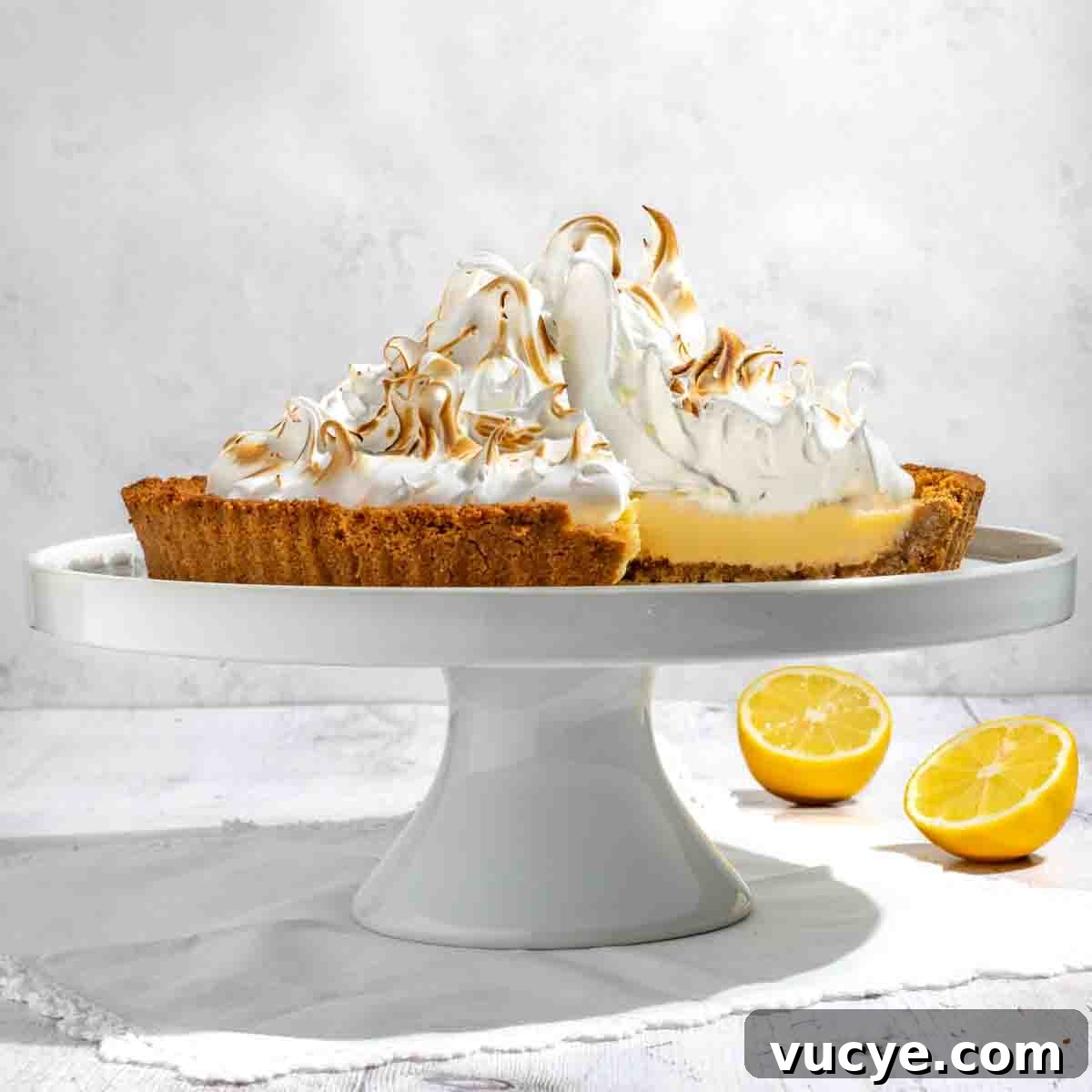
Allow a little bias: this is our favourite easy biscuit-base lemon meringue pie. No-fuss, no pastry drama — no mixing, chilling or blind-baking a shortcrust. Instead, a quick no-bake biscuit base gives you a delicious start to a showstopping dessert.
For a creamier filling we use condensed milk rather than a traditional lemon curd that requires careful stovetop work with yolks and flour. It’s a simple mix, oven finish and you’re on your way.
The topping is Swiss meringue: fluffy, marshmallow-like and far less prone to weeping and beading than some baked or raw-egg meringues. The lemon balance here is mild and crowd-pleasing — bright but not overly tart.
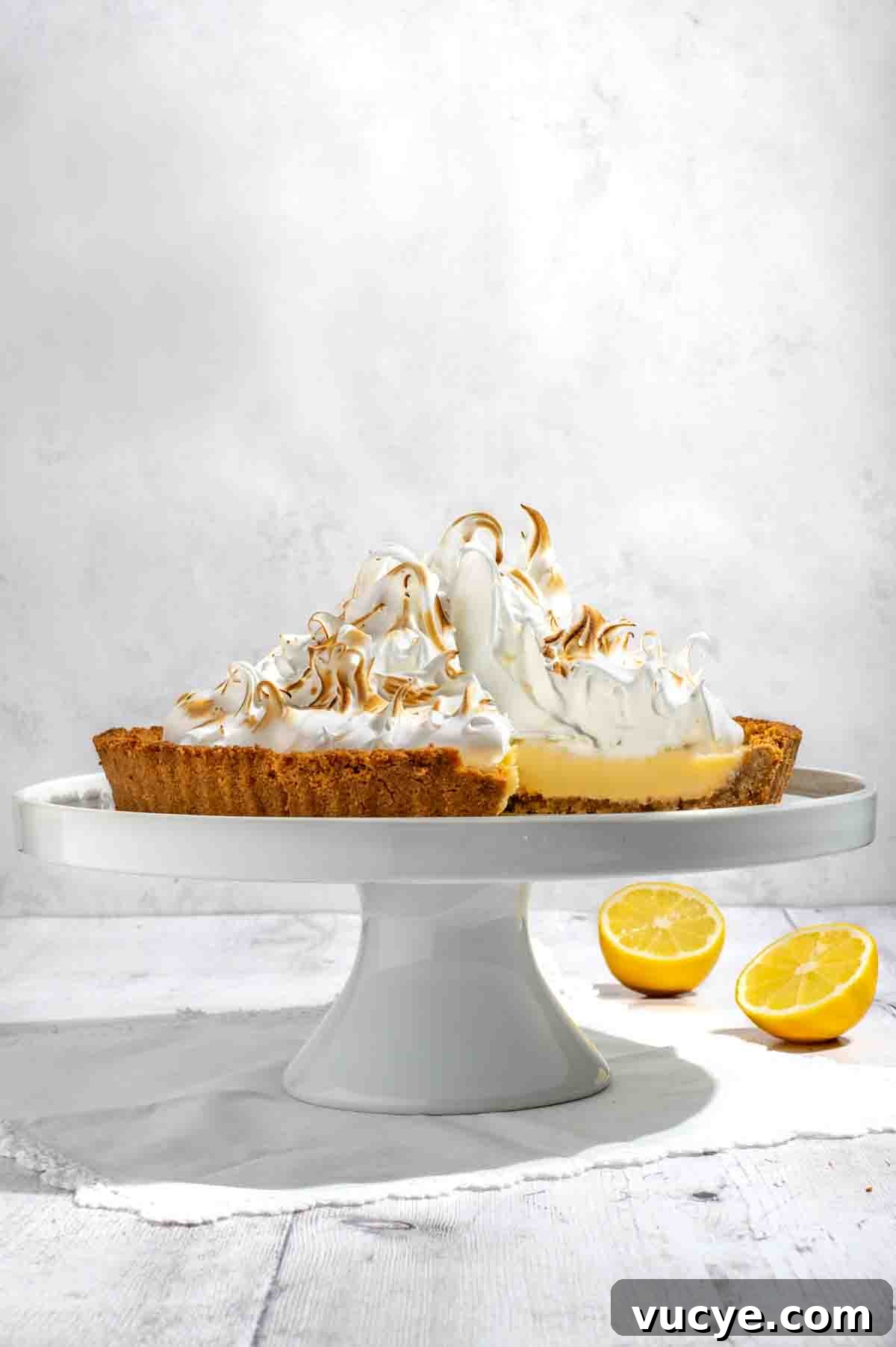
What’s to love about this recipe
- Effortless, buttery biscuit base — no baking hassles.
- The condensed milk filling gives a velvety, creamier texture than typical lemon-curd-style fillings.
- Swiss meringue tops the pie for a glossy, stable finish without raw egg concerns or excessive weeping.
- A balanced lemon flavour that appeals to many palates.
Key ingredient notes and substitutions
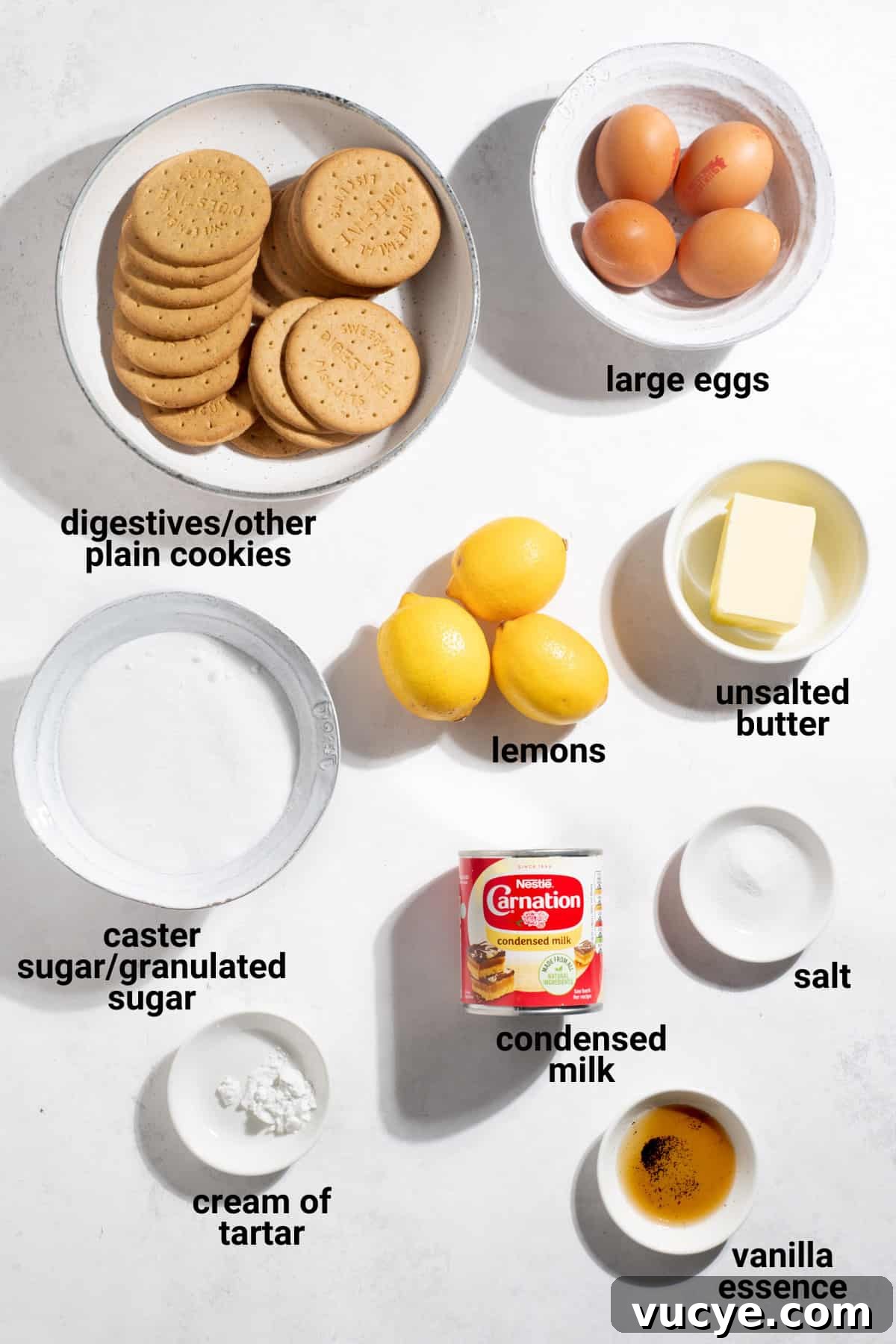
See the recipe card at the bottom for the full ingredient list.
The biscuits
Any plain biscuits work well: digestives, Graham crackers or Marie biscuits. For different textures and flavours try buttery Scottish shortbread or ginger nut biscuits.
Lemons
You need about 120ml (½ US cup) freshly squeezed lemon juice — roughly 3–4 medium lemons depending on size — and the zest of one lemon (about a heaped, loosely packed teaspoon). Use fresh lemon juice for the best bright flavour.
Condensed milk
Condensed milk keeps the filling simple and luxuriously creamy. Canned sizes vary slightly by region; a 397–400g can is what we use. Small differences in weight won’t significantly affect the outcome.
Eggs
You’ll need four large eggs, separated. Make sure no yolk gets into the whites if you plan to make the meringue.
Caster sugar
Caster (superfine) sugar dissolves fastest into Swiss meringue. Granulated sugar will work but may take slightly longer to dissolve.
Cream of tartar
Half a teaspoon stabilises the meringue, helping it keep volume and a glossy texture by improving protein bonding.
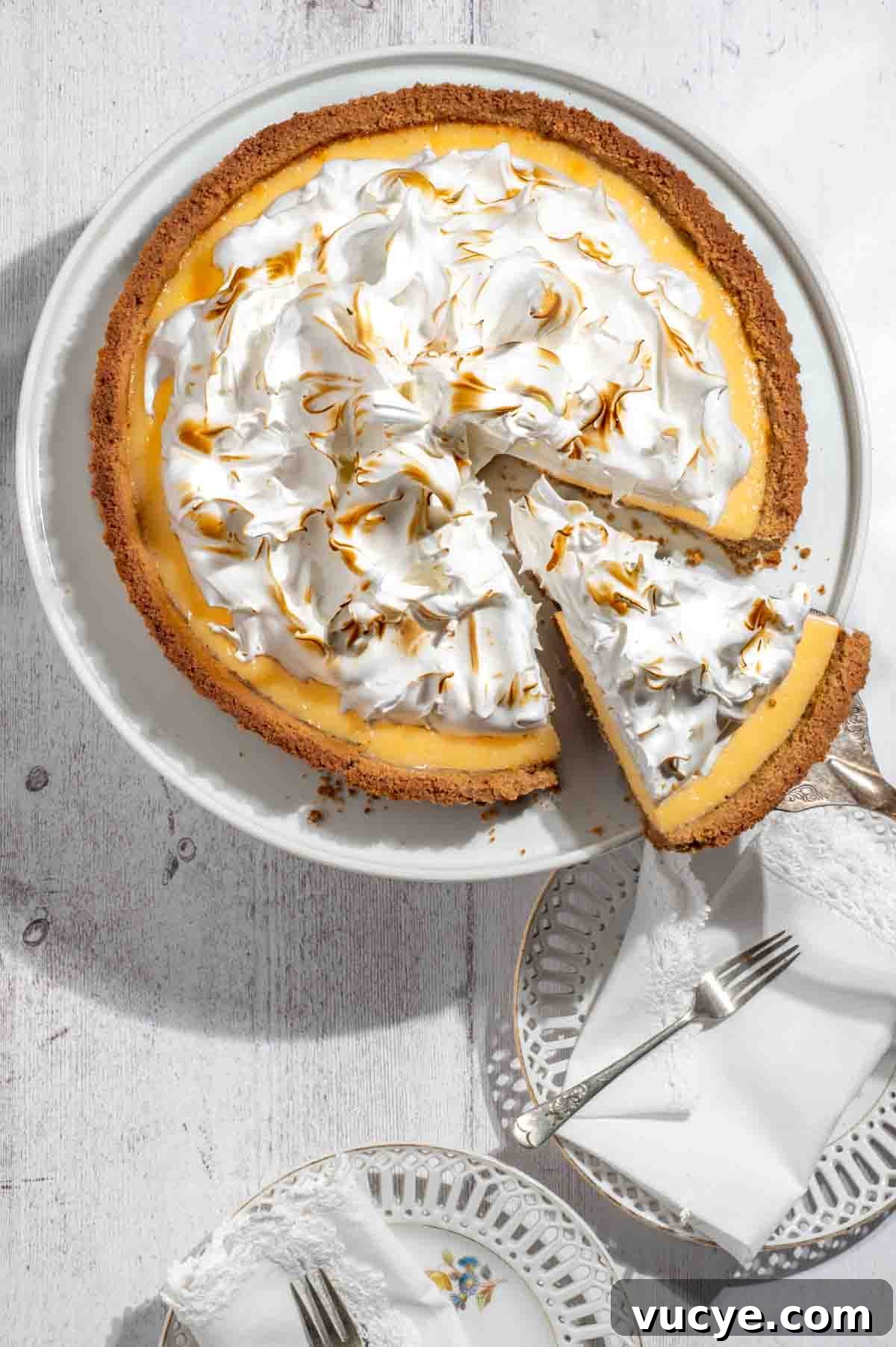
Step-by-step instructions
- Preheat the oven to 180C/350F.
Make the biscuit base
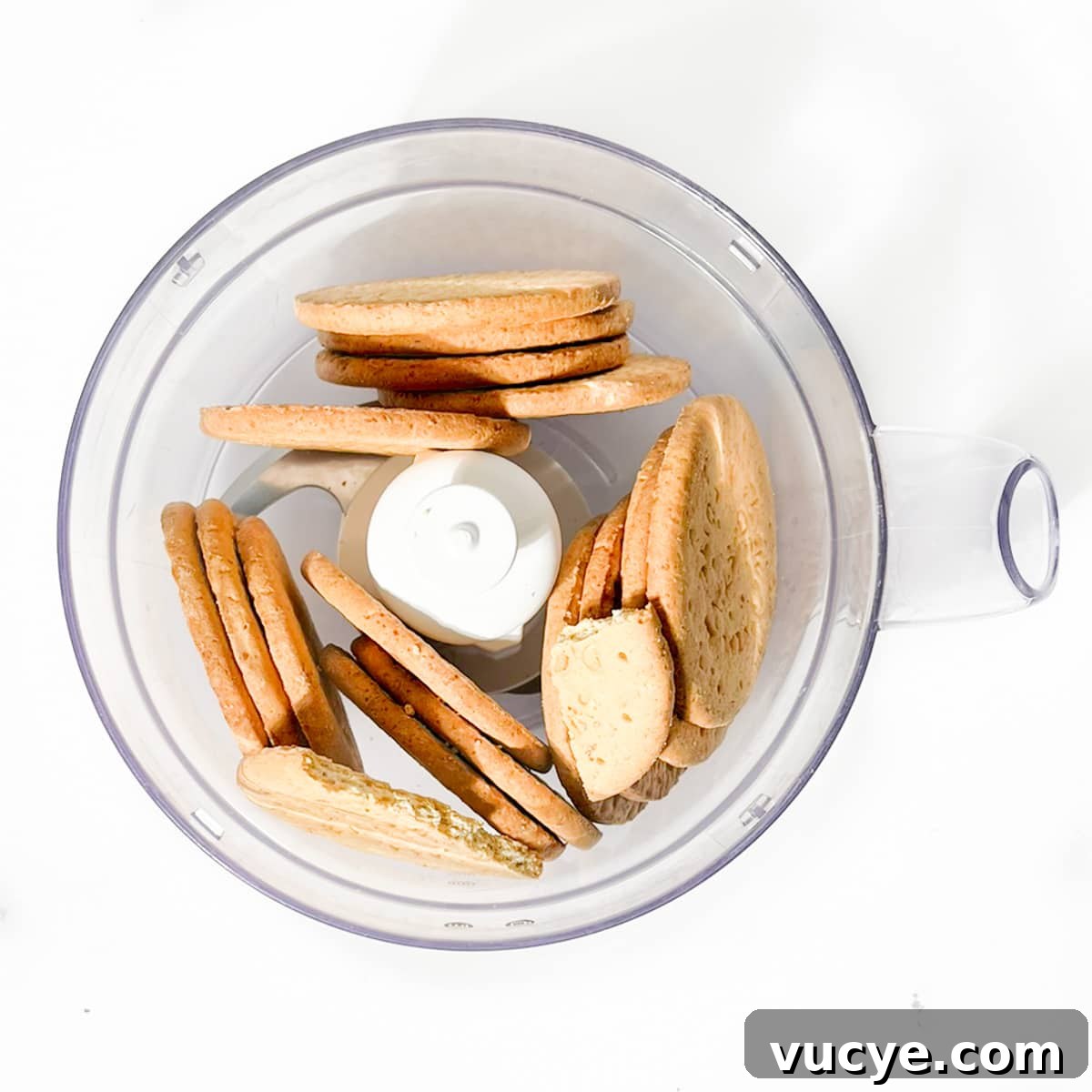
- Pulse 250g plain biscuits in a food processor until fine crumbs form. Alternatively, place them in a sealed bag and crush with a rolling pin.
- Melt 100g unsalted butter and mix it into the crumbs until evenly coated.
- Press the crumb mixture into a 23cm/9″ tart tin or pie dish, compacting the base and sides with the back of a spoon or the bottom of a glass.
- Chill the prepared base in the fridge while you make the filling.
Make the lemon filling
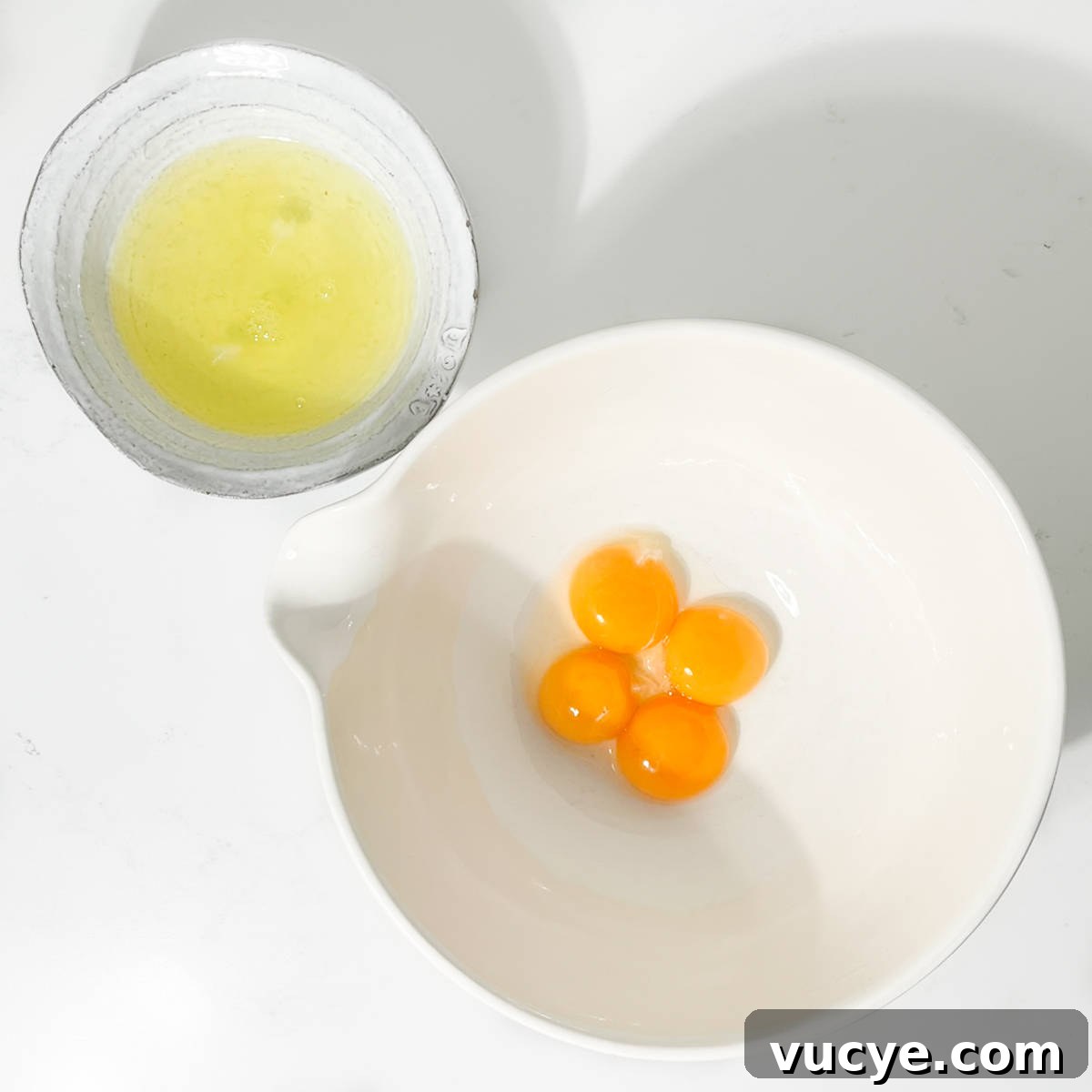
- Separate the eggs, keeping whites free from yolk.
- In a large bowl whisk together 4 egg yolks, 400g condensed milk, 120ml fresh lemon juice and the zest of one lemon until combined (about 1–2 minutes). The mixture will thicken slightly.
- Pour the lemon filling into the chilled base and level by tilting the tin gently.
- Bake for 20–25 minutes, until the edges are set and the centre has only a slight wobble. Avoid underbaking so the filling sets properly.
- Cool the pie, then refrigerate to chill and fully set for at least 4–6 hours or overnight.
Make the Swiss meringue topping
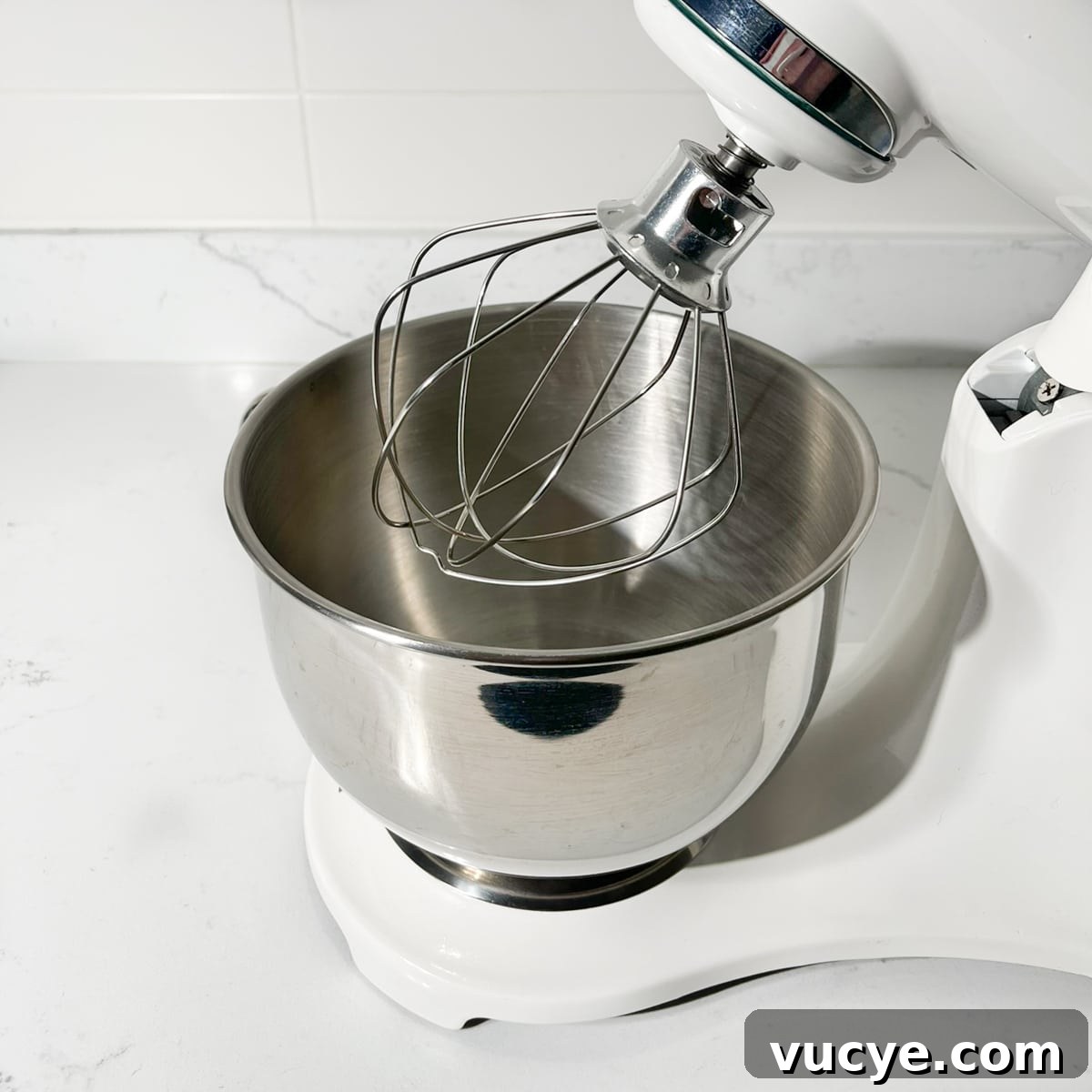
- Set a whisk on a stand mixer or prepare an electric hand mixer.
- Bring a saucepan with about 5cm/2″ of water to a simmer and set a heatproof bowl over it (bowl must not touch the water) to create a bain-marie.
- Combine 4 egg whites and 220g caster sugar in the bowl. Whisk continuously over medium heat until the sugar fully dissolves and the mixture is foamy. This usually takes about 5 minutes. Test by rubbing a small amount between fingertips — it should feel smooth — or check for 71C/160F with a thermometer.
- Transfer the warm mixture to a grease-free bowl and beat on medium-high speed for 1–1½ minutes until it gains volume. Add ½ teaspoon cream of tartar, 1 teaspoon vanilla and ¼ teaspoon salt, then continue beating until glossy, stiff peaks form (about 3–4 minutes with a stand mixer).
- Allow the meringue to cool for about 10 minutes if still warm, then spoon or pipe generous clouds over the chilled pie.
- Carefully caramelise the meringue tips with a kitchen blow torch or briefly place under a hot broiler, keeping a very close eye to avoid burning.
Variations
- Swap lemon juice and zest for lime for a lime meringue version.
- Use Scottish shortbread or ginger nut biscuits for a different base flavour.
- Stir a spoonful or two of desiccated coconut into the crumbs and add a touch more butter to bind.
- Garnish with mint leaves or a dusting of lemon zest.
- Drizzle passionfruit puree over the meringue for extra tropical tang.
- Use Italian meringue instead of Swiss if you prefer.
Serving Suggestions
- Serve the pie well chilled for the best texture and clean slices.
- Offer a dollop of whipped cream or a light dusting of powdered sugar for presentation.
- Finish with extra lemon zest for brightness.
Storage and Freezing
Storage
Store the assembled pie in the fridge, covered, for 2–3 days. The meringue may soften and develop some weeping over time; this affects appearance more than taste, so serve freshly made when possible.
Freezing
Freeze the pie without the meringue topping. Wrap tightly in plastic wrap and aluminium foil; freeze up to 2–3 months. Thaw in the fridge, then prepare a fresh meringue to top before serving.
More desserts using condensed milk
Rice pudding with condensed milk
Easy marshmallow tart
Apple crumble tart
Peppermint crisp tart
Quick cassata ice cream
Dark chocolate no-churn ice cream
Recipe

Biscuit Base Lemon Meringue Pie
Equipment
-
1 23cm/9″ pie dish or fluted tart tin
-
1 saucepan
-
1 heatproof bowl for bain-marie
Ingredients
For the base
- 250 grams (9 oz) plain biscuits (digestives/Graham crackers)
- 100 grams unsalted butter, melted
For the filling
- 4 egg yolks (large, room temperature)
- 400 grams condensed milk
- 120 millilitre fresh lemon juice (½ US cup)
- zest from one lemon
For the meringue topping
- 220 grams caster (superfine) sugar
- 4 egg whites (large, room temperature)
- ½ teaspoon cream of tartar
- 1 teaspoon vanilla extract
- ¼ teaspoon salt (or a good pinch)
Instructions
-
Preheat oven to 180C/350F.
Making the biscuit base
-
Pulse 250g biscuits to fine crumbs or crush in a sealed bag.
-
Stir melted butter into the crumbs until combined, then press into a 23cm/9″ tin and chill.
Making the lemon filling
-
Separate eggs, ensuring whites remain yolk-free.
-
Whisk 4 yolks, 400g condensed milk, 120ml lemon juice and zest until combined (1–2 minutes).
-
Pour filling into the base and bake 20–25 minutes until mostly set. Cool and chill 4–6 hours or overnight.
Making the Swiss meringue
-
Whisk 4 egg whites with 220g caster sugar over a bain-marie until sugar dissolves (about 5 minutes or until 71C/160F).
-
Beat the warm mixture in a grease-free bowl until it gains volume. Add ½ tsp cream of tartar, 1 tsp vanilla and ¼ tsp salt, then beat to glossy stiff peaks (3–4 minutes with a stand mixer).
-
Cool meringue slightly, then spoon or pipe onto the chilled pie and carefully caramelise the surface with a torch or brief broil.
Nutritional data disclaimer
Nutritional information is an estimate provided by a third party and may vary with brands and portion sizes. For personalised dietary advice consult a qualified professional.
Nutrition
For food safety advice, including guidance on food allergies, consult your local food safety authority.