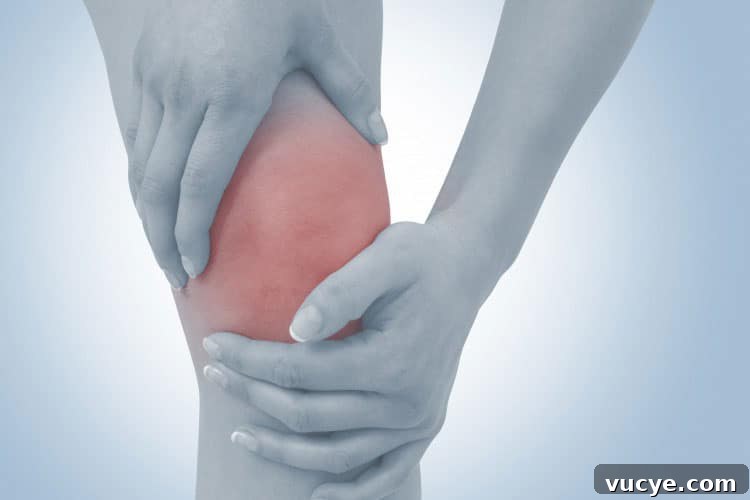
Injuries are a frequent concern for anyone active in sports or following an exercise program aimed at weight loss. They can result from overuse, accidents, or improper technique. When a sport-related injury occurs, the priority is effective recovery. Traditional therapies often concentrate on the specific muscle or joint that was damaged, treating the injury locally. Increasingly, however, practitioners advocate a broader approach called Muscle Activation Therapy (MAT). Rather than focusing solely on the injured site, MAT identifies nearby muscles and connective tissues that are weak and unable to provide adequate support, then works to restore their strength and coordination.
The principle behind Muscle Activation Therapy is that the body is an integrated system: muscles and connective tissues must function together to maintain safe and efficient movement. When one muscle group is weak or inhibited, surrounding tissues can become overburdened and more prone to injury. MAT aims to locate these underperforming muscles and improve their activation, strength, and flexibility. By enhancing the capacity of surrounding structures, the injured area receives better support, which can speed healing and lower the risk of reinjury.
While some debate remains about whether MAT should be the sole modality for injury treatment, many patients report significant improvements after receiving it. Whether used alongside other interventions or as part of a broader rehabilitation plan, Muscle Activation Therapy can relieve pain and improve function for a wide range of muscle and joint conditions. This outcome aligns with the concept of treating the body as a coordinated unit rather than a collection of isolated parts. Rather than addressing only localized pain, tightness, or limited mobility, MAT works to optimize the health and performance of the entire musculoskeletal system so each component can function more safely and effectively.
Another advantage of MAT is its ability to reduce chronic tightness, stiffness, and mobility limitations that often follow serious or long-standing injuries. By strengthening complementary muscle groups and restoring balanced movement patterns, the therapy decreases the compensatory strain placed on the injured area. This reduction in compensatory load helps the affected body part return to normal function and supports continued improvement over time.
In practical terms, a Muscle Activation Therapy program typically begins with a comprehensive assessment to identify weak or inhibited muscles. Treatment often combines hands-on techniques, neuromuscular re-education, and targeted exercises designed to restore optimal activation. Progress is measured by increases in strength, range of motion, and reductions in pain or dysfunction. For athletes and active individuals aiming to return to activity or prevent future injuries, MAT can be a valuable component of a well-rounded rehabilitation strategy.
Overall, Muscle Activation Therapy emphasizes rehabilitation through whole-body coordination, aiming to correct underlying weaknesses that contribute to injury. By addressing those root causes and improving the balance of strength and mobility across the body, MAT offers a path toward more durable recovery and better long-term performance.