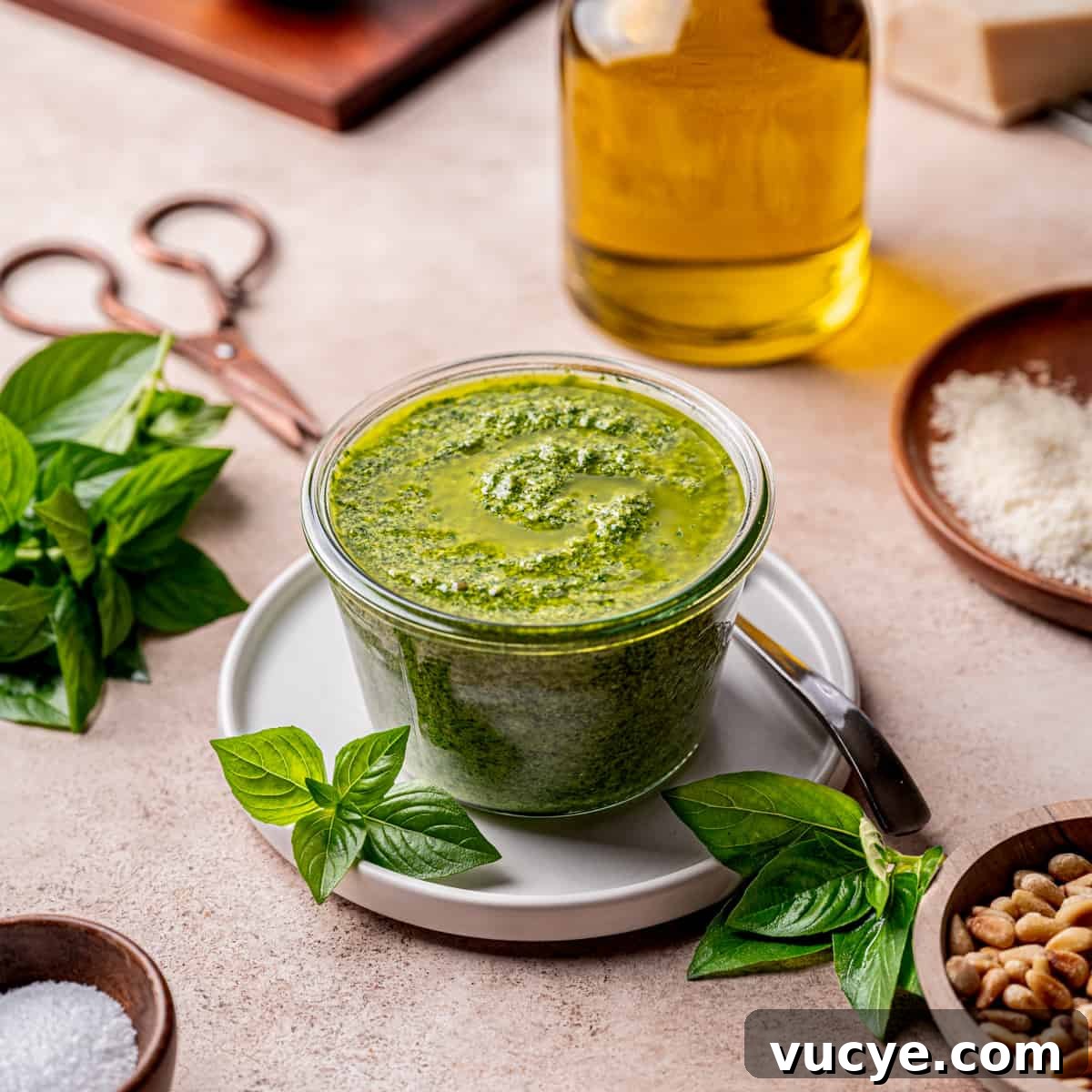
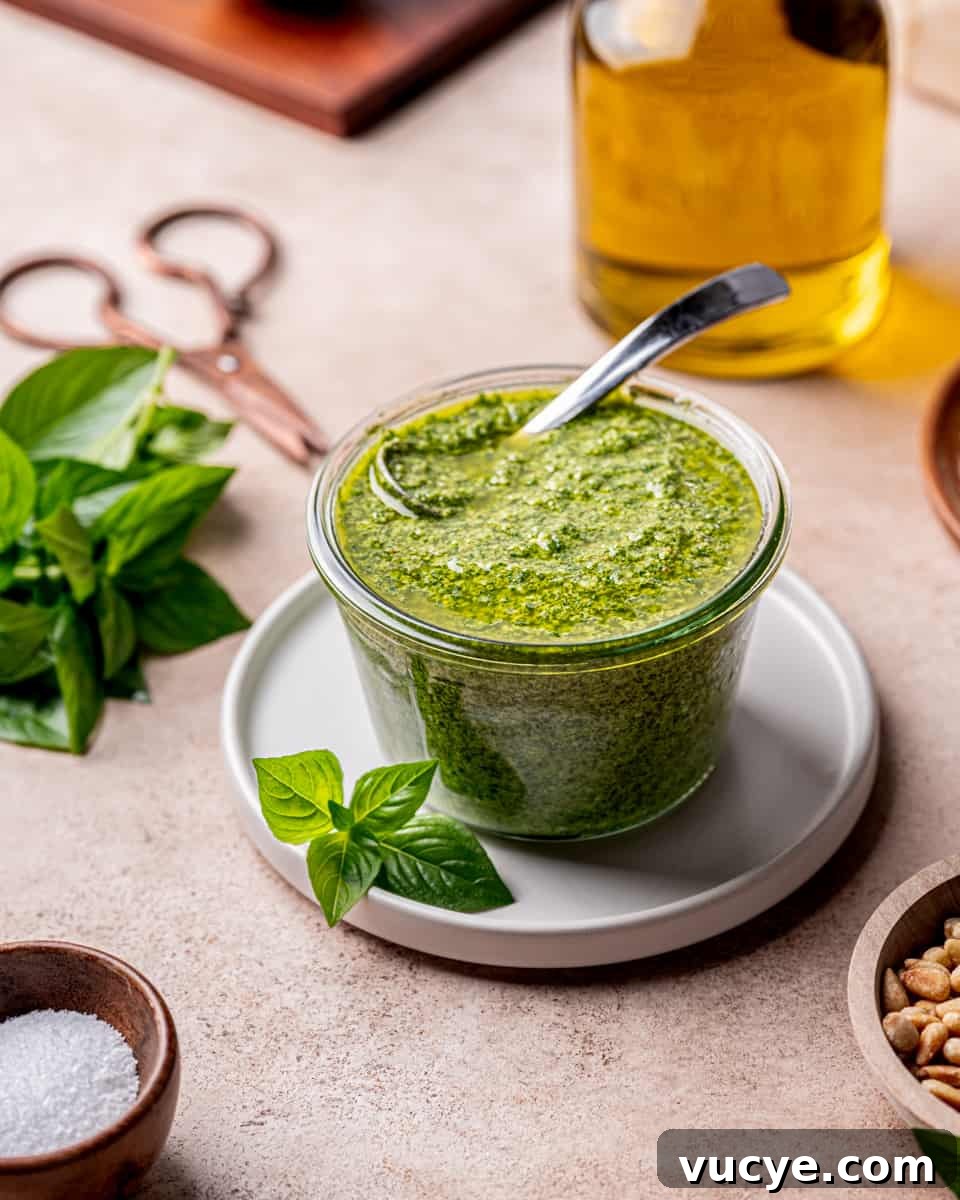
Homemade pesto is the best choice in our book. It’s quick and easy to make and full of flavor — even better when you use basil fresh from the garden. Our basil grows so fast in summer that we often need to make pesto to use up the leaves. There are many variations on basil pesto, but the traditional version remains a classic. We think you’ll enjoy this Quick and Delicious Homemade Basil Pesto Recipe.
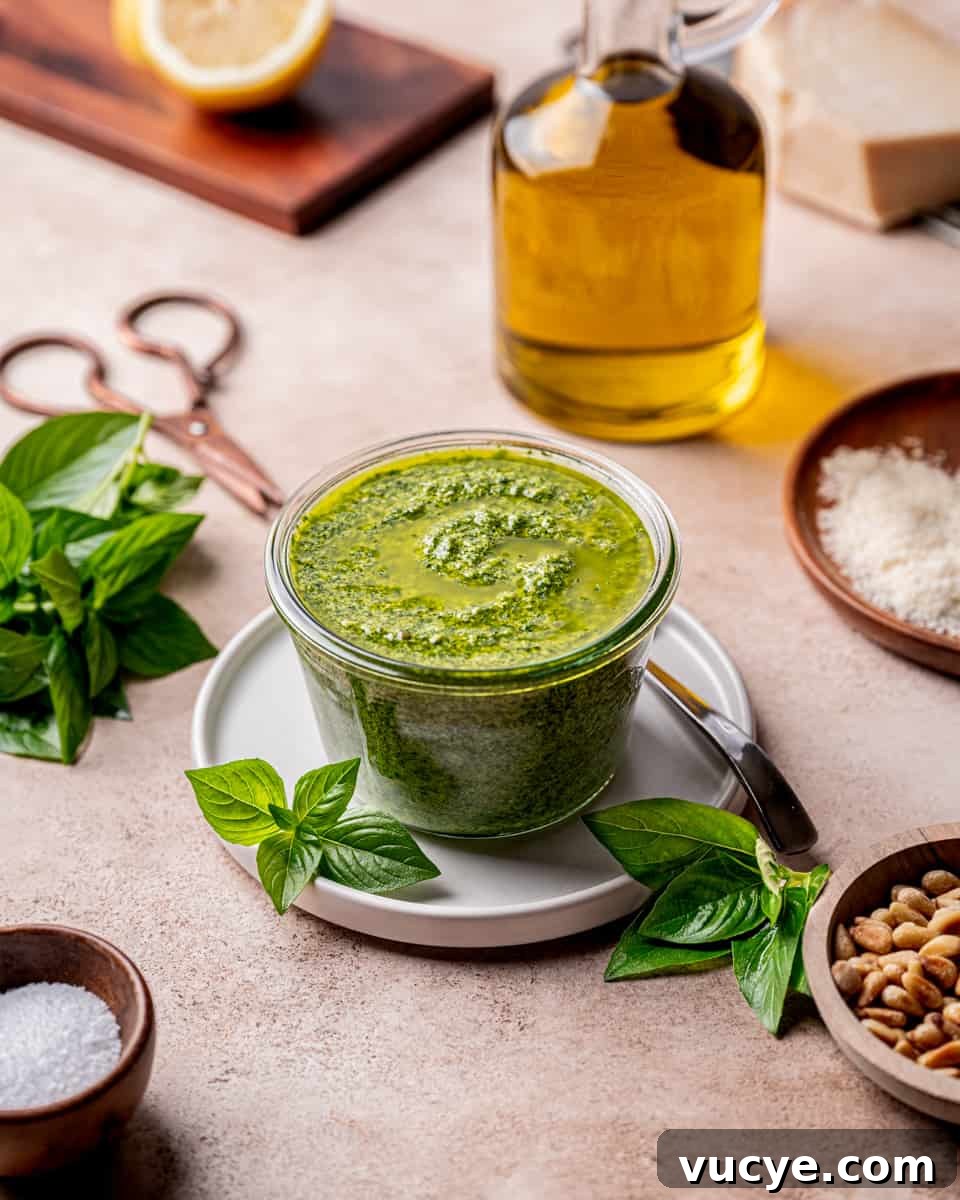
Pesto traces its roots to Genoa on Italy’s west coast, where Pesto alla Genovese became well known. While basil-based pesto became widespread in the 1800s, mixtures of crushed garlic, nuts, and herbs appear in recipes dating back to the Middle Ages and even to Ancient Rome. The word “pesto” comes from the Italian word for “pound,” reflecting the original method of preparing the sauce with a mortar and pestle.
Various hard, grated cheeses are used in different pesto recipes depending on regional availability. We use Parmigiano Reggiano, but alternatives such as Grana Padano or Pecorino Romano also make excellent results.
This basil pesto works beautifully with pasta, on pizza, with seafood or chicken, or as a spread or dip. It pairs especially well with dishes like creamy pesto pasta with seared scallops, goat cheese pesto and asparagus pizza, or Italian sausage, peppers and pesto subs.
Ingredients
Classic basil pesto is made from fresh basil leaves, pine nuts, garlic, extra virgin olive oil, Parmesan cheese, salt, and a touch of lemon juice. The following ingredient list is based on the traditional Pesto alla Genovese, with common ratios that produce a balanced, bright pesto.
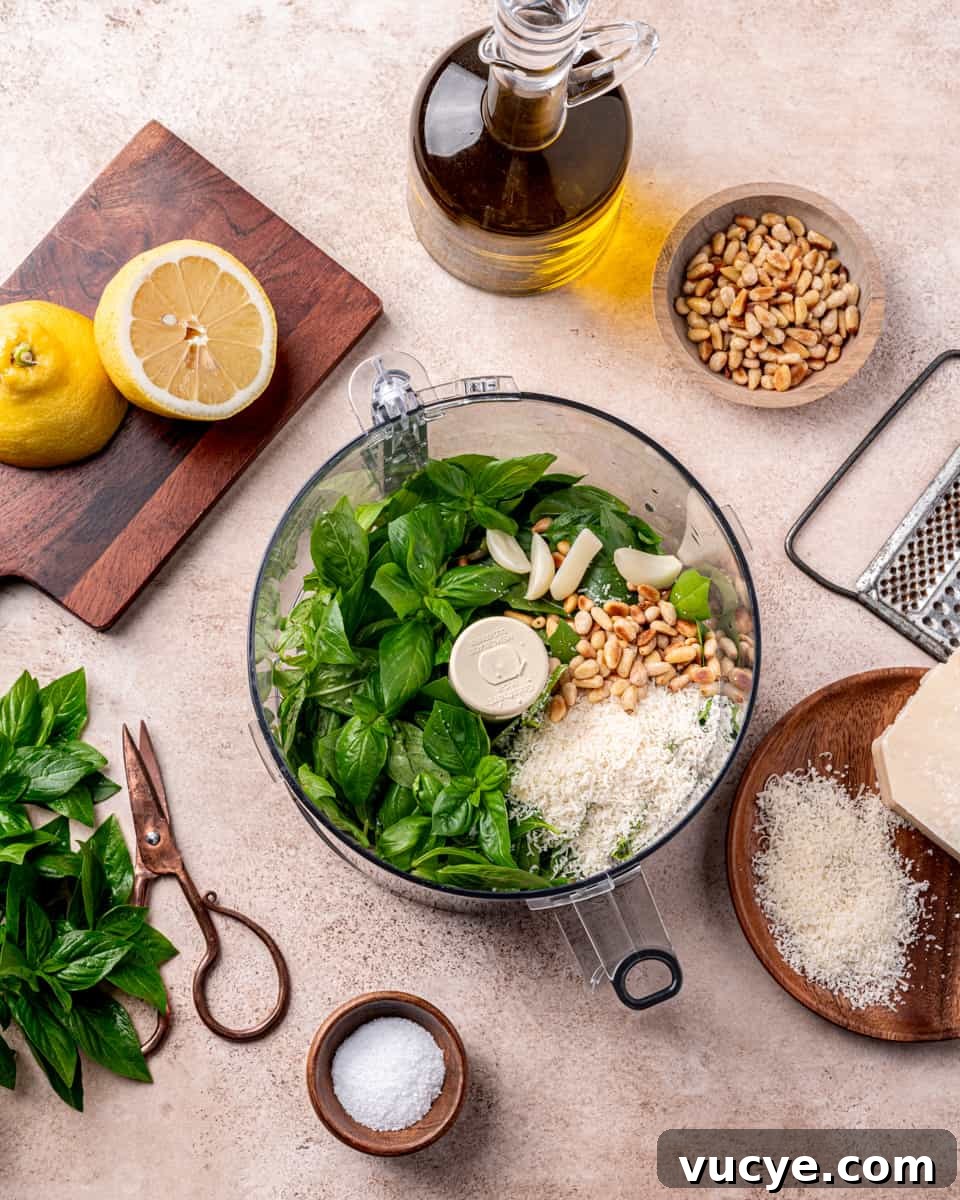
- Basil leaves: Fresh sweet basil (Genovese or Italian basil) is essential.
- Pine nuts: Lightly toasted for deeper flavor.
- Fresh garlic clove
- Extra virgin olive oil: Use a high-quality EVOO for the best flavor.
- Parmesan: Parmigiano Reggiano is ideal, though similar hard cheeses work well.
- Kosher salt: Adjust quantity depending on your salt type; sea salt also works and is traditional in some regions.
- Lemon juice: Optional in classic pesto but brightens the flavor and balances richness.
See recipe card below for exact quantities.
Instructions
Pesto comes together quickly in a food processor. You can use a blender, but it tends to produce a smoother texture; a food processor leaves a bit more body and bite in the sauce. A mortar and pestle is the traditional approach and still produces wonderful results if you prefer manual preparation.
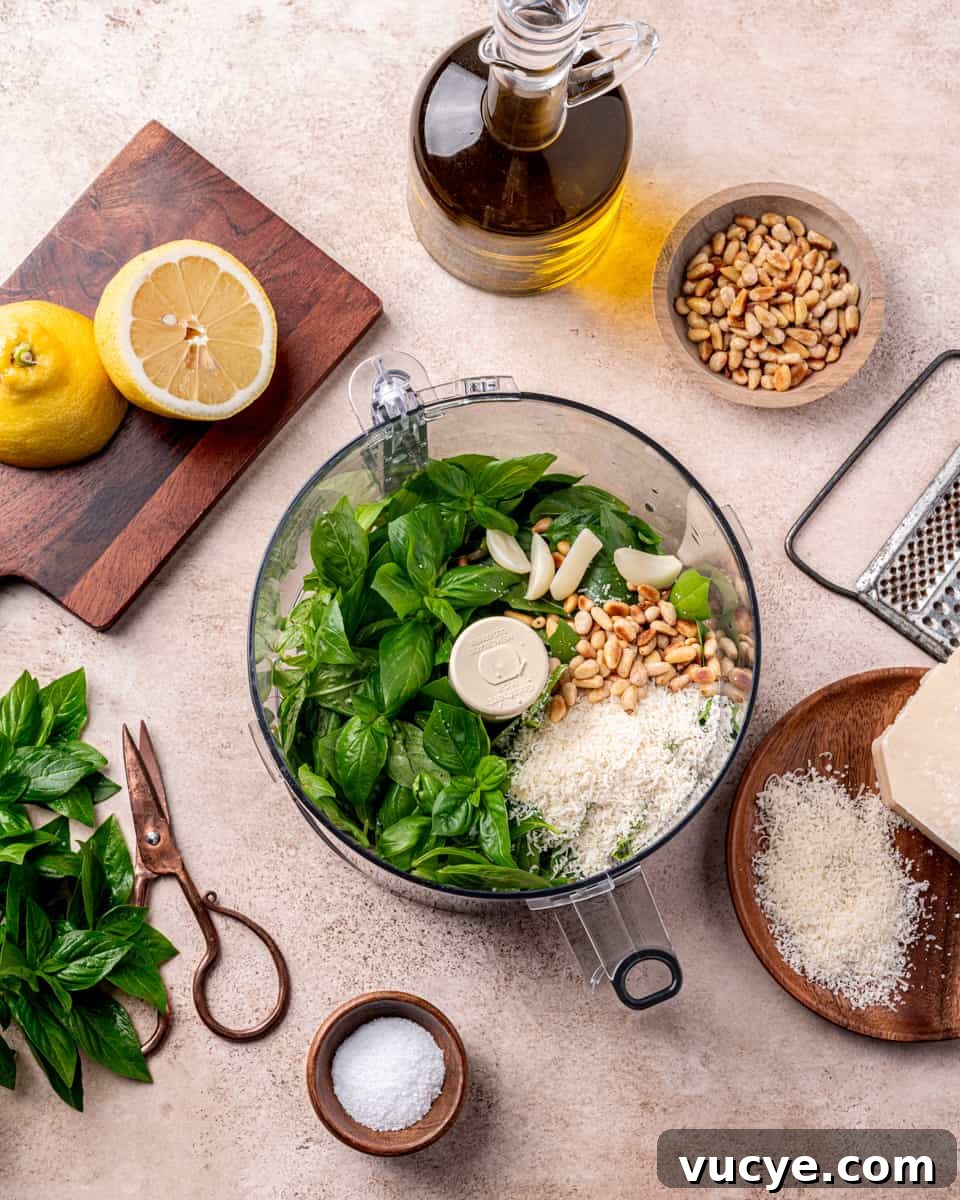
Combine the ingredients in a food processor.
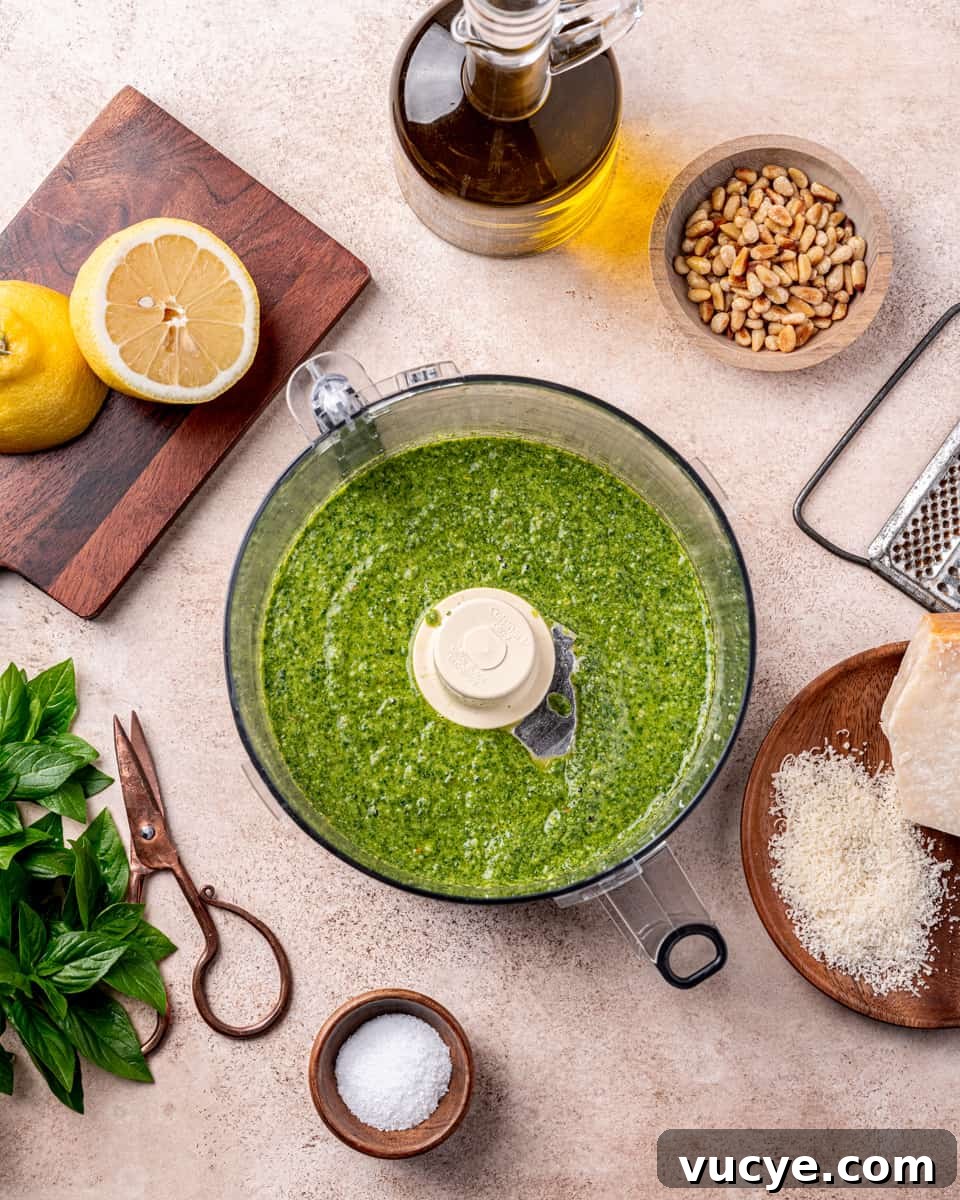
Process until the mixture reaches a uniform, spreadable consistency, scraping the sides as needed.
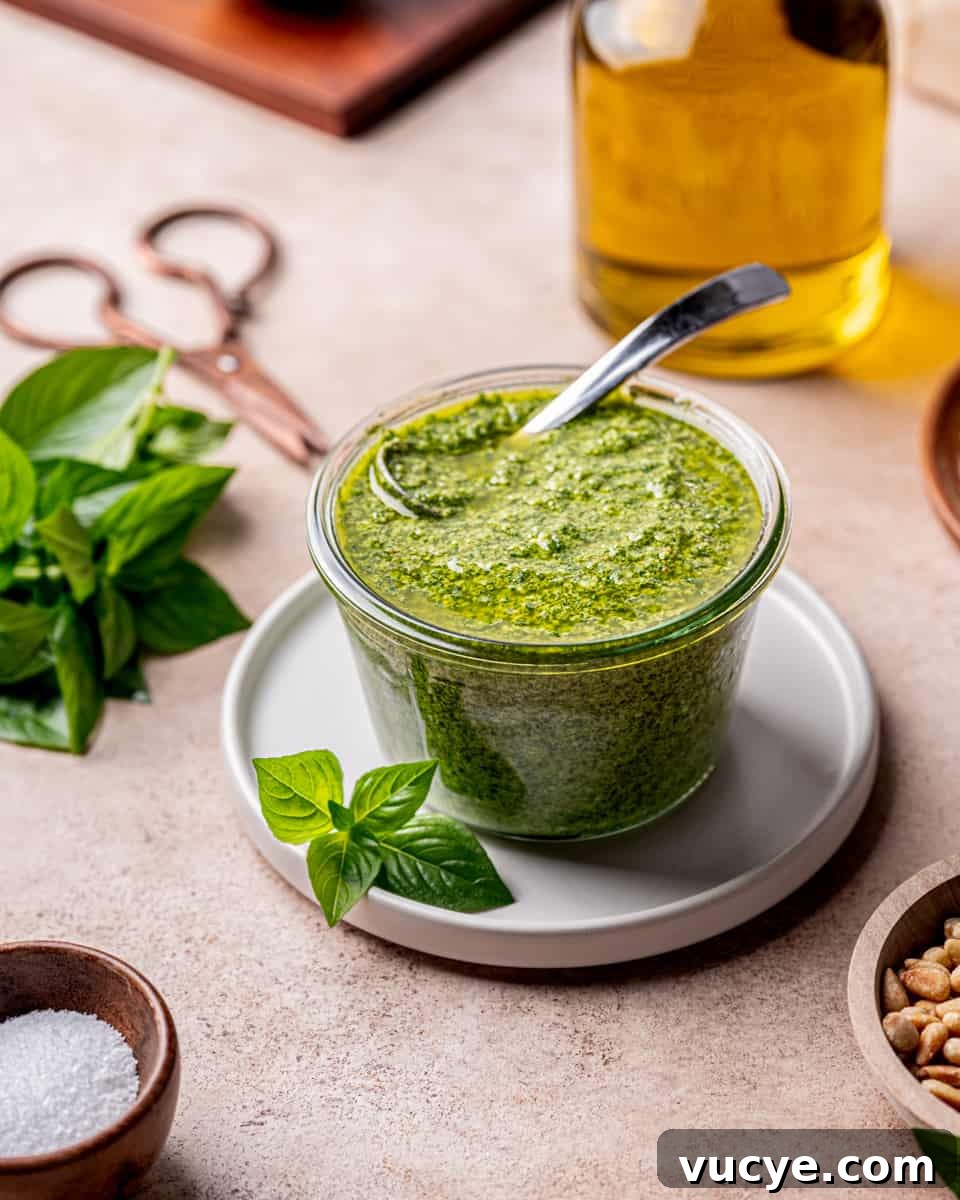
Transfer the pesto to an airtight jar, pour a thin layer of olive oil on top, and refrigerate. Use within about 5 days or freeze for up to 3 months.
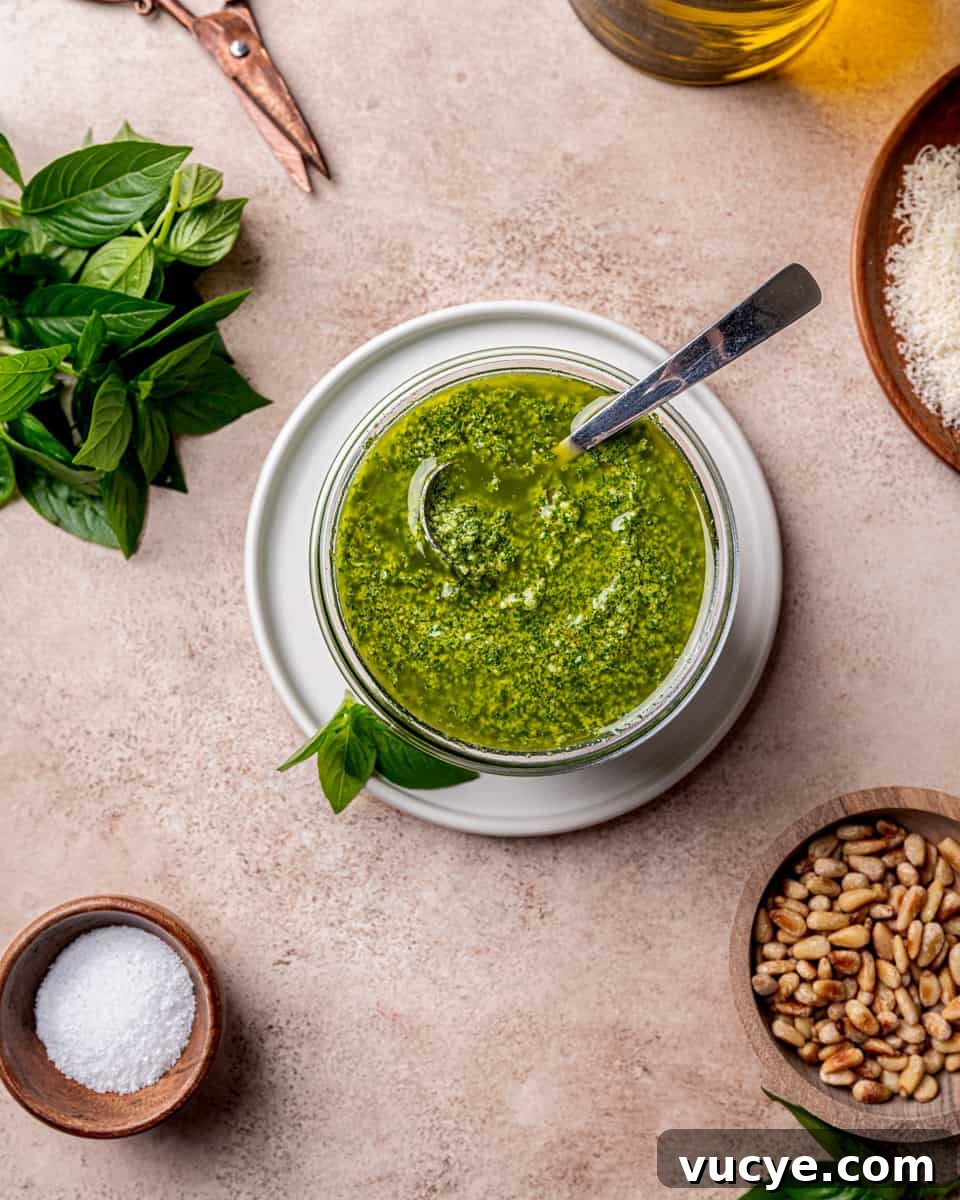
Enjoy pesto with crusty bread, tossed into pasta, spread on pizza, or served alongside roasted vegetables and proteins.
Hint: For a smoother texture, use a blender. For a bit more texture and a fresher bite, use a food processor.
What to Make with Basil Pesto
Pesto is classically served with pasta or gnocchi, but it’s a versatile sauce that enhances many dishes. Use it as a condiment for proteins, a spread for sandwiches, a topping for bruschetta, or a flavorful addition to vegetables like artichokes, peas, green beans, and potatoes.
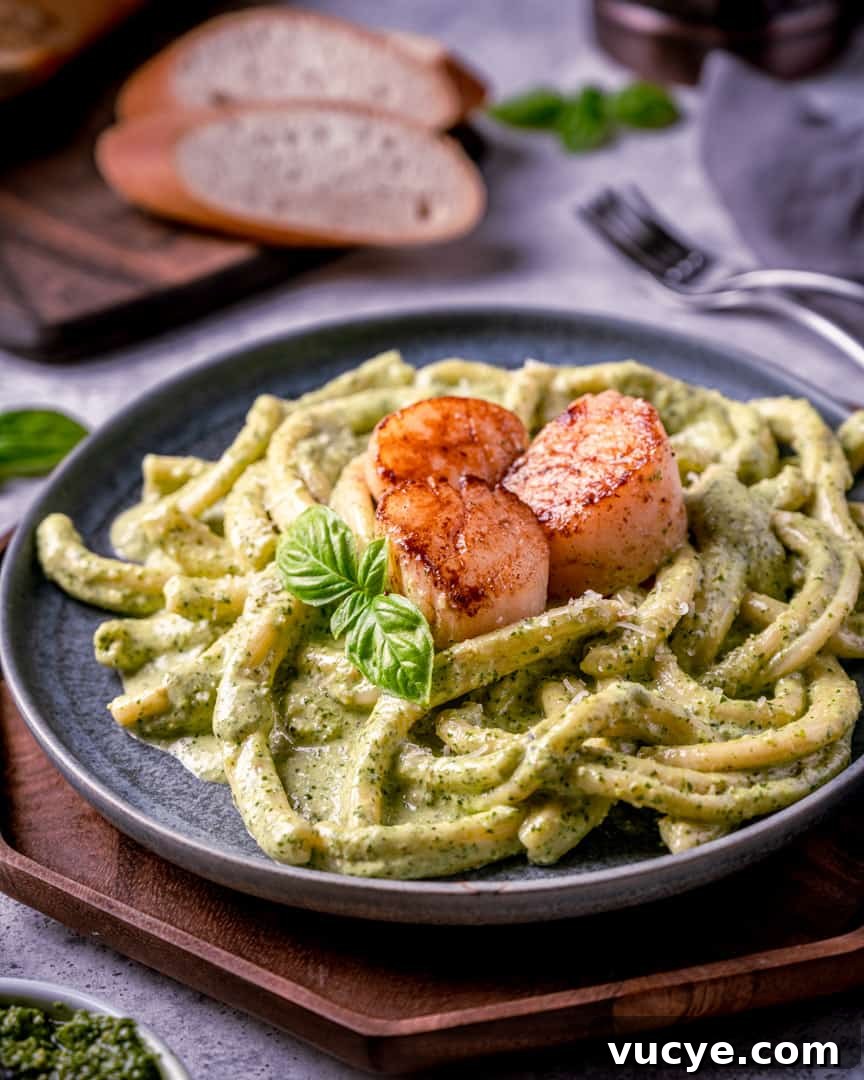
Although traditional pesto is not cooked, it can be used as a base on pizzas in place of tomato sauce for a bright, herbal pie. It also blends well into a simple cream sauce for seafood or chicken pasta dishes.
Substitutions
Pesto adapts easily if you need to swap ingredients:
- Nuts — swap pine nuts for pepitas or sunflower seeds if you need a nut-free option, or use walnuts, pistachios, almonds, or cashews for different flavor profiles.
- Cheese — Grana Padano or Pecorino Romano can stand in for Parmigiano Reggiano, or combine cheeses for a unique taste.
- Vegan — replace the Parmesan with a vegan cheese alternative or omit the cheese altogether for a dairy-free pesto.
Variations
Pesto can be reinvented by changing nuts, greens, or herbs. Try combining basil with arugula or spinach, or substitute parsley, cilantro, mint, or marjoram. Avocado adds creaminess and a nutritious boost.
- Different nuts: pistachios, walnuts, almonds, or seeds like pumpkin and sunflower.
- Alternate greens: arugula, spinach, or mixed herbs for new flavor directions.
- Avocado: Incorporate avocado for a creamier consistency and milder flavor.
Regional variations include pesto rosso from Sicily, which uses tomatoes and almonds, and southern Italian versions that incorporate roasted peppers. In France, a similar sauce called pistou omits nuts and cheese for a looser, saucier finish. A Mexican-style pesto swaps basil for cilantro and pine nuts for pepitas.
Equipment
A food processor is the most convenient tool for making pesto and gives a pleasant texture; a blender will work but produces a smoother result. You can also prepare pesto traditionally with a mortar and pestle if you prefer.
Storage
Store pesto in the refrigerator in a glass jar or airtight container with a thin layer of extra virgin olive oil on top to prevent browning and preserve the flavor. It will keep for about a week refrigerated.
To freeze, portion pesto into ice cube trays and, once frozen, transfer cubes to a zip-top bag. This makes it easy to thaw small amounts as needed; use within six months for best quality.
Top tip
Use your favorite high-quality extra virgin olive oil — it plays a major role in the final flavor. Because pesto is uncooked and made from few ingredients, selecting fresh, flavorful components makes a noticeable difference.
If raw garlic feels too assertive, halve the garlic clove and boil it for 30–60 seconds before using to mellow the sharpness.
FAQ
Yes — homemade basil pesto is simple to prepare and offers a fresh, vibrant flavor that surpasses store-bought jarred versions.
Related
Looking for similar recipes? Try variations that combine pesto with seafood, pasta, or baked dishes for new and delicious meals.
-
Lobster and Shrimp Mac and Cheese (Restaurant Quality)
-
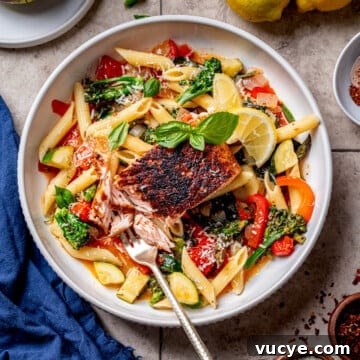
Blackened Salmon Penne Primavera
-
Homemade Butternut Squash Ravioli Recipe
-
Carbone Style Spicy Vodka Pasta with Chicken



Pairing
Pair pesto-forward dishes with bright, refreshing drinks or light cocktails. Popular choices include citrus-forward cocktails or herbaceous gin-based drinks that complement basil’s flavor.
-
Spiced Cranberry Old Fashioned
-
Shimmy Shimmy Coconut Basil Lime Gin Cocktail
-
Spiced Apple Cider Moscow Mule
-
Fig Cardamom Gin Old Fashioned




Enjoy!
We hope you enjoy this Quick and Delicious Homemade Basil Pesto Recipe. If you try it, let us know how it turned out in the comments. If you love the recipe, please leave a rating and share a photo of your dish on social media.
📖 Recipe
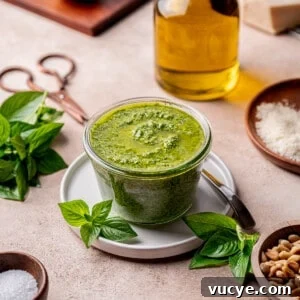
Quick and Delicious Homemade Basil Pesto Recipe
Equipment
- 1 Food processor (or blender)
- 1 Small frying pan (to toast the pine nuts)
Ingredients
- ¼ cup pine nuts
- 1 large garlic clove, halved
- 2 ½ cups fresh basil leaves, lightly packed
- ⅓ cup extra virgin olive oil
- ⅓ cup grated Parmigiano Reggiano
- 1 teaspoon kosher salt
- 1 Tablespoon lemon juice
Instructions
- In a dry pan, toast the pine nuts until they begin to take on color (about 2–3 minutes). Remove and let cool.
- Add all ingredients to a food processor. Pulse and then process for about 10 seconds, scraping the sides as needed, until the mixture reaches a uniform consistency. Taste and adjust salt or lemon juice to preference.
- Transfer the pesto to an airtight glass container and pour a little olive oil on top to prevent browning.
Notes
If you prefer a milder garlic flavor, boil the garlic clove for 30–60 seconds before using. A typical serving of pesto is about ¼ cup per person.
Nutrition
Calories: 245kcal
Food safety
- Thoroughly wash produce before using.
- Do not leave food at room temperature for extended periods.
- Ensure good ventilation when using a gas stove.
- Never leave cooking food unattended.
Follow your local food-safety guidelines for additional recommendations.