
Discover how grinding your own meat at home can transform burgers, meatballs, meatloaf, and even homemade sausage. It’s simple to do and yields superior flavor and texture.

How many times have you bitten into a burger only to be disappointed by a dense texture, bits of gristle, or a lack of that rich, meaty flavor? Whether you’re working with beef, pork, poultry, veal, or even fish, grinding meat at home is an easy fix. Home-ground meat often surpasses store-bought options in freshness, flavor, and texture.
Grinding meat at home? Who has time for that?
At first I assumed grinding meat would be slow and difficult. It couldn’t be further from the truth — once we tried it, we were hooked. There are several practical ways for home cooks to make freshly ground meat:
- Stand Mixer: If you own a stand mixer, you can add a grinder attachment that uses the mixer’s motor. It’s convenient and reliable for small to medium batches.
- Standalone Grinder: For larger or frequent batches, an electric standalone meat grinder is efficient and consistent.
- Hand-crank Grinder: Manual models clamp to a countertop and work well for occasional use without electricity.
- Food Processor: A food processor can chop meat when you’re short on time or equipment. The texture tends to be more chopped than ground, but it’s usable in many recipes.
- Chopping by Hand: If you have good knife skills, you can finely chop meat for a rustic, controlled texture.
What are the benefits of grinding meat at home?
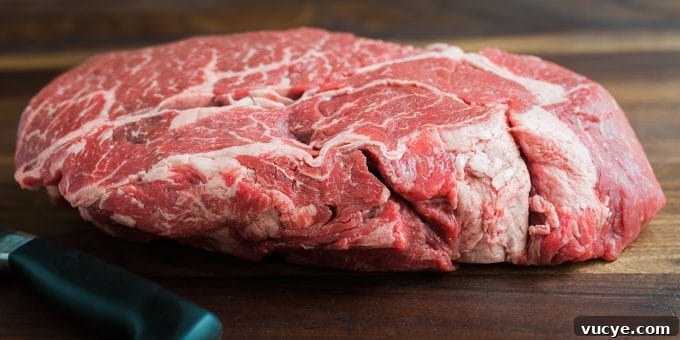
The biggest advantage of grinding your own meat is control. You decide the exact cuts that go into the blend — for beef you might combine chuck, short rib, and brisket for optimal flavor — and you know the meat’s quality. There are no hidden additives, and you can trim fat and remove gristle to suit the recipe.
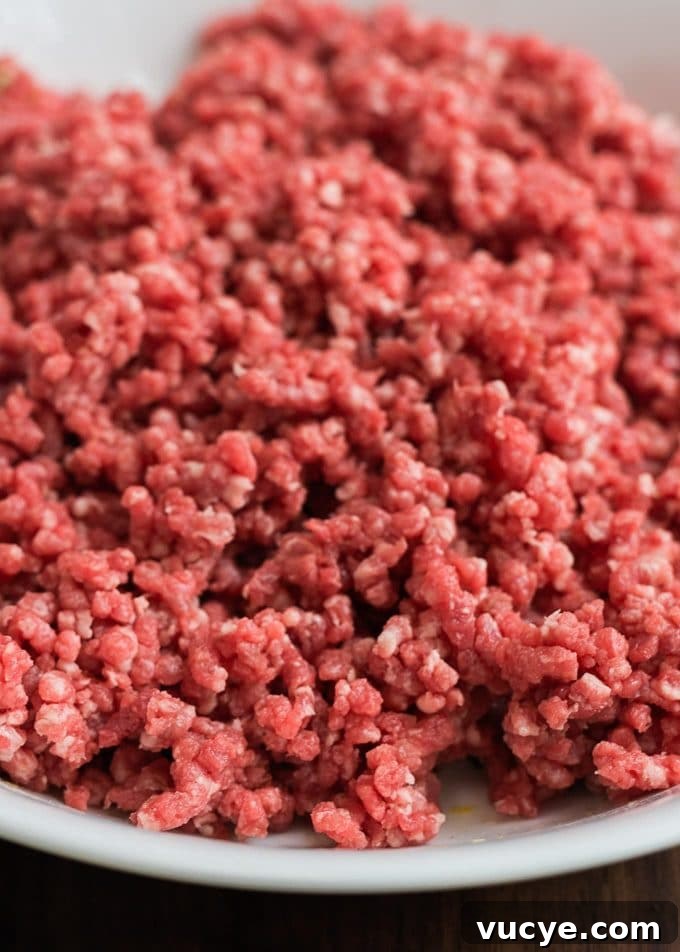
Changing the grinder plate allows you to select the coarseness that best fits your dish. Many grinders include multiple plates ranging from coarse to fine, so you can easily adjust for burgers, sausages, or meatballs.
Tips for success when grinding meat at home:
(These tips assume you’re using a standalone electric grinder or a grinder attachment.)
- Choose the Right Cut: Look for cuts with some fat — they make juicier burgers and meatballs. A marbled chuck roast is excellent for burgers. Pork shoulder is ideal for sausages and many blended recipes.
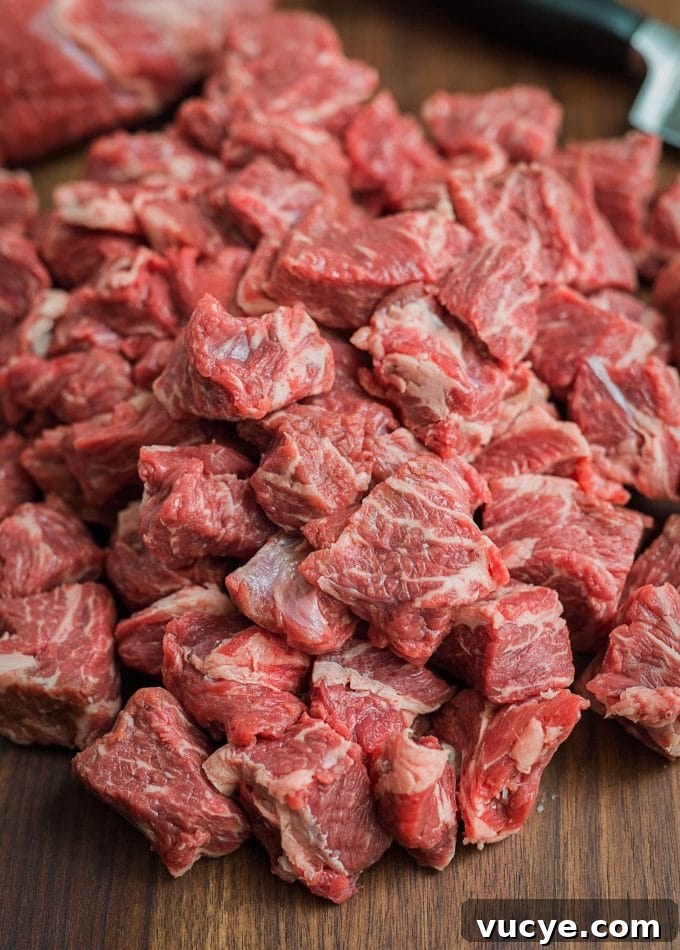
- Trim and Cube: Remove excess skin, large connective tissue, and overly fatty sections. Cut the meat into 1–2 inch cubes so it feeds smoothly through your grinder.
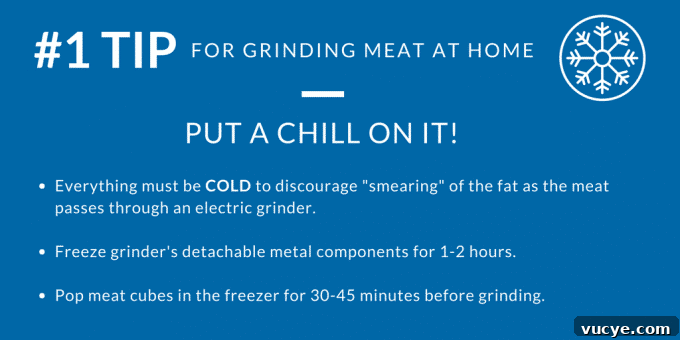
- Keep Everything Cold:
- Cold meat and chilled metal parts reduce fat smearing and produce a cleaner grind.
- Freeze the grinder’s metal components (cutting plates, head, etc.) for 1–2 hours before use.
- Chill the cubed meat in the fridge, then place it in the freezer for 30–45 minutes so it’s firm but not rock-solid.
- Work Efficiently: Grind as quickly as practical so meat and parts stay cold. If you must pause, re-chill the meat and re-freeze metal components before continuing.
- Prevent Cross-Contamination: When working with different proteins (beef, pork, poultry, fish), thoroughly clean and sanitize grinder parts between batches.
- Use or Freeze Promptly: For safety and quality, cook or freeze ground meat within 24 hours of grinding.
Always follow the manufacturer’s operation and safety instructions for your equipment.
Recipes using ground meat
Try homemade ground meat in recipes such as smoky grilled meatball subs, buffalo chicken meatballs, chicken and vegetable potstickers, or tequila-lime mojo beef burgers. Freshly ground meat elevates texture and flavor in all these dishes.