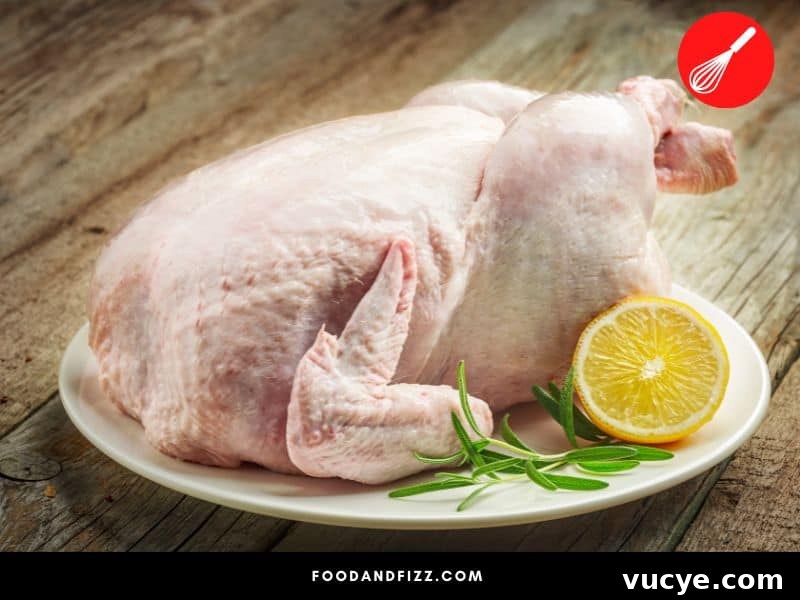
Many people have accidentally left raw chicken to thaw on the countertop and later discovered it after hours or even the next morning. It’s a common mistake, and while wasting food is always frustrating, the priority must be food safety. So if you find raw chicken that was left out overnight, can you still use it?
While the impulse to salvage food is understandable—especially when budgets are tight—serving unsafe chicken risks foodborne illness for you and your family. Below is clear guidance on why chicken left at room temperature overnight should be discarded and how to prevent this situation in the future.
Table of Contents
Toggle
Raw Chicken Left Out Overnight
Raw chicken left out overnight is not safe to eat. The general rule for perishable foods is a maximum of two hours at room temperature; beyond that, bacteria can grow to dangerous levels. If chicken has been left out overnight, it should be discarded.
Chicken Is Not Safe If left Out Overnight
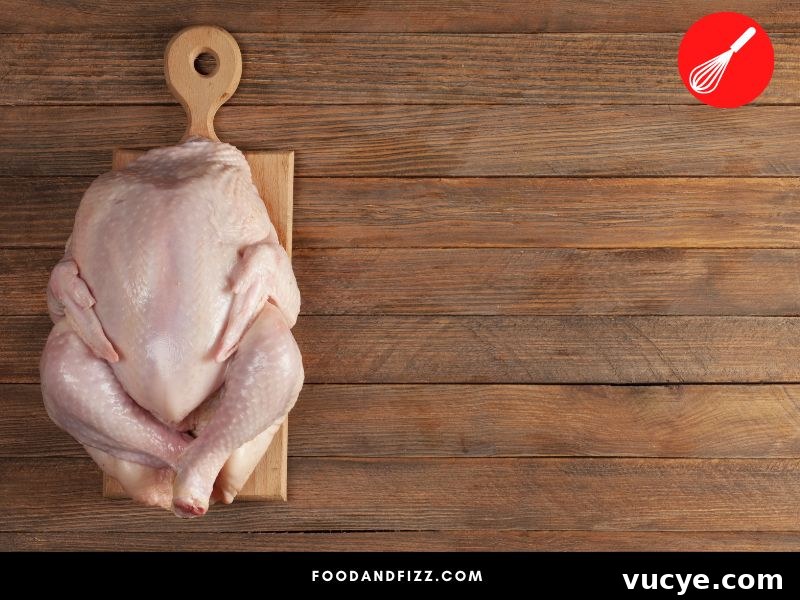
Whether raw or cooked, chicken should not be left at room temperature for more than two hours. Even if it smells and looks normal, harmful bacteria can be present. In hot conditions—above about 90°F (32°C)—that window shrinks to roughly one hour. When in doubt, throw it out.
Dangers of Consuming Chicken That Has Been Left Out
Chicken can harbor bacteria such as Campylobacter and Salmonella, and in some cases E. coli. These pathogens multiply rapidly when poultry is kept at temperatures in the “danger zone” (between 40°F and 140°F). Eating contaminated chicken can cause severe foodborne illness with symptoms like diarrhea, fever, vomiting, and abdominal pain, and can lead to more serious complications for vulnerable people.
How to Properly Store Raw Chicken
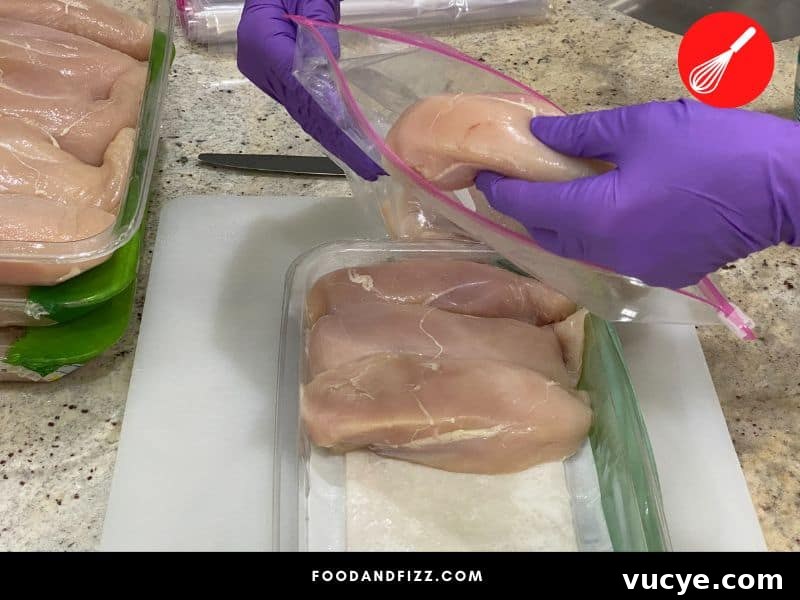
If you won’t use raw chicken within a day or two, store it in the freezer. Defrosted chicken can be refrozen only if it has been kept cold and not left at room temperature for more than two hours. When refrigerating, keep raw chicken tightly wrapped on the bottom shelf to prevent juices from dripping onto other foods. Maintain fridge temperatures below 40°F (4°C).
Always avoid cross-contamination: keep raw poultry separate from ready-to-eat items and clean any surfaces or containers that contact raw juices.
How to Safely Prepare Raw Chicken
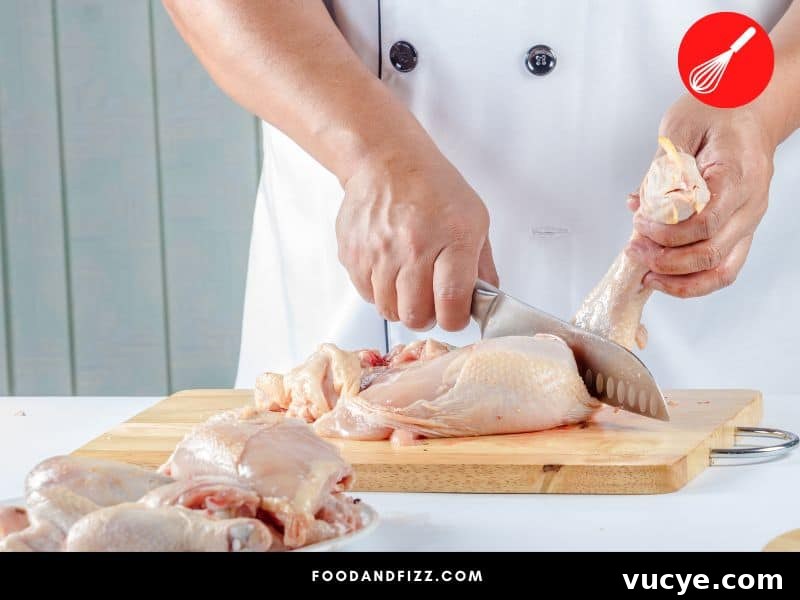
Prepare raw chicken on a designated cutting board and avoid washing it, since splashing can spread bacteria. Wash hands thoroughly after handling poultry and sanitize knives, boards, and countertops. Prepare salads and other ready-to-eat foods before touching raw chicken to minimize cross-contact.
If using a marinade that touched raw chicken, do not reuse it as a sauce unless it has been boiled. Cook chicken to an internal temperature of 165°F (74°C) and ensure there is no pink or bloody juice before serving.
How to Defrost Raw Chicken
Do not thaw frozen chicken on the countertop. Instead, move it from the freezer to the refrigerator at least 24 hours before use. Keep it sealed in a leak-proof bag or container while defrosting to prevent cross-contamination. For faster thawing, submerge sealed chicken in cold water and change the water every 30 minutes until thawed.
Frequently Asked Questions to Raw Chicken Left Out Overnight
What Can You Not Do With Raw Chicken?
Do not wash raw chicken, as this can spread juices and bacteria around the kitchen. Use a separate cutting board for raw poultry and never place other foods on surfaces that held raw chicken without cleaning them first.
What Happens If You Eat Raw Chicken?
Eating raw or undercooked chicken can cause food poisoning from bacteria like Campylobacter, Salmonella, or E. coli. Symptoms range from stomach cramps and diarrhea to fever and vomiting; severe cases require medical attention.
What Are The Safety Rules for Preparing Raw Chicken?
Always wash hands after handling raw chicken and sanitize any surfaces or utensils that contacted it. Keep raw poultry separate from other foods in storage and during preparation to avoid cross-contamination.
Conclusion to Raw Chicken Left Out Overnight – Safe to Eat?
If raw chicken was left out overnight, the safest action is to discard it. There’s no reliable way to make it safe again without risking illness. Treat the incident as a reminder to follow safe storage and thawing practices to protect your household in the future.
Chicken is affordable and versatile, but also prone to bacterial growth if mishandled. By following recommended food-safety practices when storing, thawing, and preparing poultry, you can enjoy many safe and delicious meals—just don’t let the chicken sit out overnight.