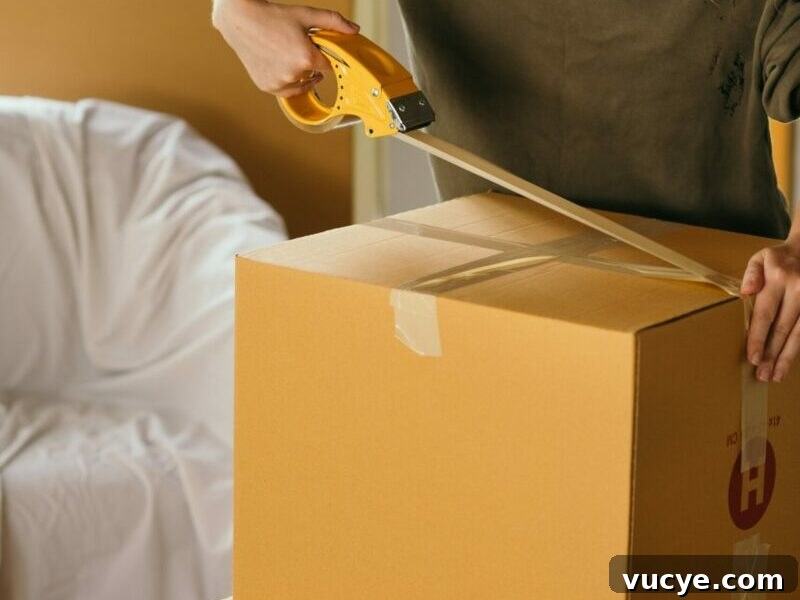

I’m currently in the middle of another move.
I’ve cherished my time living in Oregon. The friends and neighbors my husband and I have met over the years have become a close-knit community, and I’ll miss them and this place very much.
Of course, to miss a place you first have to leave it. Having changed addresses more than twenty times since marriage, I’ve grown familiar with goodbyes and the logistics of moving.
Over the years I’ve tried several approaches to moving out of state. Below I’ll outline the main options, including the hybrid approach we’re using for this move.
(Nearly) All the Ways to Move Out of State
Full-Service Moves
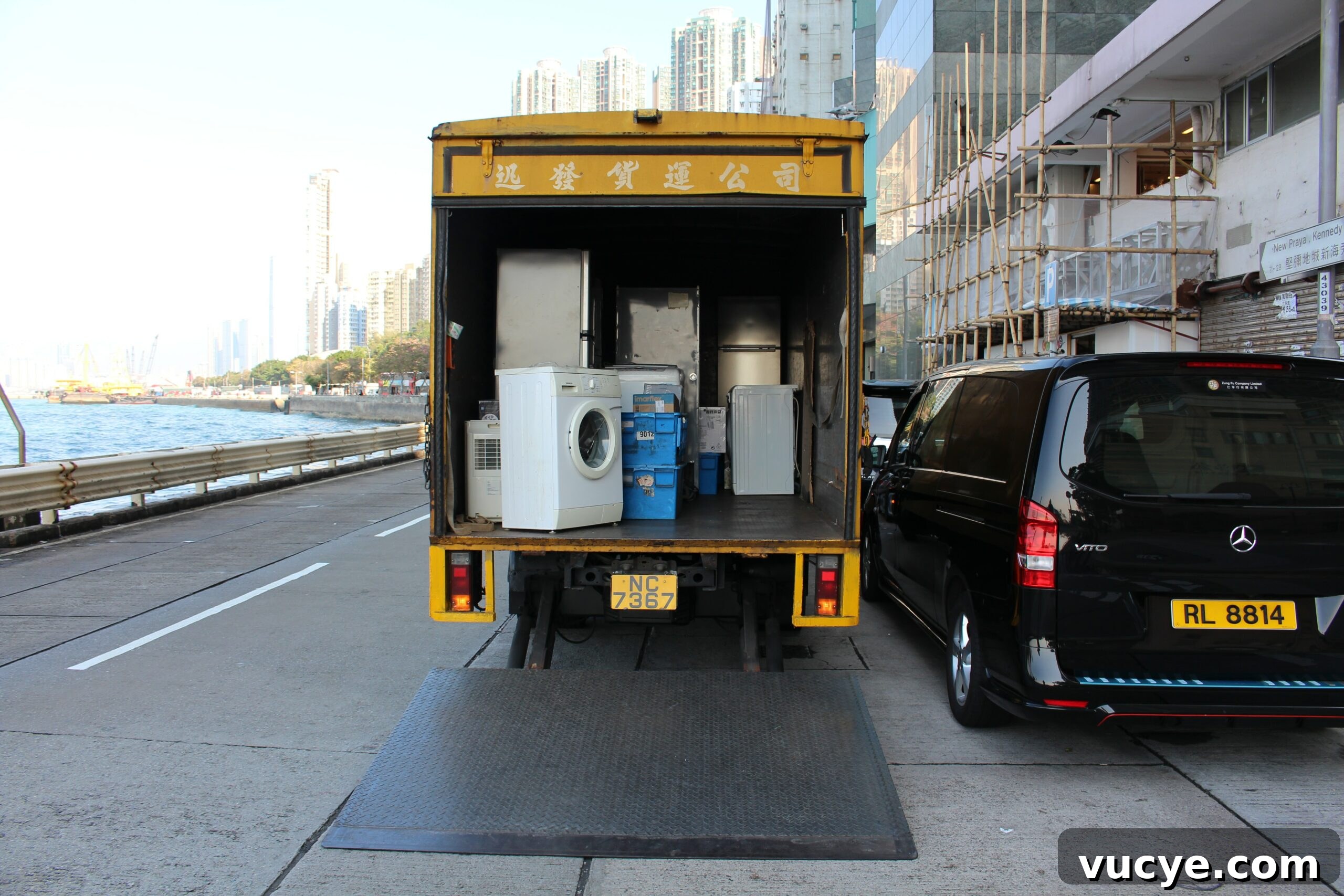
Full-service moves involve hiring professional movers to handle virtually everything: supplying packing materials (boxes, tape, packing paper), disassembling furniture as needed, carefully packing belongings, loading the truck, transporting to your new home, and unpacking and reassembling furniture. For an average-sized home, a professional crew may take one to three days to complete packing and loading.
This is the most hands-off option and typically the least stressful, but it’s also the most expensive. Full-service moves can cost tens of thousands of dollars depending on the household size, time of year, and distance. For example, quotes for moving from Oregon to Washington sometimes exceed $25,000.
Professional packers generally handle fragile items well. If you prefer to pack sentimental pieces yourself, many companies offer partial packing services so you can leave the heavy lifting to professionals while protecting heirlooms on your own.
Because of the high cost, many people choose alternatives or combine services to balance expense and effort.
Hybrid Moves
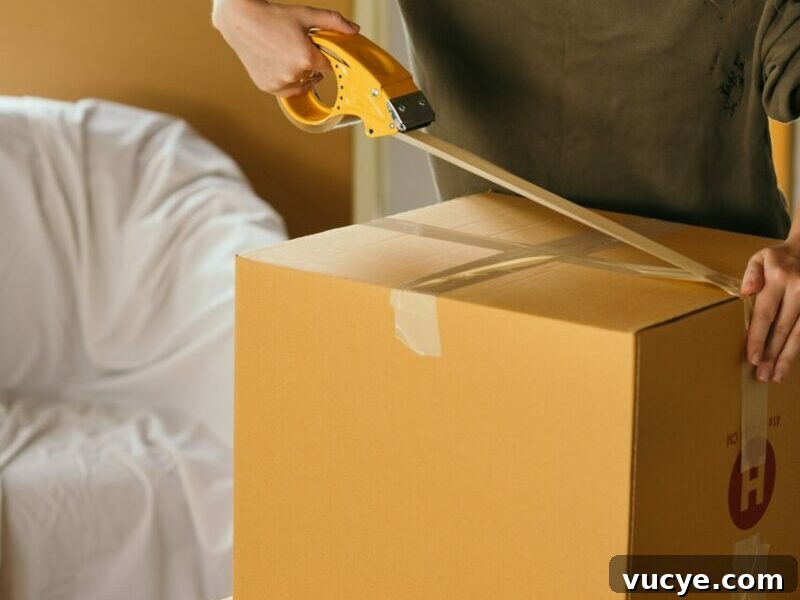
Hybrid moves are a middle ground between full-service and DIY. You can mix and match tasks—packing boxes and disassembling furniture yourself while hiring movers to handle loading, driving, and unloading; or vice versa, packing and transporting boxes yourself but hiring professionals to move large, delicate, or valuable items.
This approach reduces cost compared with full-service moves and still avoids the heaviest, most technical tasks. For our current move we are packing all boxes ourselves and renting a truck for those boxes, while hiring professionals to move large furniture pieces, including a baby grand piano. That lets us save money while ensuring our valuable items are handled by insured pros.
U-Haul
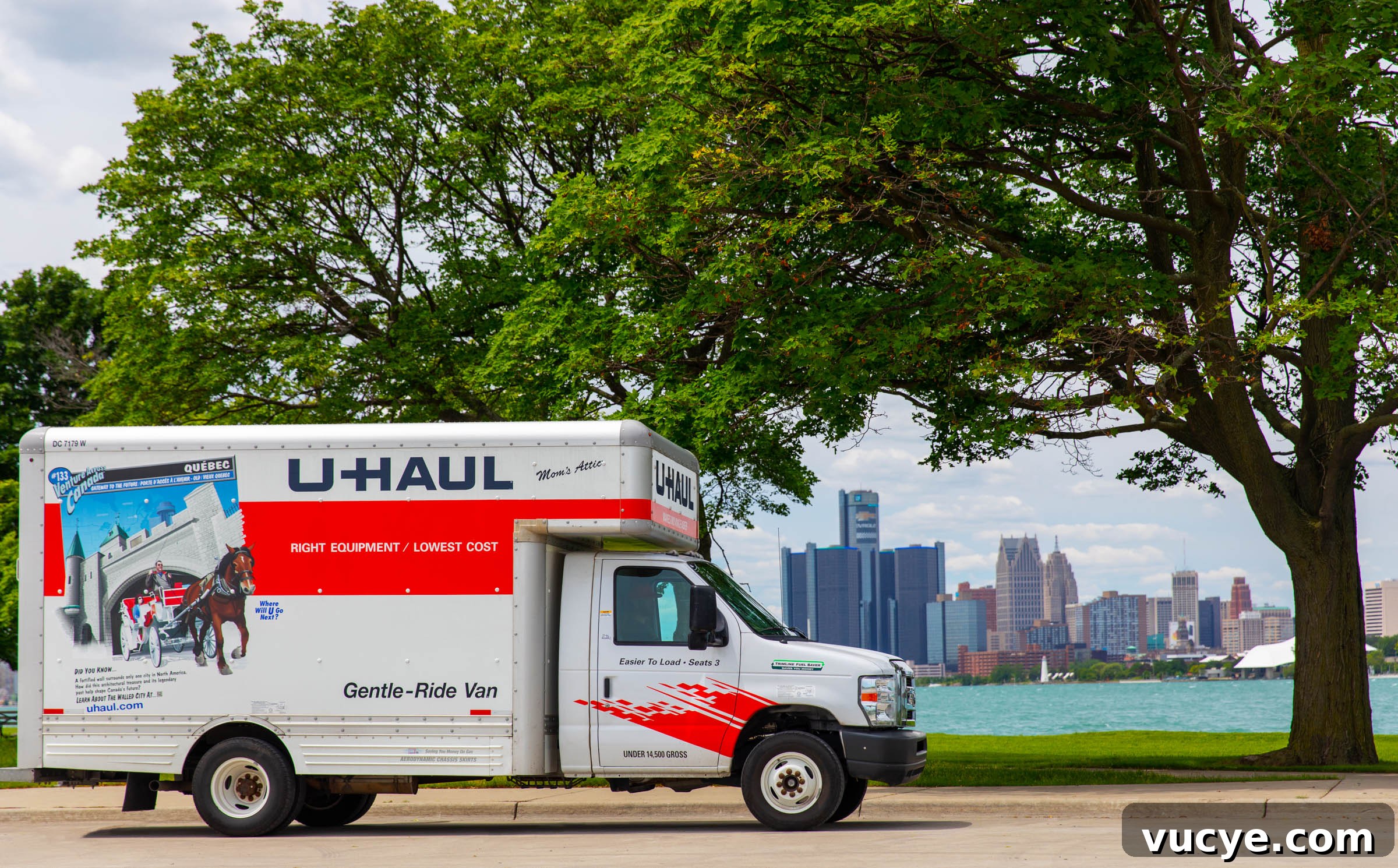
Renting a U-Haul or other moving truck is a classic DIY option I’ve used often. It’s cost-effective for budget-conscious moves, especially if you can handle the driving and loading.
Important considerations when renting a truck:
- Check geographic restrictions in the rental agreement; some equipment is limited to local moves.
- Choose the right vehicle type—cargo van, pickup, trailer, or a full-size moving truck.
- Pick an appropriate size; U-Haul offers 15 ft., 20 ft., and 26 ft. options for larger moves.
- Understand pricing—most rentals include a daily fee plus a per-mile charge beyond a certain distance.
- Ask about optional help—U-Haul can often connect you with local crews to assist with loading and unloading for an additional fee.
For this move we’re renting a U-Haul for our packed boxes and a second truck for my mother’s apartment—an economical solution when multiple households are involved.
Pods
Portable storage containers, often called pods, are weather-resistant units delivered to your driveway for packing and storage. Once loaded, the company transports the pod to your destination. Pods offer scheduling flexibility and remove the need for you to drive a large vehicle.
Costs start at around $800 but vary by container size, storage duration, and seasonal demand; summer rates are typically higher. Delivery windows can be less predictable than truck rentals, so pods work best if you have scheduling flexibility.
Here are three common pod-style options:
POD:
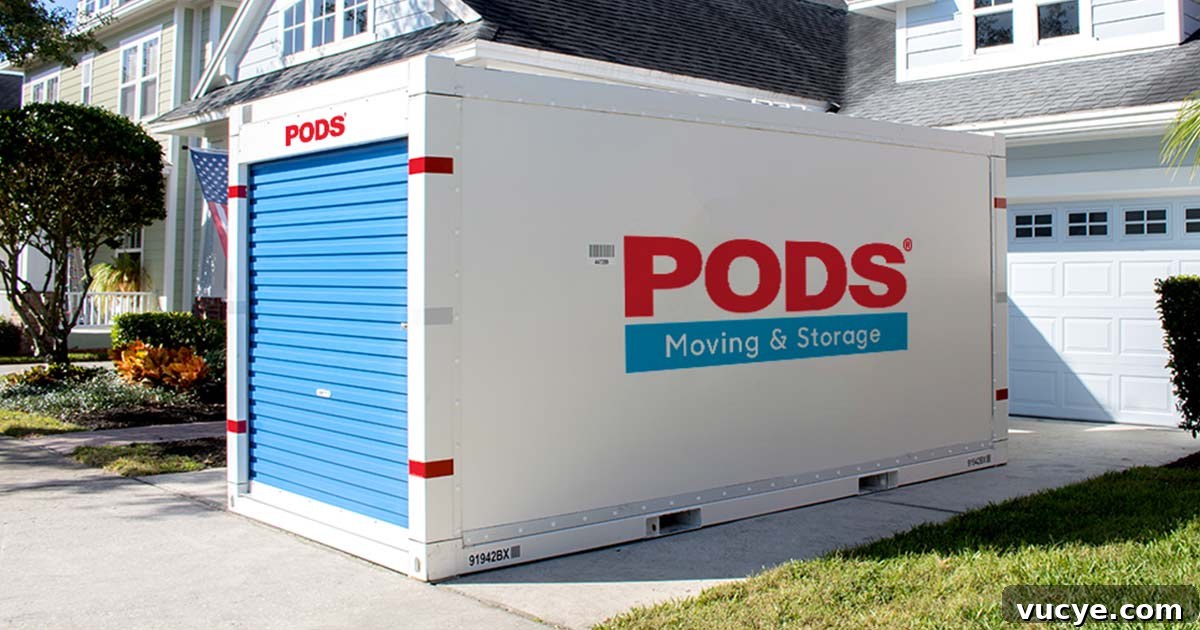
POD reservations generally start at 30 days, providing ample time to pack. They come in multiple sizes, are weatherproof, and can serve as short- or long-term storage during an out-of-state move.
U-Pack:
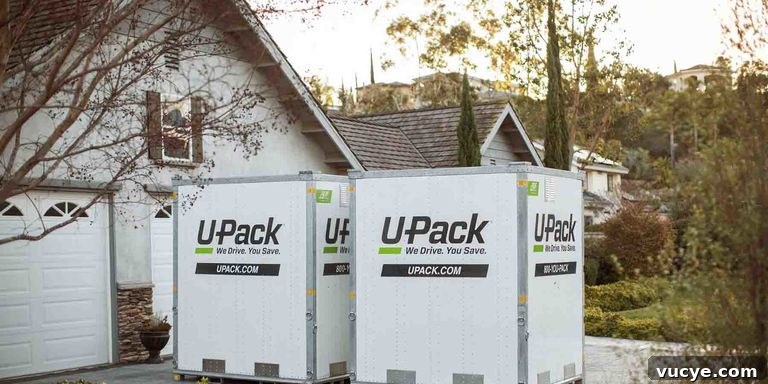
U-Pack offers straightforward online booking and is available in several sizes, including service to some rural areas. With U-Pack you typically reserve a portion of space in a truck headed to your destination—think of it as shared transport for household goods. Note that packing and unpacking windows can be short, so this option suits those who can work efficiently.
U-Box by U-Haul
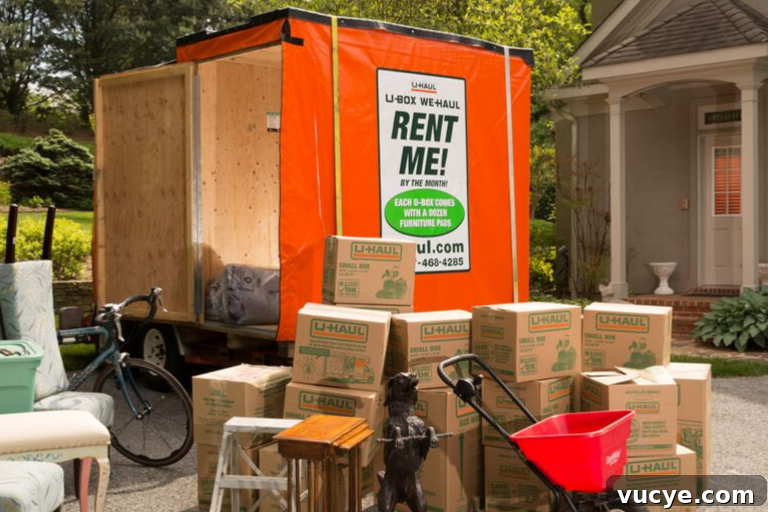
U-Box containers are smaller, plywood-style units offered by U-Haul. They are an affordable choice for smaller moves and often include a month of storage. You can reserve multiple containers if needed. For those selling most furniture and transporting only personal items, a single U-Box can be an economical solution.
Which Option Is Right for You?
For our move we chose the hybrid route: we’re packing boxes and renting a truck for them while hiring professionals to move heavy or valuable furniture. This option fits our budget, timeline, and the distance we’re traveling.
When deciding which method to use, weigh your budget, schedule, distance, home size, and physical ability. Each approach has trade-offs between cost, convenience, and stress. Fortunately, more moving choices exist now than ever before, so with some research you can find a solution that matches your needs.
Good luck with your move!