
What life skills will children and teens need to thrive in our fast-moving digital world?
We can’t predict every specific skill that will matter in 20 years, but we do know two important things: children will need to know how to learn, and they will need strong interpersonal and practical “soft skills.”
Meet a few of the leaders from our #LifeSkillsNow summer camp as they share what today’s youth need most and how parents can help. From taking ownership of health to planning ahead and communicating well with others, this conversation offers practical guidance and a simple three-step approach to put these skills into practice: first mental awareness, then clear communication, and finally intentional practice. Parents—you can do this!
Time Stamps for The Importance of Life Skills
Below are highlights from our conversation with four experienced leaders, each focused on essential life skills for kids and teens.
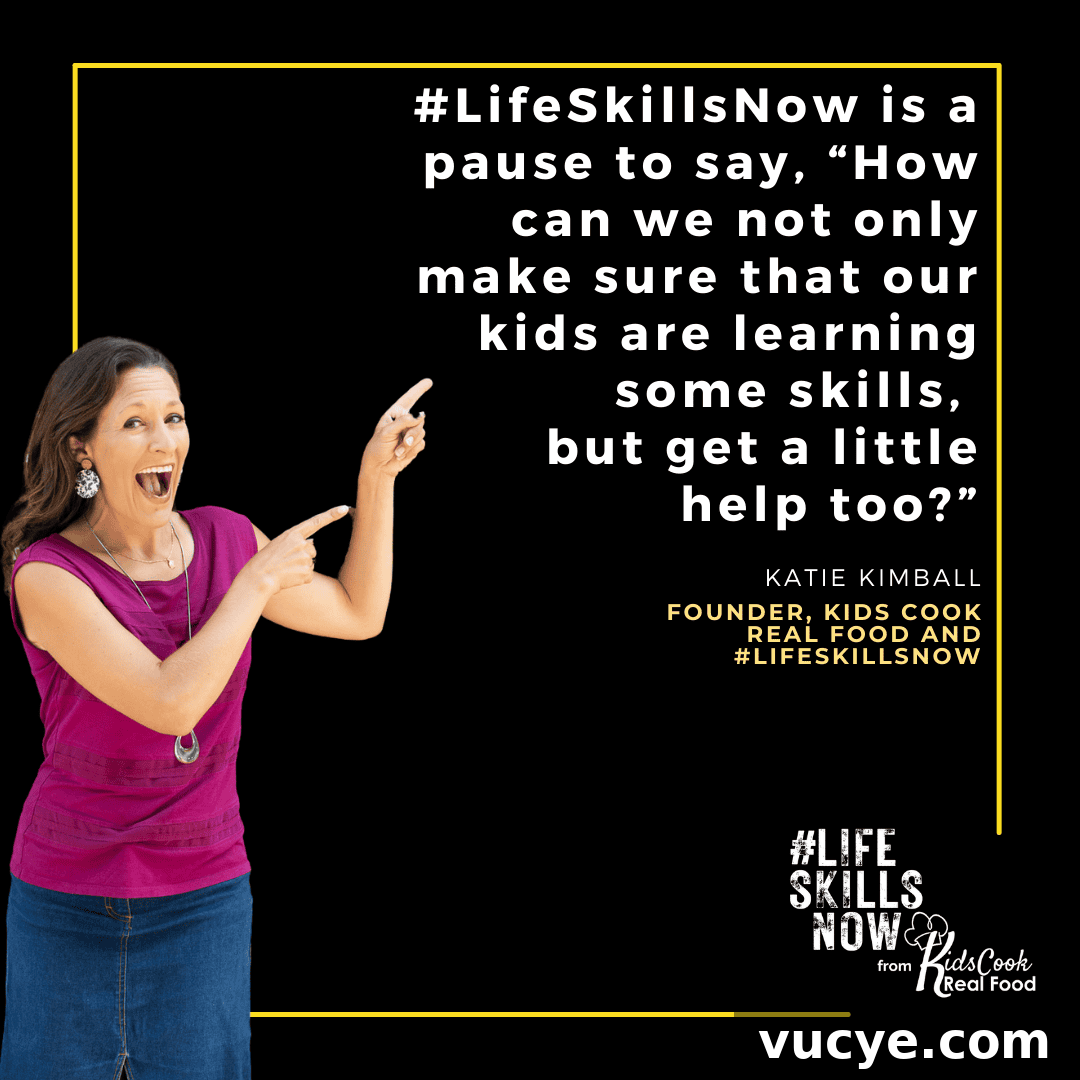
We can be pretty sure that all kids, all human beings, will need to know how to learn. – Katie Kimball
- 4:03 – Dr. Robin Dickinson, founder of Doctor Robin’s School, explains that many people don’t really understand how their bodies work. When kids understand the basics of their bodies, there’s less reason to panic when something unexpected happens.
- 5:18 – Dr. Robin’s son trains in a pre-professional ballet program. Despite the physical demands of serious dance, he has learned to care for his body thoughtfully and proactively.
No amount of “shoulding” and lists of things we should do is going to make us actually do those things. – Dr. Robin Dickinson
- 6:50 – Many children want to know the “why” behind instructions. When they understand why a habit matters—for example, how sleep or stretching supports performance—they are more likely to adopt it.
- 8:05 – As we age our bodies change. Teaching children about those changes helps normalize them and makes transitions easier to manage emotionally.
- 8:23 – Jessica Litman of The Organized Mama highlights organization, planning, and clear interpersonal communication as essential life skills that set young people up for success.
There are so many team projects! You need to know how to effectively communicate with a multitude of people. – Jessica Litman
- 9:41 – Argavan Nilforoush, a pediatric dietitian and founder of Baby Steps Nutrition, emphasizes the importance of basic cooking skills and nutrition knowledge as lifelong tools.
- 10:14 – Understanding food and how it fuels the body empowers children to make healthier choices now and later.
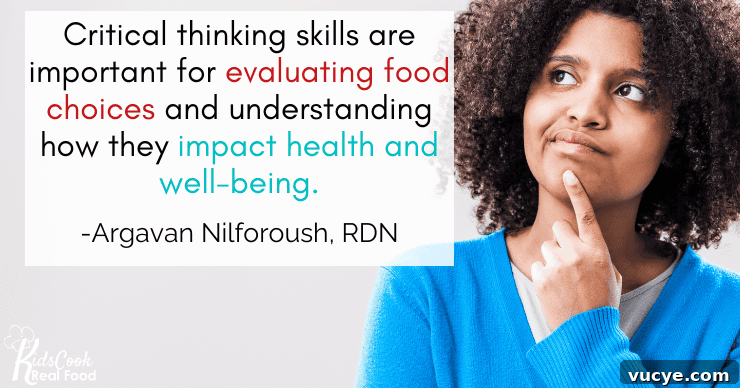
- 10:44 – Critical thinking helps children sort through conflicting claims and decide what is best for their own bodies.
- 10:54 – Argavan offers practical tips to engage picky eaters in the kitchen, which both builds skills and reduces mealtime stress.
Being able to sift through conflicting information and make informed choices about food is essential. – Argavan Nilforoush, RDN
- 11:30 – Wendy Snyder, a positive parenting educator, stresses the importance of helping kids develop a healthy, constructive sense of power and agency.
- 11:55 – Too often, parents unintentionally rely on threats, bribes, or anger. Modeling healthy ways to feel powerful—through achievement, practice, and contribution—teaches children to act confidently and respectfully.
- 13:16 – Wendy suggests activities like sports, music, and other pursuits that give kids real opportunities to build competence and self-confidence.
We always say that kids who are really empowered in the home demand it less out in the world. – Wendy Snyder
- 15:36 – Effective life-skill education combines philosophical ideas (values, decision-making) with practical skills (cooking, laundry, time-management). #LifeSkillsNow addresses both.
- 17:25 – Our four camp leaders describe the hands-on workshops they lead in #LifeSkillsNow Season 3, covering topics from nutrition to communication and organization.
- 20:02 – Start noticing and naming the skills you use every day—both practical tasks like laundry, car maintenance, and budgeting, and soft skills like negotiation, flexibility, and empathy. Narrate these skills aloud so children hear the language you use to describe them.
- 21:33 – For example, talk through money management with teens and young adults. Explain bills, budgeting choices, and trade-offs so financial skills become clear and transferable.
- 23:05 – We all make mistakes—sometimes parents overlook simple lessons. When kids face consequences, use that moment as a teaching opportunity rather than just a reprimand.
- 25:56 – After naming and explaining a skill, create simple, hands-on opportunities for kids to practice it. Real practice, not just instruction, builds competence and confidence.
By focusing on awareness, clear explanation, and intentional practice, parents can help children build a broad toolkit of life skills that will serve them well in a rapidly changing world. Start small: narrate a skill today, invite your child to try it, and give them space to learn through doing.