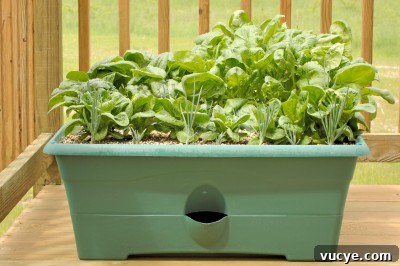
Are you a gardener at heart but constrained by the limited space of an apartment or small home? You can still create a thriving garden anywhere—on a windowsill, balcony, patio, or deck. Gardening is more than growing food; it’s a restorative practice that feeds the soul. Whether you’re nurturing seedlings, tending herbs, or harvesting your own produce, making the most of every inch matters. Here are practical tips to help you maximize small spaces and enjoy successful container gardening.
1. Choose plant varieties bred for compact spaces.
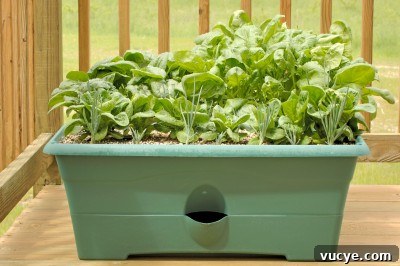
Image credit: CarolinaSmit / 123RF Stock Photo
Many vegetables and fruits have compact cultivars developed for containers or small beds. These varieties deliver full flavor and reliable yields without requiring a lot of room. Examples include:
- Sweet Pea Current Tomatoes – Small plants or hanging-basket varieties that produce flavorful bite-sized tomatoes, ideal for containers.
- Patio Star Zucchini – A compact zucchini plant that still produces regular-sized fruits, perfect for limited spaces.
- Top Hat Blueberry – A dwarf blueberry variety that thrives in containers and yields fresh berries from a balcony or deck.
- Patio Snacker Cucumber – A small, productive cucumber plant suited to pots and hanging planters.
2. Pick plants that occupy minimal space.
You don’t need a large garden to enjoy fresh produce. Many vegetables and herbs grow well in containers or narrow planters, making them convenient for quick harvests right outside your kitchen.
- Leaf lettuces – Grow well in oblong containers or window boxes. Sow a little seed every two weeks for a steady supply of baby greens.
- Radishes – Fast-maturing and compact, radishes are ideal for small containers and provide a quick crop.
- Purslane – Often dismissed as a weed, purslane has a bright lemony flavor and is high in Omega-3s. It grows like lettuce and will self-seed in suitable conditions.
- Watercress – A water-loving green that does well in containers; it’s a flavorful addition to salads and sandwiches.
- Carrots – Small-rooted carrot varieties adapt well to containers; use pots at least 10 inches deep for best results.
3. Use a variety of containers for flexible gardening.
The right mix of containers allows you to tailor your garden to the available space and the needs of each plant. Different shapes, sizes, and materials each have advantages.
- Round plastic pots – Lightweight and easy to move, plastic pots are practical for repositioning plants to catch sun or avoid wind.
- EarthBoxes – These modular, oblong planter systems include a water reservoir and grow screen, making watering more efficient and consistent.
- Potato bags – Lightweight and space-efficient, grow bags are perfect for potatoes and can produce large, lush plants that even double as a privacy screen.
- Smart Pots – Soft-sided, breathable fabric containers that promote healthy root development. They’re available in small sizes (2–5 gallons) ideal for strawberries, small tomatoes, and compact squash.
Container selection should match the crop’s root depth and watering needs. Deeper containers for root vegetables, stable larger pots for bushy plants, and breathable fabric pots to prevent root circling are all useful choices.
What containers or plant varieties have worked best for your small-space garden? Share your favorites and any tips you’ve discovered for making the most of limited growing areas.
Note: Product availability varies by retailer. Check specialty seed and garden suppliers for compact vegetable varieties and container options.