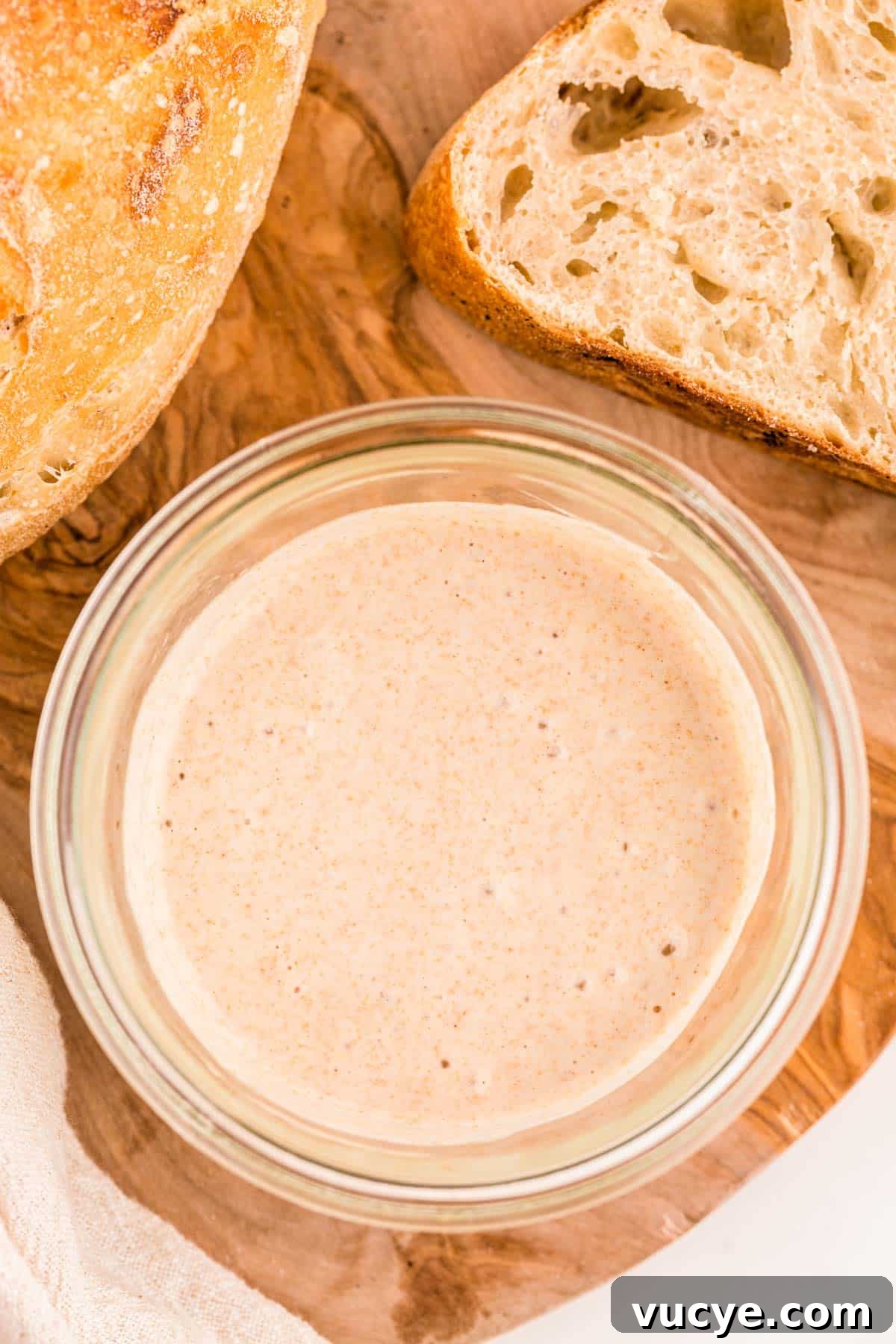
Sourdough Starter includes clear step-by-step instructions with photos so you can create a lively starter for all your favorite sourdough recipes. It only takes about 10 minutes, twice a day, to feed and maintain.
If you enjoy bread baking, try the fluffy classic Homemade Bread or a lightly sweet braided Challah Bread for more easy, detailed recipes.
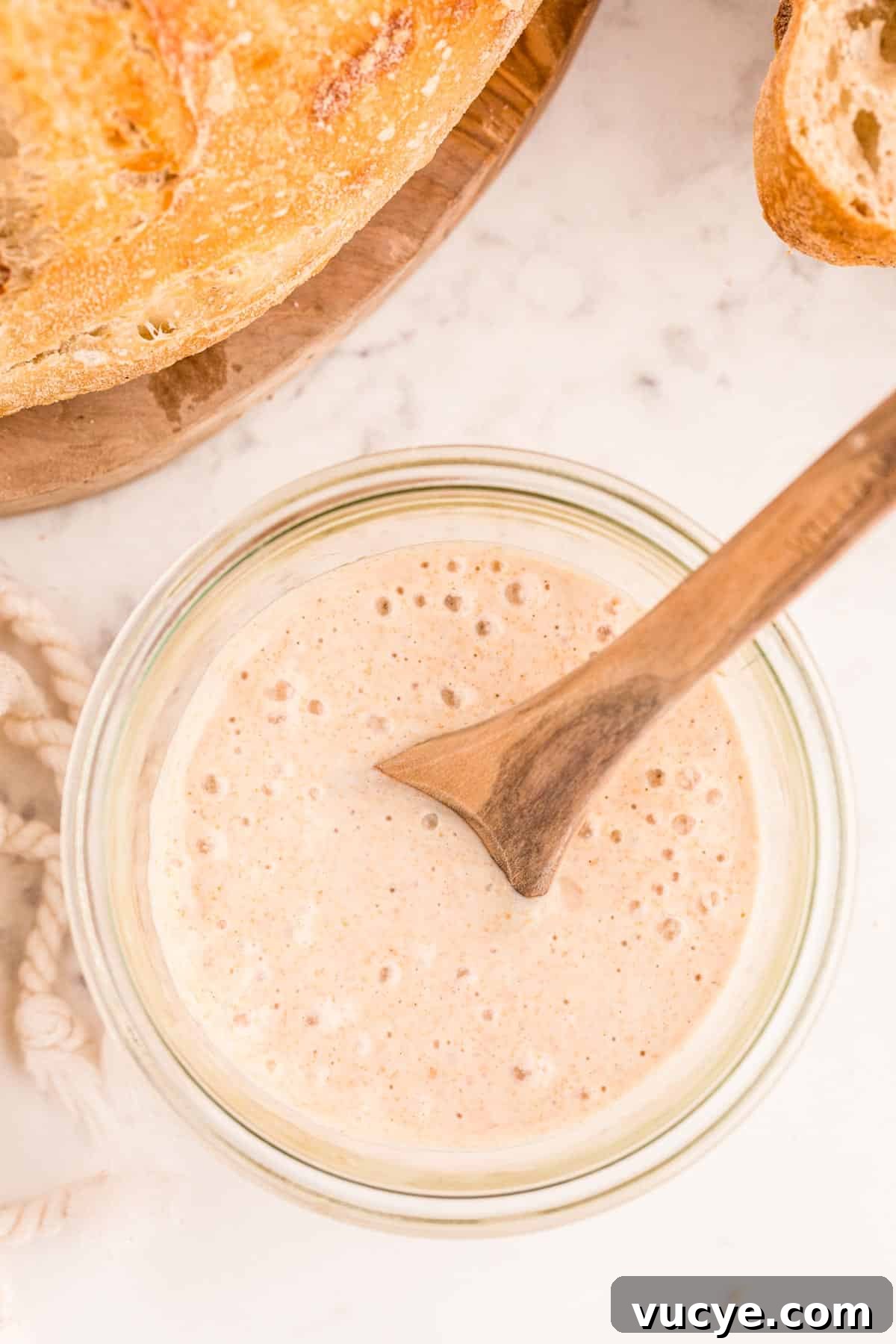
Sourdough Starter: The Journey to Your Sourdough Era
This straightforward sourdough starter guide shows how to create a starter from scratch and how to feed and maintain it. A healthy, active starter is the foundation for excellent sourdough bread, pizza dough, pretzels, and more.
Recent supply shortages taught many of us the value of having a dependable starter. With this method you can keep baking fresh loaves and rolls without relying on commercial yeast.
What Is a Sourdough Starter?
A sourdough starter is a simple mixture of flour and water that cultivates wild yeast and beneficial bacteria naturally. The starter leavens baked goods and develops flavor and texture that you can’t get from instant yeast alone.
Feeding and maintaining a starter takes about 10 minutes twice a day — a small investment for outstanding homemade bread.
You can also use the discard (the removed portion) in recipes like dinner rolls, cinnamon rolls, and pancakes, reducing waste and adding extra baked goods to your table.
Ingredients for a Sourdough Starter
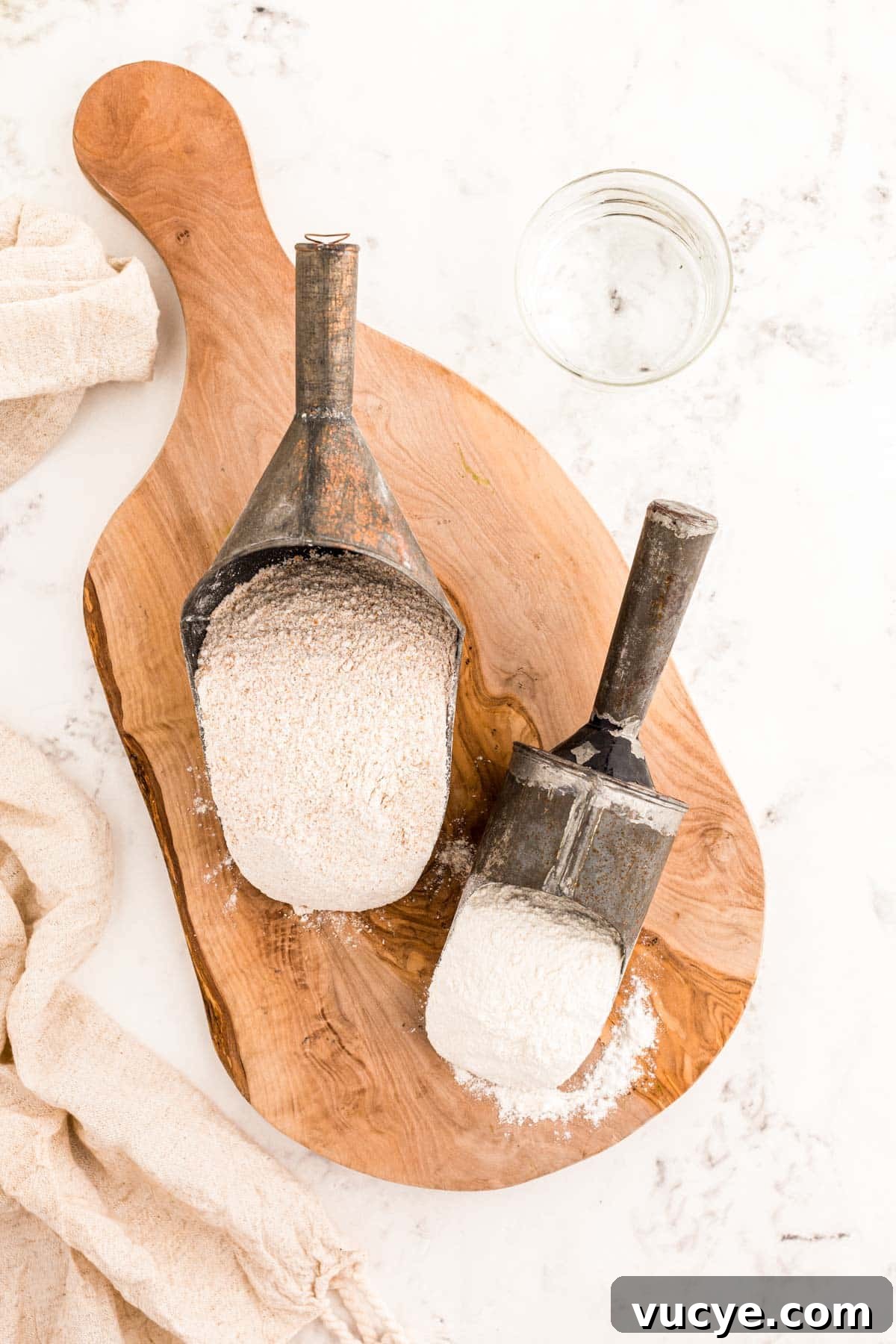
You only need a few basic ingredients, many already found in the pantry:
- Whole wheat or rye whole-grain flour – These flours help get fermentation started quickly.
- All-purpose flour – After initial fermentation, switching to a mix of all-purpose and whole wheat for feedings works well.
- Filtered water – Use bottled or distilled water for best results. Chlorinated tap water can inhibit fermentation.
Kitchen Essentials
- Kitchen scale – Weighing ingredients gives consistent, reliable results.
- Clean jar – A tall, straight-sided jar makes it easy to mark the rise and gives room for the starter to expand. Wide-mouth jars are convenient for stirring and discarding.
- Plastic wrap or a breathable cover – Used to cover the jar between feedings.
How to Make a Sourdough Starter from Scratch
Day One: In a small bowl, combine equal parts flour and water.
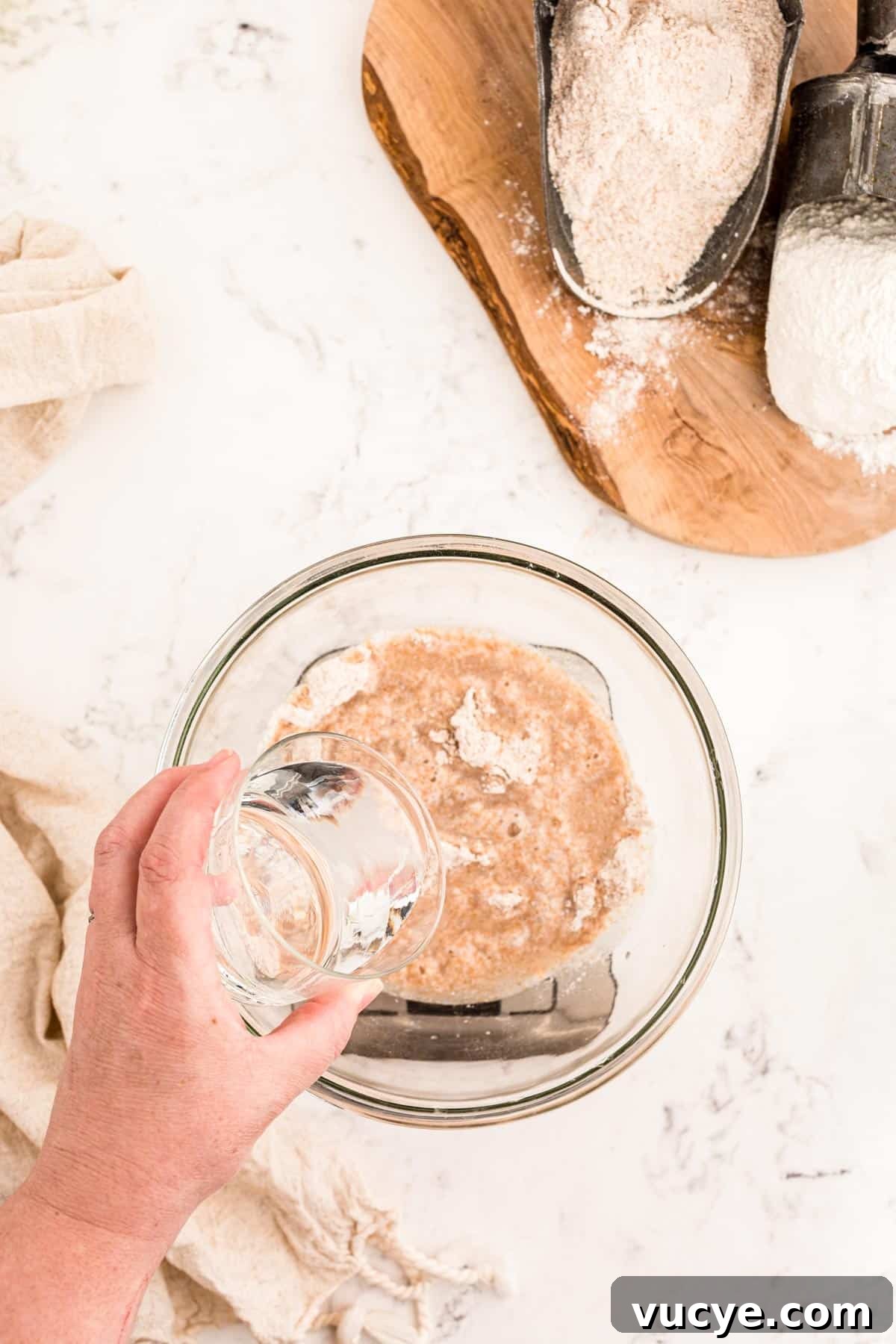
Stir until a smooth paste forms, cover, and place in a warm, draft-free spot at room temperature.
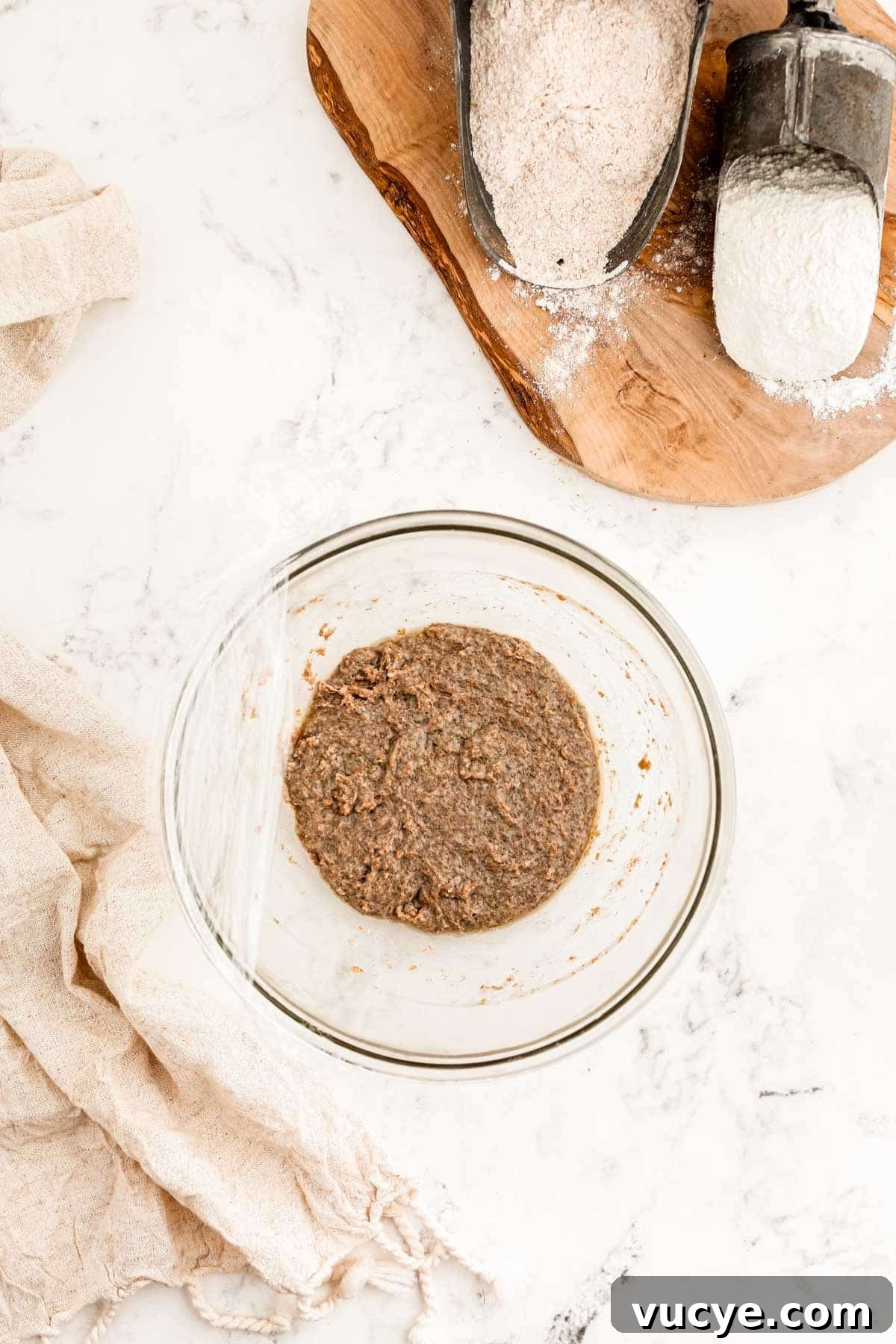
Day Two: After 24 hours, stir the starter. Remove 100 grams to a clean jar — this becomes your maintained starter. Discard or save the remainder for discard recipes. To the 100 grams in the clean jar add equal parts flour and water (for example 100g flour + 100g water). Stir, cover, and return to a warm spot for another 24 hours.
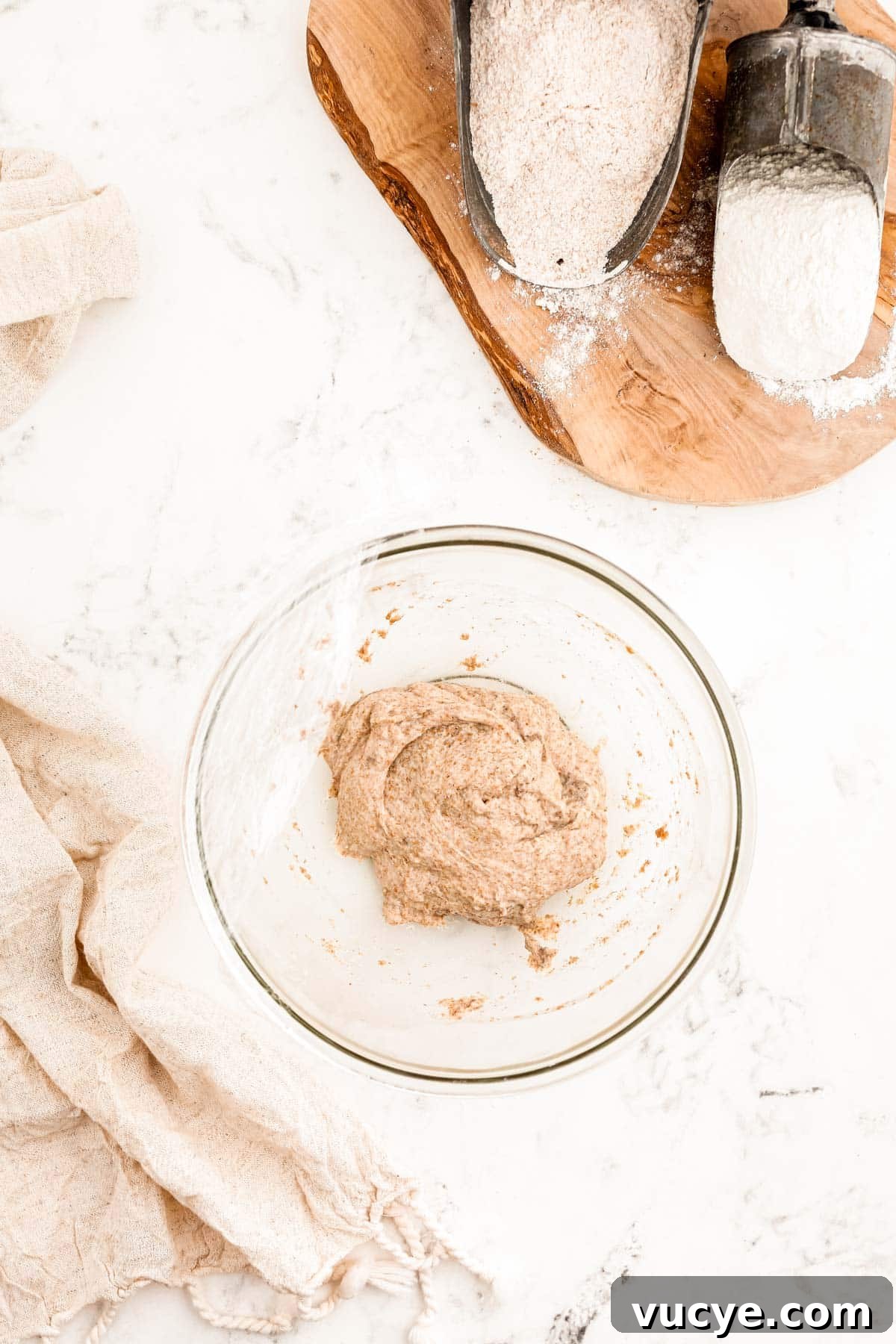
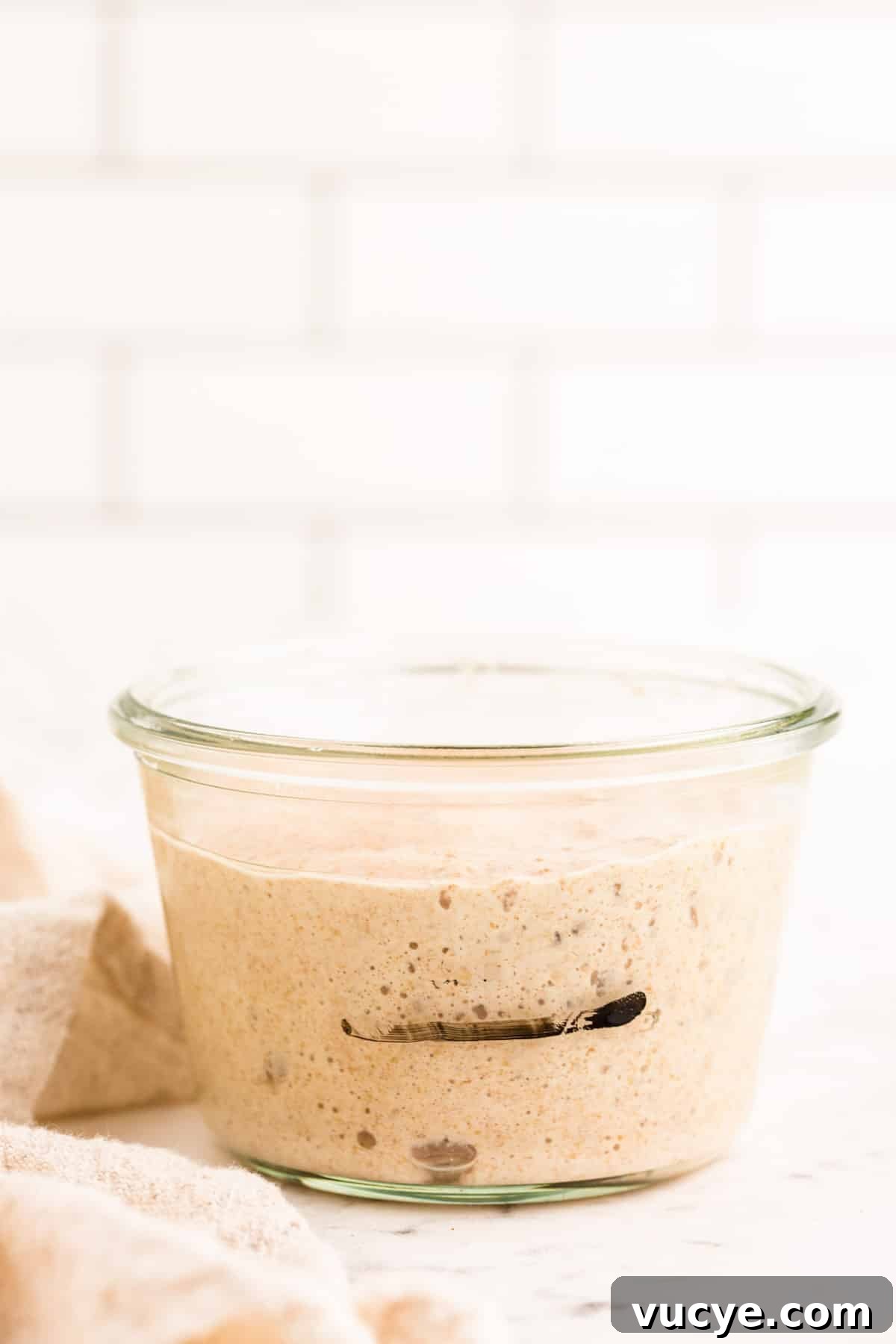
Day Three (or Four): You should start to see bubbles and a mild aroma. Begin feeding the starter every 12 hours. For each feeding: measure 100 grams starter into a clean jar with room to double, then add 100 grams water and 100 grams flour (a 50/50 mix of all-purpose and whole wheat often works well). Stir, cover, and mark the jar so you can track the rise.
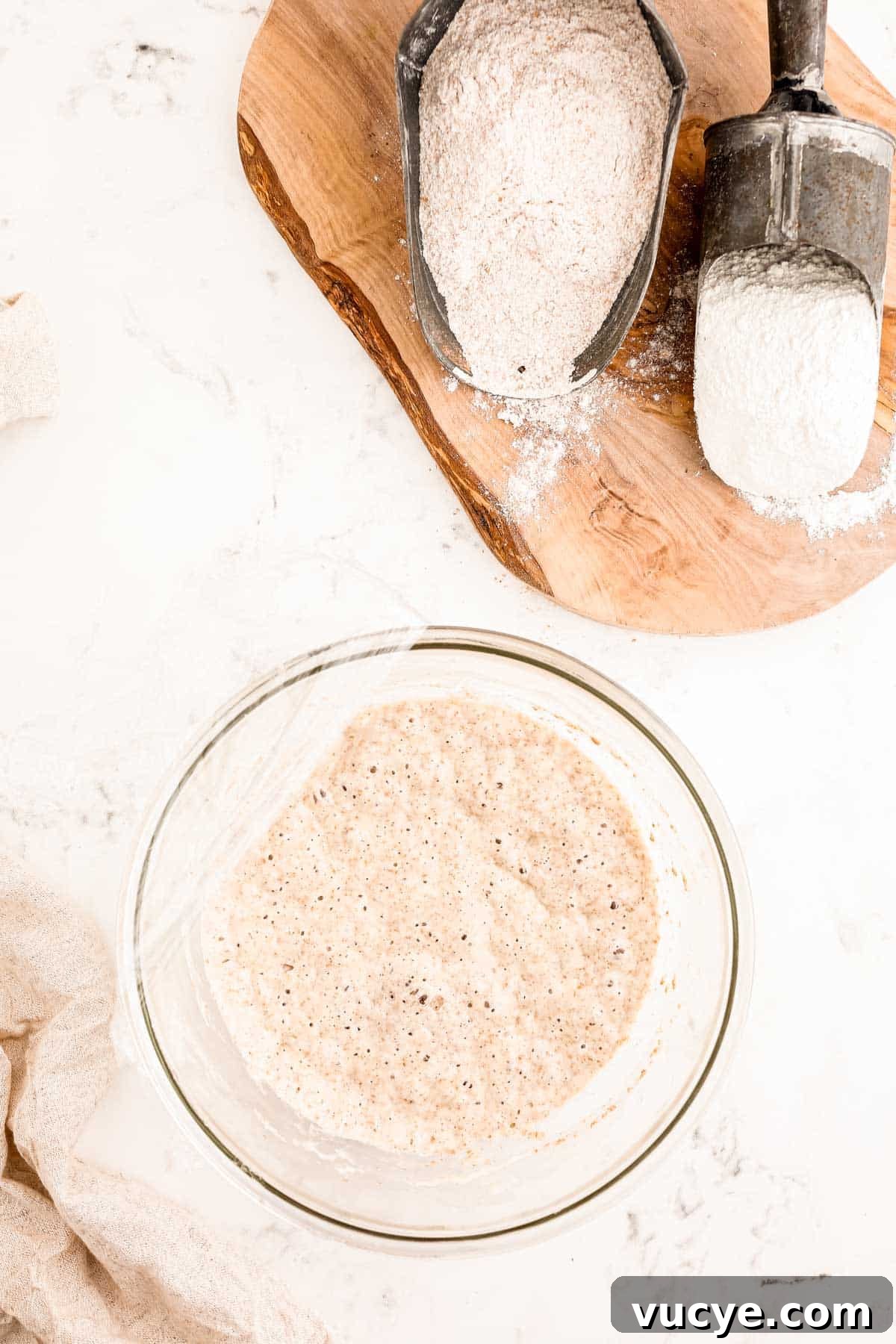
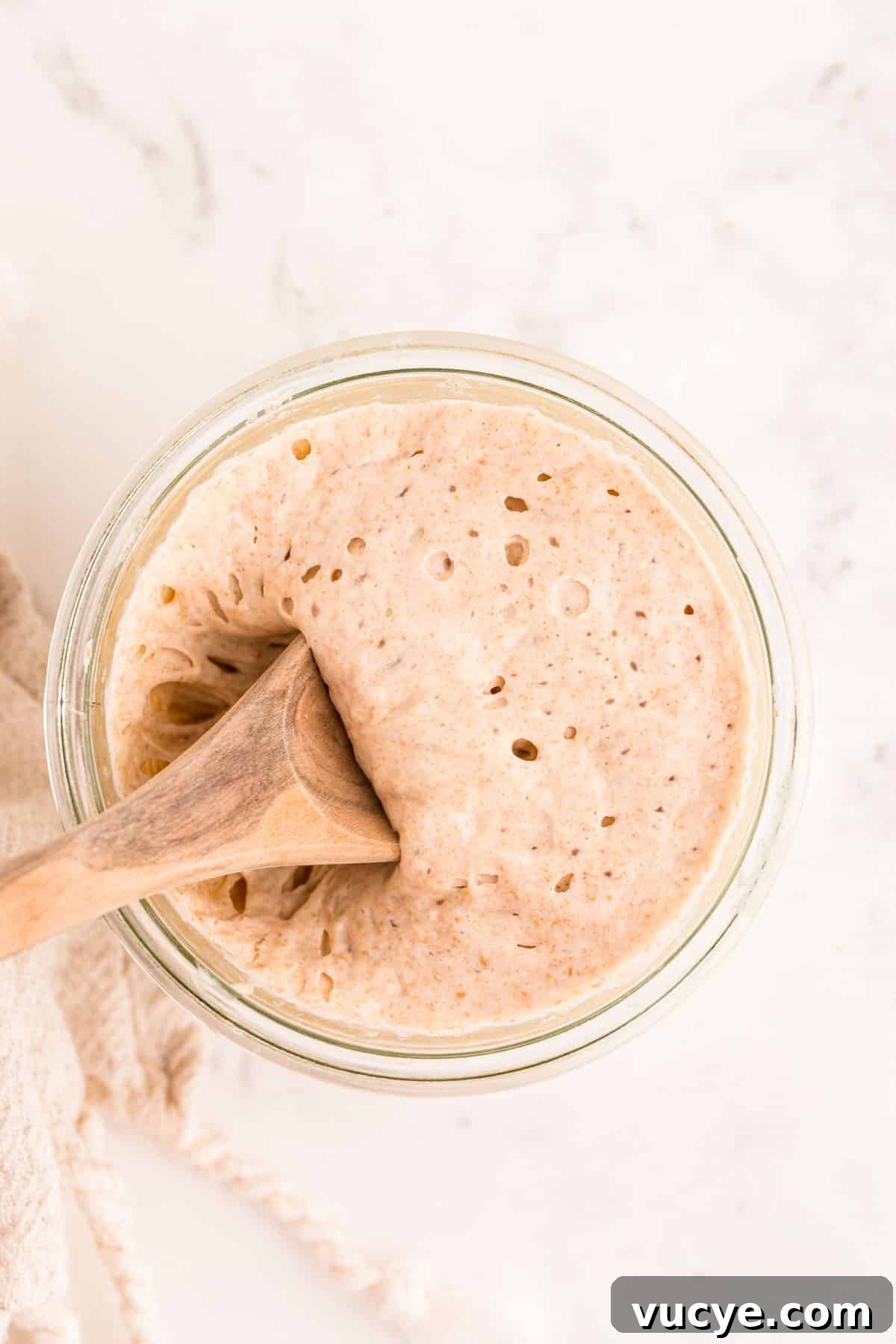
Day Four and Beyond: Continue feeding every 12 hours. Over a week or two the starter should become reliably active — doubling in volume and showing plenty of bubbles within 6–8 hours after a feeding. At that point it’s ready to use for baking.
Knowing Your Sourdough Starter
How can I tell the starter is ready to use?
A ready starter will regularly double in size within about 6–8 hours after feeding and be bubbly throughout. You can also use the float test: drop a teaspoon of starter into room-temperature water — if it floats, it’s usually ready. Note: some whole-grain starters may be ready but not float due to their density.
How do I know if a starter has gone bad?
If the starter develops streaks or tints of orange, pink, yellow, or blue, discard it. Those colors indicate harmful bacterial growth. A healthy starter should not show colored streaks.
Tips
- Adjust feeding ratios to suit your routine. The guide uses 100 grams measurements for simplicity, but you can scale up or down as long as starter, water, and flour are measured evenly by weight.
- Using a kitchen scale and gram measurements improves consistency and reliability in both starter maintenance and baking.
- Stored and cared for properly, a starter can last indefinitely. Many cultures maintain starters for decades; regular feedings and careful storage keep them healthy.
What if I don’t want to feed every 12 hours?
If frequent feedings aren’t convenient, feed the starter, let it sit at room temperature until active and bubbly for a few hours, then refrigerate. Cold storage slows fermentation; feed refrigerated starter about once a week. When you plan to bake, take the starter out, feed it, and allow it several hours (typically around 8 hours) at room temperature to become fully active before using.
More Homemade Recipes to Have on Hand
- Fresh Grenadine Syrup – Made with pomegranate juice, sugar, and lemon juice.
- Homemade Bisquick – A simple four-ingredient mix to replace store-bought versions.
- Blender Butter – An easy, creamy old-fashioned butter made in a blender.
- Simple Syrup – Just two ingredients for adding flavor to drinks and cocktails.
- Candied Pecans – Homemade candied pecans ready in about 15 minutes, great for salads, pies, and snacks.
Sourdough Starter
Equipment
- Kitchen scale
Ingredients
- 400 grams Whole wheat or whole rye flour
- 800 grams Filtered water
- 300 grams All-purpose flour
Instructions
- Day 1: In a small bowl combine 100 grams whole wheat flour and 100 grams filtered water. Stir until a smooth paste forms, cover, and set in a warm, draft-free spot.
- Day 2: After 24 hours, stir the mixture. Remove 100 grams into a clean jar. To that jar add 100 grams flour (all-purpose or whole wheat) and 100 grams water. Stir, cover, and return to a warm place for 24 hours. Discard or save the excess for discard recipes.
- Day 3: Signs of fermentation (bubbles, mild aroma) should appear. Begin feeding twice daily: measure 100 g starter into a jar with room to double, then add 100 g water and 100 g flour (50/50 all-purpose and whole wheat works well). Stir, cover, and repeat every 12 hours.
- Day 4 and beyond: Continue feeding every 12 hours. After 1–2 weeks the starter should consistently double within 6–8 hours and be bubbly throughout — then it’s ready to use in bread and other recipes.
Notes
- Marking the jar helps track how much the starter rises between feedings.
- The starter thickens when mixed, loosens and bubbles after a few hours, peaks around 6–8 hours, then falls and becomes hungry by 12 hours — that’s the time to feed.
- Use filtered or distilled water to avoid chlorine, which can slow or stop fermentation.
- Whole-grain flours help jumpstart fermentation; once established, a mix of all-purpose and whole wheat works well for regular feedings.
- You can scale measurements to suit your needs — just keep the ratios consistent by weight.
- If you prefer less frequent maintenance, refrigerate the starter after it becomes active and feed it once weekly. When ready to bake, take it out, feed it, and let it become active at room temperature before using.