Are you feeling overwhelmed by all the new terms and abbreviations as you begin your cannabis journey? This guide helps beginners make sense of the most common cannabis terms and acronyms so you can start using cannabis for wellness with confidence.
Article Features
- A beginner-friendly terms and abbreviations guide
- An option to download and print the guide
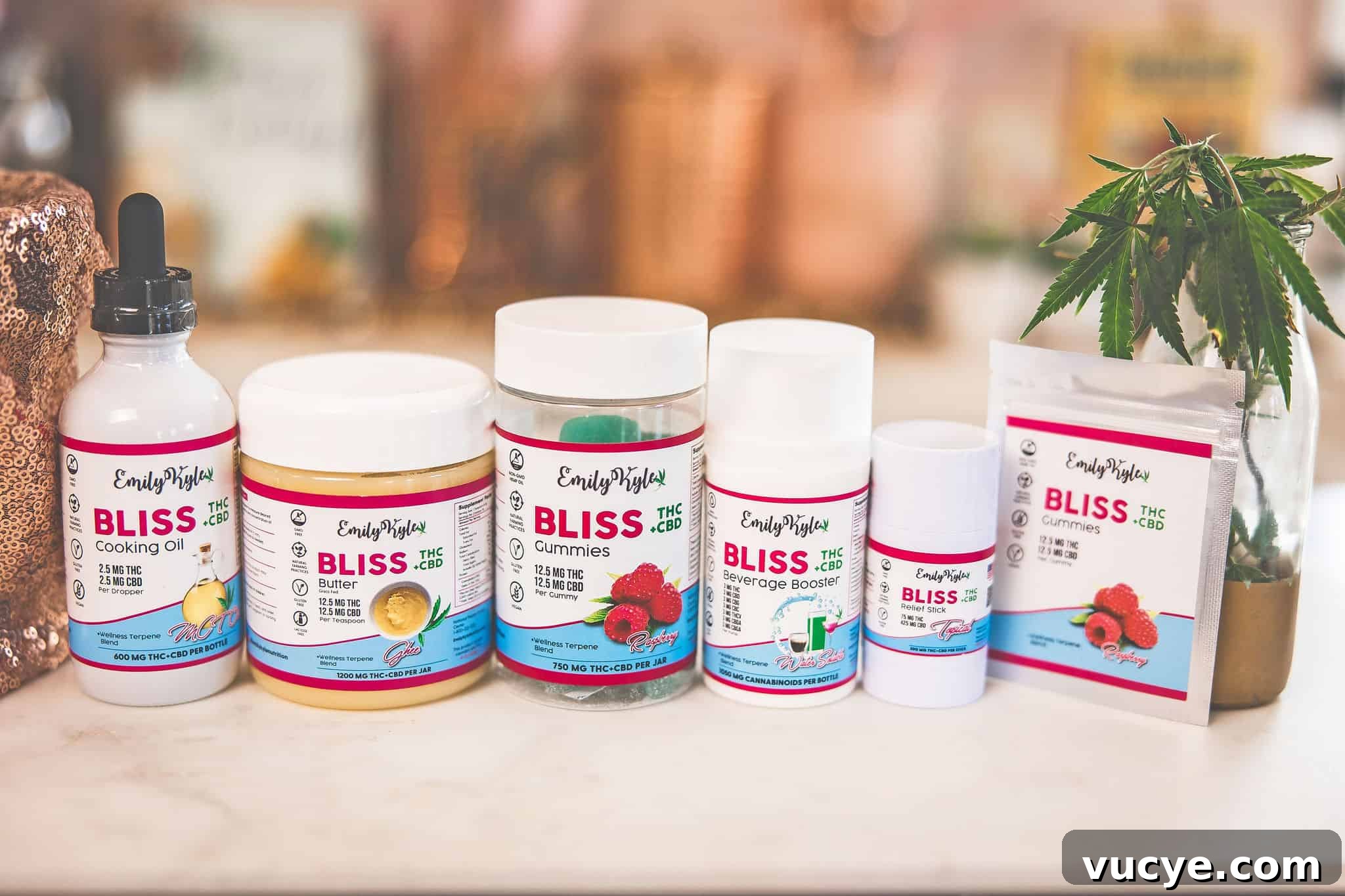
- Want to make it easy? Shop with me and have high-quality cannabis products delivered directly to your door!
Why You Will Love This Guide
Hello and welcome! If you’re reading this, you’re likely new to the world of cannabis — and you’re in the right place.
Starting out can feel like learning a new language. Acronyms, botanical names, extraction methods and product types all add up quickly. This guide focuses on clear, practical definitions so you can find what you need fast.
My goal is to help you understand the plant and use it intentionally to support your wellness. I’ve gathered common terms, abbreviations and concepts into a searchable list so you can look things up as you go.
If you want to jump to a specific term, try your browser’s find function. Otherwise, read at your own pace and bookmark this page for future reference.
Abbreviations and Acronyms
AVB – already vaped bud: flower that has been used in a dry herb vaporizer. It can still be used in edibles and other preparations.
BHO – butane hash oil: a type of cannabis concentrate made using butane as the solvent.
CBD – cannabidiol: a non-intoxicating cannabinoid found in cannabis, commonly used for wellness purposes.
CBDA – cannabidiolic acid: the acidic precursor to CBD, found naturally in raw plant material; it converts to CBD with heat (decarboxylation).
CBG – cannabigerol: a non-intoxicating cannabinoid often called the “mother cannabinoid” because other cannabinoids develop from its acidic form.
CBGA – cannabigerolic acid: the acidic form of CBG present in the fresh plant; it converts to CBG through decarboxylation.
CBN – cannabinol: a mildly sedating cannabinoid that typically forms when THC degrades; often associated with sleep-supporting effects.
CO – cannabis oil: a general label for oils infused with cannabis; many different extraction and infusion methods fall under this term.
ECS – endocannabinoid system: the body’s network of receptors and signaling molecules that interacts with cannabinoids and helps regulate balance.
FECO – full-extract cannabis oil: a concentrated extract made by evaporating alcohol from an alcohol-based tincture, yielding a potent plant oil.
IP – Instant Pot: a multi-function cooker that can be used for decarboxylation or infusion when preparing cannabis at home.
MBM – Magic Butter Machine: a countertop appliance designed for decarboxylation and infusion of cannabis into butter or oil.
MCT – medium-chain triglyceride oil: a lightweight carrier oil often used in cannabis tinctures and formulations to help deliver cannabinoids.
QWET – quick wash extraction technique: a freezer-based alcohol extraction method used to make tinctures with minimal chlorophyll.
RSO – Rick Simpson Oil: a concentrated cannabis oil historically prepared with harsher solvents; similar in purpose to FECO but made with different techniques.
THCA – tetrahydrocannabinolic acid: the non-intoxicating acidic form of THC that converts to active THC when heated.
THC (Δ8) – delta-8-tetrahydrocannabinol: a minor, often semi-synthetic variant of THC that typically produces a milder psychoactive effect than delta-9.
THC (Δ9) – delta-9-tetrahydrocannabinol: the primary psychoactive cannabinoid in cannabis responsible for the classic “high.”
THCV – tetrahydrocannabivarin: a cannabinoid with unique properties that may differ from THC and CBD.
Commonly Used Cannabis Terms
Application method – the route used to take cannabis (inhalation, oral, sublingual, topical, etc.). Each method affects onset time, duration and effect.
Ardent – a brand of infusion devices that can decarboxylate and infuse cannabis into oil or butter in one process.
Auto-flowers – cannabis varieties that transition from vegetative growth to flowering based on age, not light cycle.
Broad spectrum – products containing multiple cannabinoids and compounds but with THC removed, offering some entourage benefits without THC.
Blunt wraps – tobacco leaf wrappers, typically from cigars, used to roll cannabis for smoking.
Buds – the flower of the cannabis plant; the primary source of cannabinoids, terpenes and trichomes.
Cannabis industry – the collective businesses and occupations related to cultivation, processing, retail and medical use of cannabis.
Cannabis powder – can mean either finely ground, decarbed cannabis for cooking or powdered cannabis oil made with carrier powders like maltodextrin.
Cannabis strain – a cultivar with distinct genetics and characteristics (commonly categorized as Sativa, Indica or hybrid) that influence growth traits and effects.
Capsule – an edible format where cannabis (decarbed flower, oil, or concentrate) is dosed inside a pill capsule for precise ingestion.
Chlorophyll – the green pigment in plants that can affect flavor and color when included in tinctures or infusions.
Concentrates – highly potent cannabis extracts (oils, resins, waxes) that contain concentrated cannabinoids and terpenes.
Decarboxylation – commonly called “decarb”: the heating process that converts acidic cannabinoids (like THCA, CBDA) into their active forms (THC, CBD).
Dosage – the amount of active cannabinoids (usually milligrams) in a serving; especially important for edibles and tinctures.
Dry herb vape – a vaporizer designed for heating plant material to release cannabinoids and terpenes without combustion.
Edibles – food or drink products infused with cannabis that are consumed orally and metabolized by the digestive system.
Endocannabinoid receptors – the receptor sites (CB1, CB2 and others) that interact with cannabinoids throughout the body to influence many physiological processes.
Extraction process – methods used to separate trichomes and cannabinoids from plant material, using solvents, CO2, heat, or mechanical means.
Fan leaf – the large leaves on a cannabis plant that support photosynthesis; less cannabinoid-rich than sugar leaves or buds.
Female plants – plants that produce cannabinoid-rich buds; typically preferred in cultivation for production of usable flower.
Firecrackers – a simple homemade edible made by placing decarbed cannabis and a fat (like peanut butter) on a cracker and heating briefly.
Flower bud – the concentrated, resinous part of the plant that contains most cannabinoids and terpenes.
Full-spectrum – products that retain the full range of cannabinoids and terpenes, including THC, which may enhance effects through synergy.
Golden dragon – an alcohol-based “freezer” tincture made with short, cold washes to reduce chlorophyll and extract cannabinoids efficiently.
Grain alcohol – high-proof ethanol preferred for making tinctures because it effectively extracts cannabinoids and evaporates cleanly.
Green dragon – a traditional alcohol-based tincture made with long-soak infusion times to draw cannabinoids and terpenes into the alcohol.
Hemp seeds – nutritious seeds from the cannabis plant that contain no significant cannabinoids and are used for food and oil production.
Hemp seed oil – an edible oil pressed from hemp seeds; distinct from CBD oil and generally cannabinoid-free.
Indica – Cannabis indica: a botanical classification often associated with compact plants and certain effect profiles.
Infusion machine – countertop devices that automate decarboxylation and infusion tasks for making cannabis butter, oils and tinctures.
Kief – the powdered, trichome-rich residue that collects in grinders, prized for its potency and used in many preparations.
Lecithin – an emulsifier commonly added to edibles to improve texture and may help cannabinoid absorption.
LEVO – a specific brand of infusion device that automates decarb and infusion steps for home cooks.
Live resin – a concentrate made from flash-frozen cannabis harvested and processed to preserve fresh terpenes and flavor.
Male plant – plants that produce pollen; typically removed in cultivation when producing sinsemilla (seedless buds).
Mary Jane – a colloquial term for the cannabis plant.
Medical marijuana – cannabis used under medical supervision, often with a medical card and guidance from a healthcare provider.
Munchies – the increased appetite sometimes experienced after consuming cannabis, especially THC-rich products.
Oil rig – a specialized device for vaporizing and inhaling concentrated cannabis extracts.
Psychoactive effects – the mental and sensory changes produced by psychoactive cannabinoids such as THC.
Recreational cannabis – cannabis used for enjoyment or relaxation rather than under medical direction.
Root – the plant roots that absorb nutrients and water; they also have traditional and emerging uses outside of cannabinoid production.
Ruderalis – Cannabis ruderalis: a botanical type known for its auto-flowering genetics and hardiness.
Salve – a topical preparation infused with cannabis used for localized relief of pain or inflammation.
Sativa – Cannabis sativa: a botanical classification often associated with taller plants and particular effect profiles.
Sublingual – an administration method where a tincture or oil is held under the tongue for faster absorption through mucous membranes.
Supercritical CO2 – an extraction method using carbon dioxide under high pressure to pull cannabinoids and terpenes cleanly from plant material.
Terpene – aromatic compounds in cannabis that contribute to flavor, scent and modulate effects; they may have their own benefits.
Tincture – a cannabis extract made with alcohol or another solvent intended for oral or sublingual use.
Topical – products applied directly to the skin for localized relief without systemic psychoactive effects in most cases.
Trichome – resin glands on the cannabis flower that contain cannabinoids and terpenes; responsible for potency and aroma.
Trim – the leaves trimmed from harvested plants (fan leaves and sugar leaves) which can be used for extracts or edibles.
Vaping – inhaling vapor from heated cannabis oil, concentrates or dry herb as an alternative to smoking.
Your Next Steps
Learning new terms is the first step in becoming confident with cannabis. Take your time, use this guide as a reference, and try different application methods and products slowly and mindfully.
If you need practical products, consider shopping for tested, high-quality options from reputable sources. Keep researching, ask questions, and remember every expert started as a beginner.
More Guides You Will Love
Articles & How-To Guides
New to Cannabis? Start Your Journey Here!
Articles & How-To Guides
9 Ways Cannabis Can Enhance Your Holistic Lifestyle
Articles & How-To Guides
5 Popular Cannabis Consumption Methods You’ll Want to Try
Articles & How-To Guides