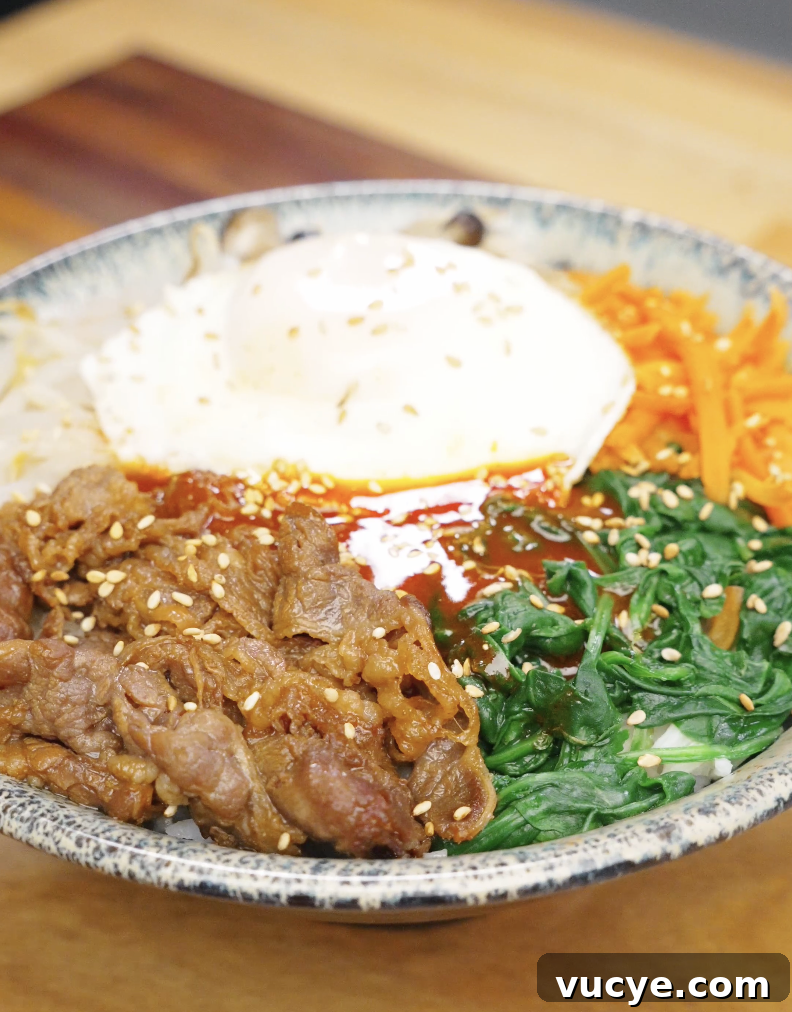
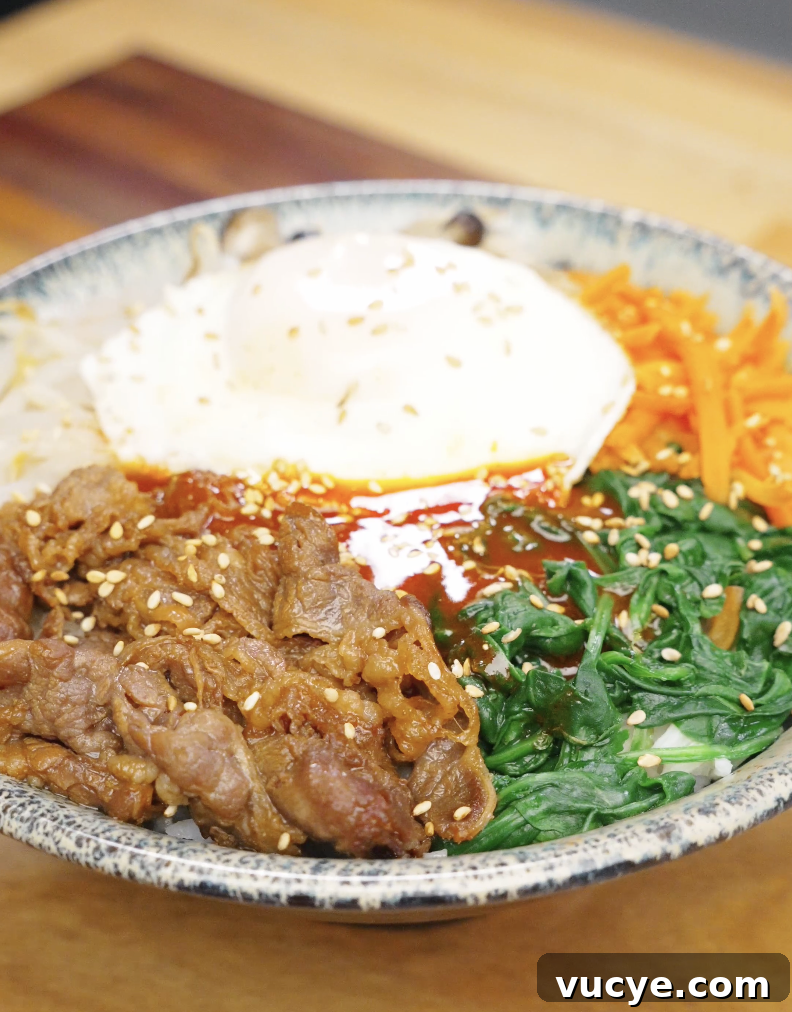
Beef Bibimbap
Equipment
-
Frying Pan
-
Mixing Bowls
-
Steamer
Ingredients
Beef
- 16 oz. thinly sliced beef, can also use shaved beef
- 1 tbsp soy sauce
- 1 tsp sesame oil
- 2 tsp sugar
Bibimbap Sauce
- 2 tbsp gochujang
- 1 tbsp rice vinegar
- 1 tsp sesame oil
- 2 tsp sugar
- 1 clove garlic, minced
Vegetables
- 2 cups spinach
- 1 cup carrots, julienned
- 1½ cups bean sprouts
- 1 cup mushrooms, sliced
- ½ tsp salt
Optional Garnish
- Fried egg
- Sesame seeds
- Rice, for serving
Instructions
-
Whisk together gochujang, rice vinegar, sesame oil, sugar and minced garlic in a small bowl until smooth. Set the sauce aside.
-
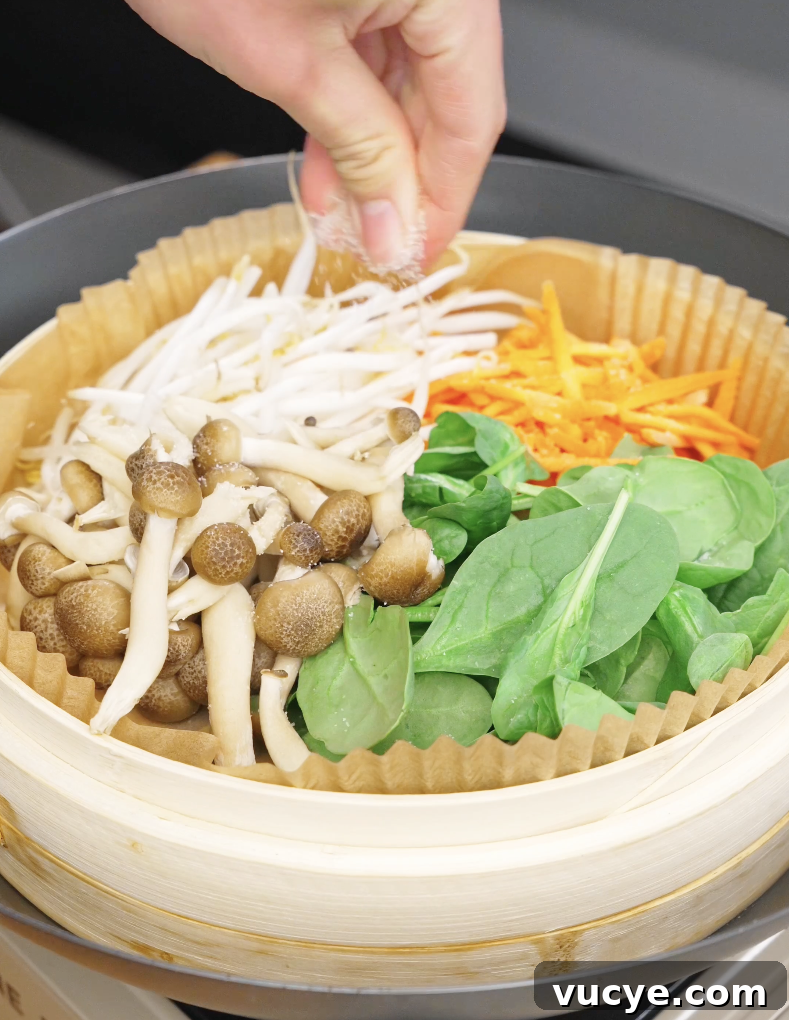
Steam the spinach, carrots, bean sprouts and mushrooms until just tender, season lightly with salt, then set aside.
-
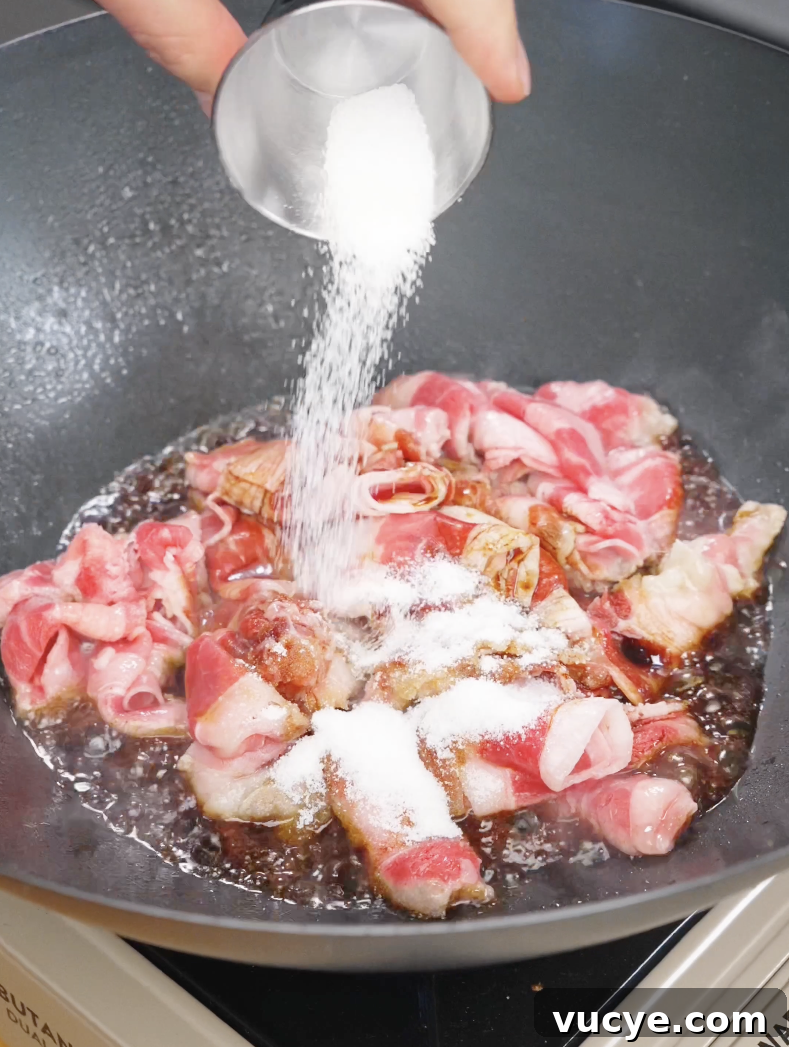
Heat a little neutral oil in a frying pan over medium-high heat. Add the thinly sliced beef and season with soy sauce, sesame oil and sugar. Cook until browned and slightly caramelized at the edges.
-
Divide cooked rice into bowls, arrange the beef and each vegetable on top so they remain separate, then add a fried egg if using.
-
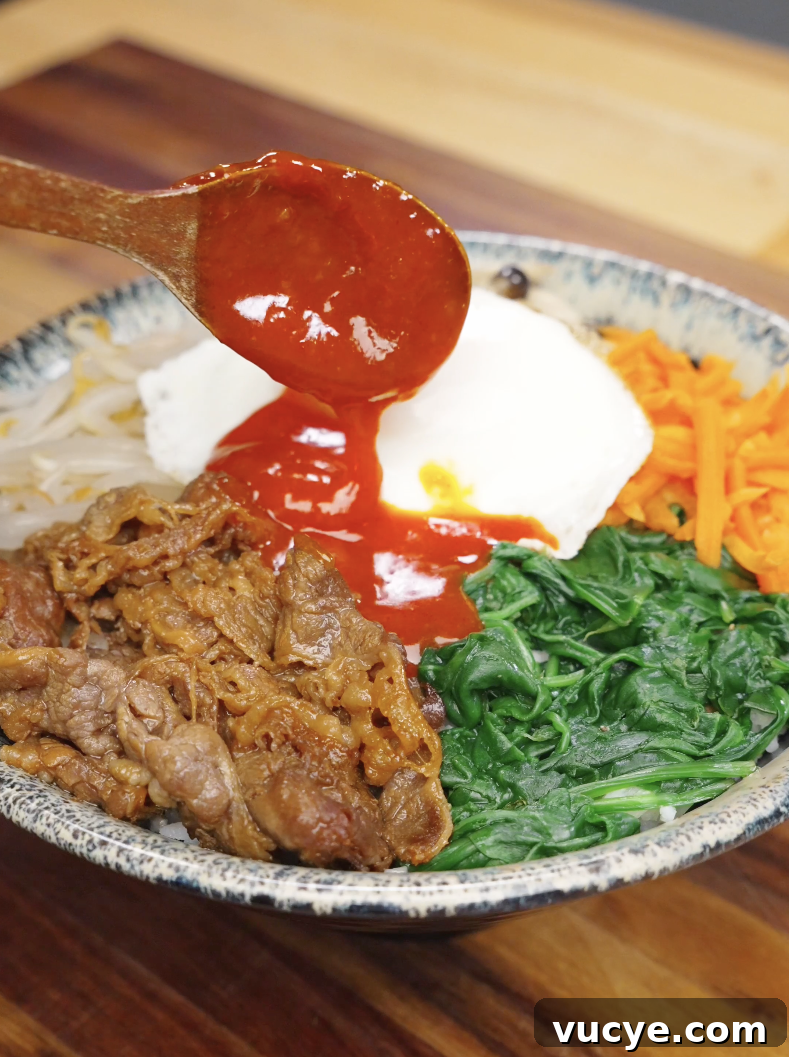
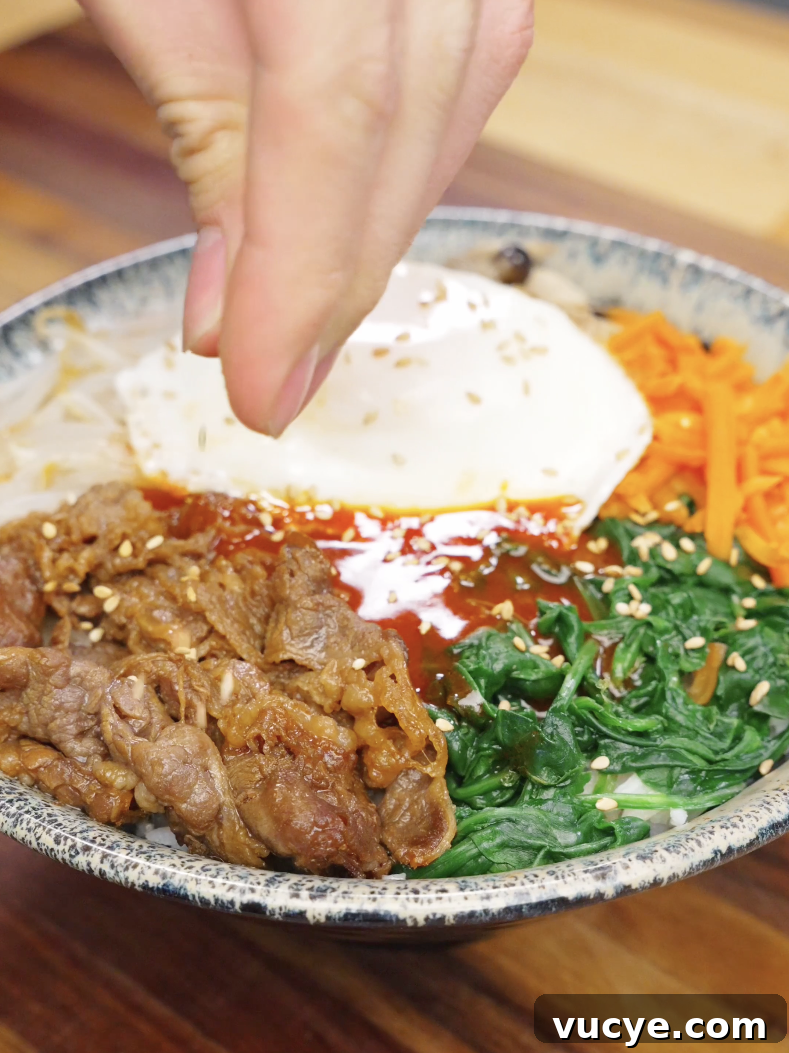
Drizzle the gochujang sauce over the bowl, sprinkle with sesame seeds and mix everything together before eating.
Video
Nutrition
Nutrition information is automatically calculated and should be used as an approximation.
Introduction
This Beef Bibimbap is one of my go-to meals when I want something satisfying, fast and wholesome. It combines tender, seared beef with steamed vegetables, rice and a vibrant gochujang-based sauce. The flavors and textures are balanced, and the recipe is simple enough for weeknights yet special enough for guests.
Why You’ll Love This Beef Bibimbap Recipe
This bibimbap makes a complete meal in one bowl — rice, protein and vegetables — so it’s ideal for busy evenings. The beef is quickly cooked over high heat with soy sauce, sesame oil and a touch of sugar, which gives it a caramelized exterior while keeping the inside juicy. Steamed vegetables add freshness and texture, creating contrast with the rich beef.
The recipe is highly adaptable: swap the beef for chicken, tofu or even spam, and substitute whatever vegetables you have on hand. The gochujang sauce ties everything together with its sweet, spicy and savory notes, giving the dish its characteristic Korean flavor.
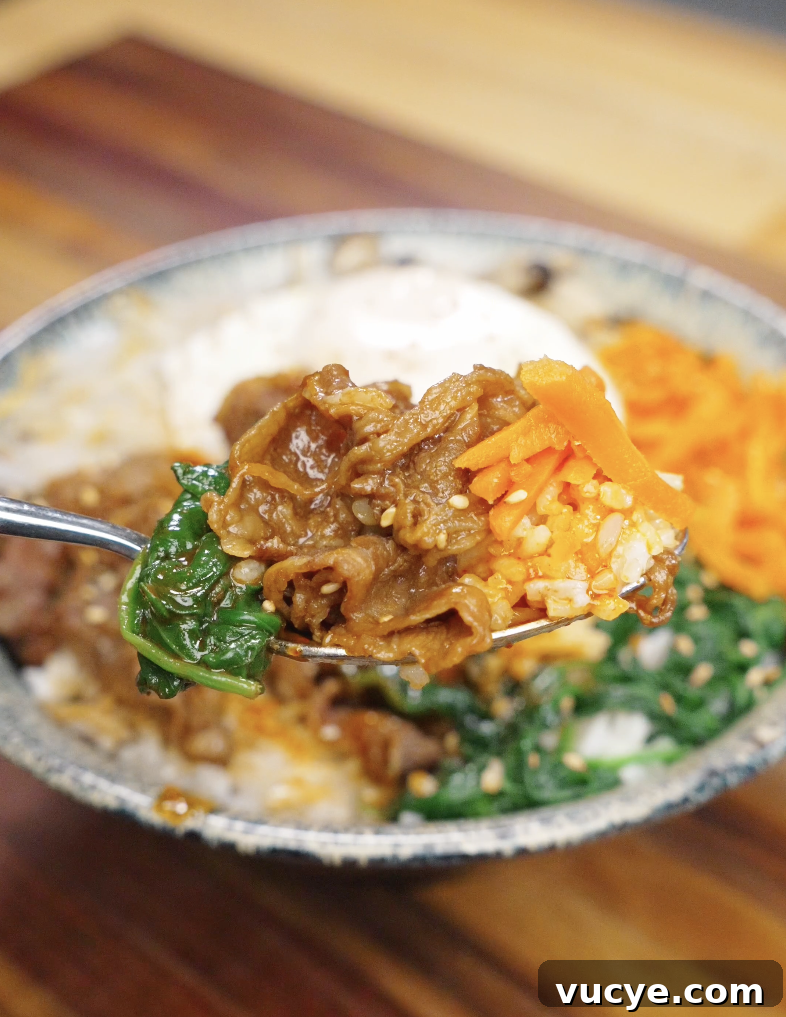
What Makes This Beef Bibimbap Recipe So Good
This recipe focuses on balance: tender, lightly seasoned beef; simply steamed vegetables that retain texture and flavor; and a bold gochujang sauce that brings sweetness, heat and umami. The method keeps each component distinct until you mix them in the bowl, so each bite includes warm rice, juicy beef and crisp vegetables finished with a punchy sauce.
Beef Bibimbap Recipe Ingredients
Thinly sliced beef: Cooks quickly, sears well and stays tender.
Soy sauce, sesame oil and sugar: A simple seasoning for the beef that delivers salty-sweet depth without a long marinade.
Gochujang: The essential component of the bibimbap sauce; it provides spice, umami and sweetness.
Rice vinegar and garlic: Add brightness and aromatic balance to the sauce so it doesn’t feel one-dimensional.
Spinach, carrots, bean sprouts and mushrooms: A colorful mix that adds texture, freshness and contrast to the bowl.
Rice: The base of the dish that soaks up sauce and unifies the ingredients.
Salt and neutral oil: For seasoning and cooking without masking natural flavors.
Fried egg and sesame seeds (optional): Add richness and a finishing texture that elevate the bowl.
How to Make Beef Bibimbap
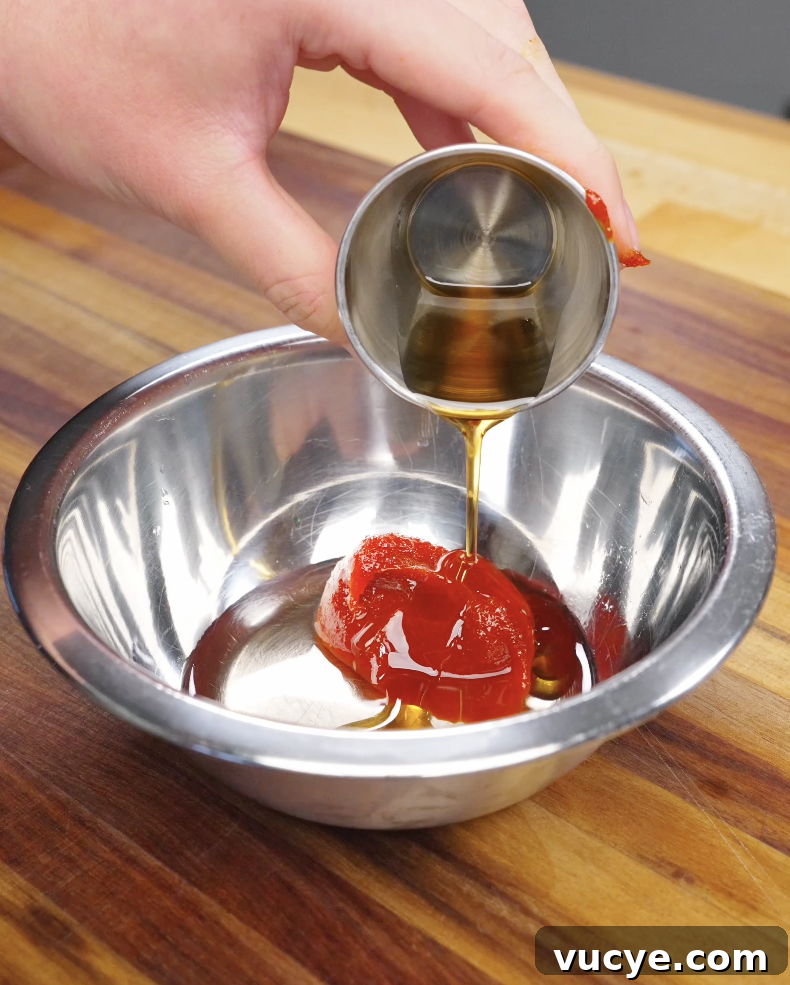
Whisk gochujang, rice vinegar, sesame oil, sugar and minced garlic in a small bowl until smooth, then set aside.
Steam the spinach, carrots, bean sprouts and mushrooms just until tender, season lightly with salt, and keep them warm.
Heat a frying pan over medium-high with a little neutral oil. Add the thinly sliced beef and season with soy sauce, sesame oil and sugar. Cook until the beef is browned and slightly caramelized.
Place hot rice in bowls, arrange the beef and each vegetable on top (keeping them separated), add a fried egg if desired, then spoon the gochujang sauce over everything and garnish with sesame seeds.
What to Serve with Beef Bibimbap
The bowl is a complete meal on its own, but kimchi or other pickled vegetables make excellent accompaniments, cutting through the richness with acidity. Thinly sliced cucumbers, pickled jalapeños or crispy fried onions also work well for added texture.
How to Store Beef Bibimbap For Meal Prep
Store bibimbap in airtight containers in the refrigerator for up to 3–4 days. For best texture, store components separately: rice, beef and vegetables. Reheat the rice and beef first, then add the vegetables and sauce before serving.
Beef Bibimbap Substitutions
This recipe is very flexible. Substitute thinly sliced beef with ground beef, chicken or tofu. If you don’t have gochujang, use a mix of chili paste (like sriracha), soy sauce and a little sugar as a last resort. Use any vegetables you have on hand — this dish is perfect for using leftovers.
What to Make Next
Try other beef recipes such as Beef Chow Fun, Garlic Beef Noodles, or Chili Garlic Butter Noodles for more dinner ideas.