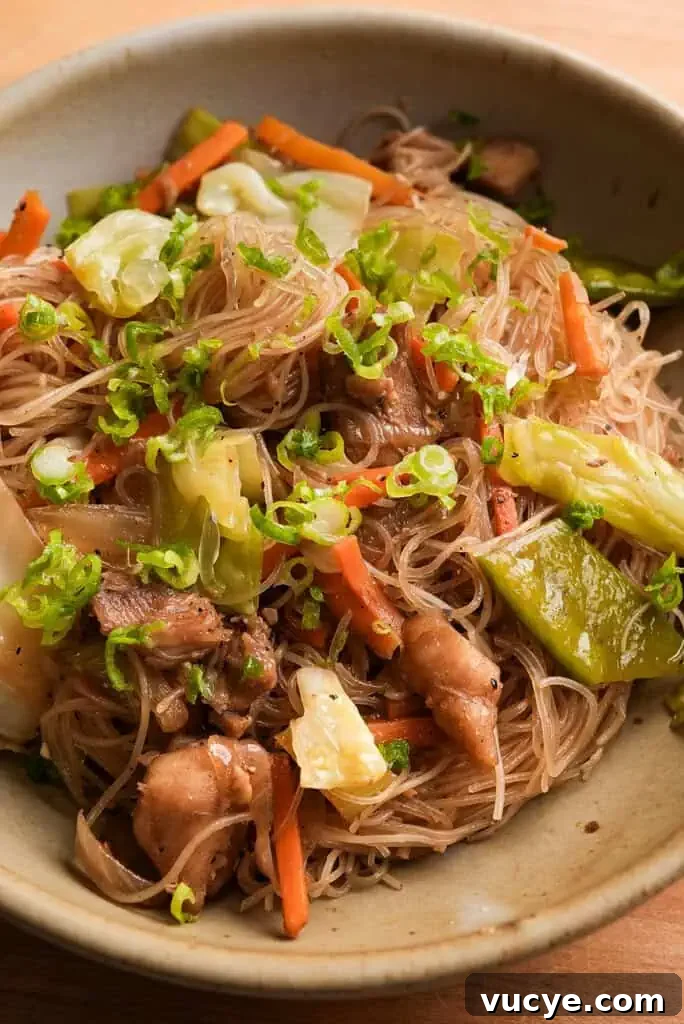
Pancit is a beloved Filipino stir-fry noodle dish that brings together delicate bihon rice noodles, tender chicken thighs, crisp vegetables, and a savory soy-based sauce. Fast to prepare and full of comforting flavors, this pancit bihon recipe is a family favorite that works equally well for weeknight dinners, potlucks, and special celebrations.
If you enjoy noodle dishes, try other variations such as Pancit Canton, Cold Sesame Noodles, Sesame Garlic Ramen, or a Cold Soba Noodle Salad. Each offers a unique texture and flavor profile while showcasing how versatile Asian-style noodles can be.
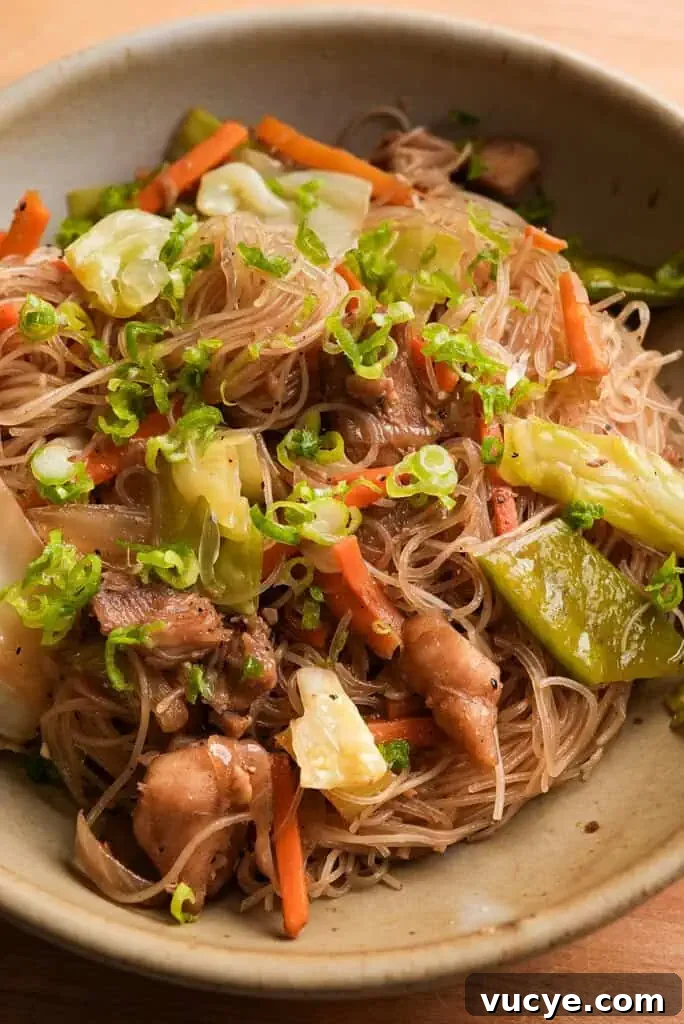
This recipe includes simple pantry-friendly ingredients and is easy to scale. It was inspired by traditional Filipino flavors and adapted for home cooks looking for a straightforward method.
Growing up, pancit was a staple at family gatherings. Every household has its own version, and this pancit bihon focuses on rice noodles simmered gently with chicken and vegetables so they soak up a flavorful broth. In Filipino tradition, noodles symbolize long life, so they are served long and enjoyed without cutting. I like a squeeze of calamansi or lemon on top and a generous serving of scallions for freshness.
Why this pancit recipe works
- Quick and approachable – The active cook time is short, and the method is forgiving, making it ideal for weekday meals.
- Great for gatherings – It feeds several people and reheats well, making it a practical choice for family meals and parties.
- Customizable – Swap chicken for shrimp, pork, or tofu, and use different vegetables to match what you have on hand.
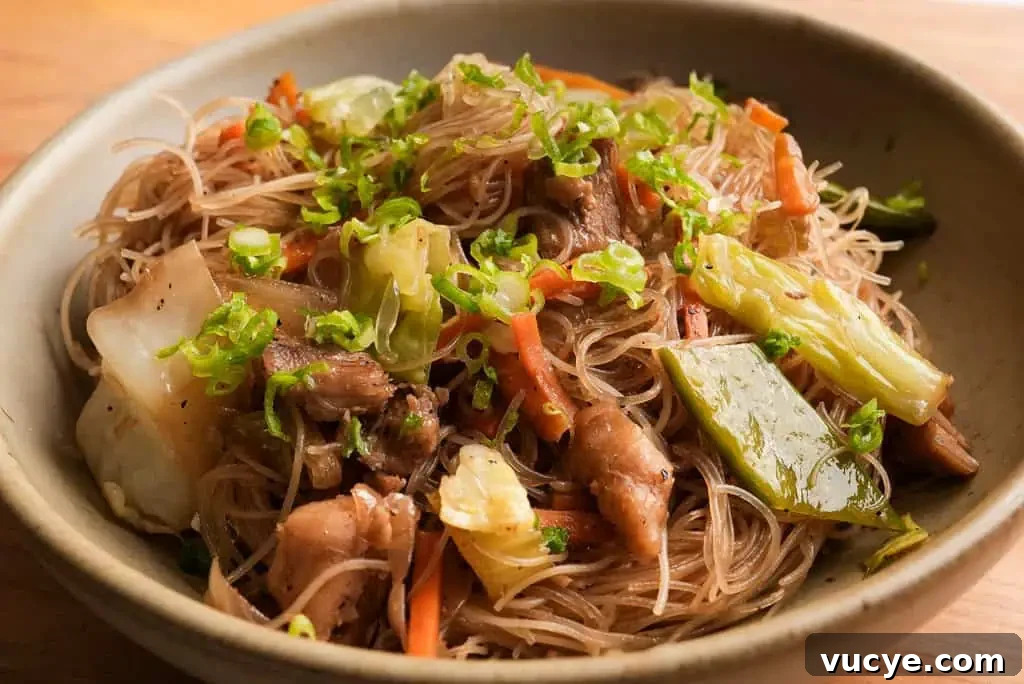
What is pancit?
Pancit is a broad term for Filipino noodle dishes prepared like stir-fries, combining noodles with vegetables, sauce, and usually some protein. Pancit bihon uses thin rice noodles that absorb sauces beautifully, while other regional variations use wheat noodles or thicker rice noodles with different toppings and sauces.
Pancit Canton versus Bihon
The primary difference is the noodles. Bihon are thin rice noodles with a delicate texture, while Pancit Canton uses wheat-based noodles that are chewier and similar to lo mein. Both can share similar vegetables and sauces but offer distinct mouthfeels.
Tools you’ll need
- Wok or large skillet – for even high-heat stir-frying.
- Large mixing bowl – to soak and drain the bihon noodles.

Ingredients you will need for pancit bihon
Below are the main ingredients. Adjust quantities to taste and consult the recipe card at the end for exact amounts.
- Avocado oil (or neutral oil) – for high-heat sautéing.
- Chicken thighs – boneless, skinless, cut into bite-sized pieces.
- Aromatics – yellow onion and garlic for a savory base.
- Vegetables – carrot, celery, green cabbage, and snow peas provide color, texture, and balance.
- Soy sauce – for umami and seasoning; use low-sodium or adjust to taste.
- Chicken broth – low-sodium to control salt, and to give the noodles flavor as they soak it up.
- Pansit bihon noodles – thin rice noodles that soften quickly.
- Coarse black pepper – a finishing spice to brighten the savory notes.
Garnish
- Scallions – thinly sliced for freshness.
- Calamansi or lemon wedges – squeeze on top to brighten the dish.

How to make pancit
This is a concise overview of the cooking method. Follow these steps for a reliable and flavorful pancit bihon.
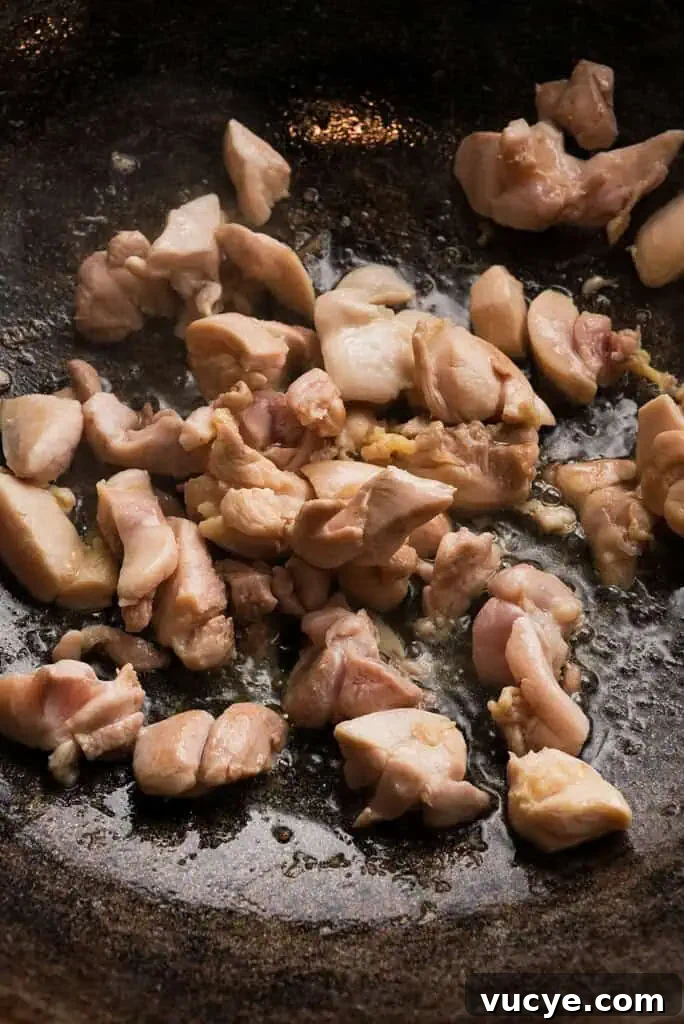
- Add oil to a wok or skillet over medium-high heat. Add the chicken and cook, stirring occasionally, until browned and cooked through, about 10–12 minutes. While the chicken cooks, place the bihon noodles in a large bowl of water to soften.
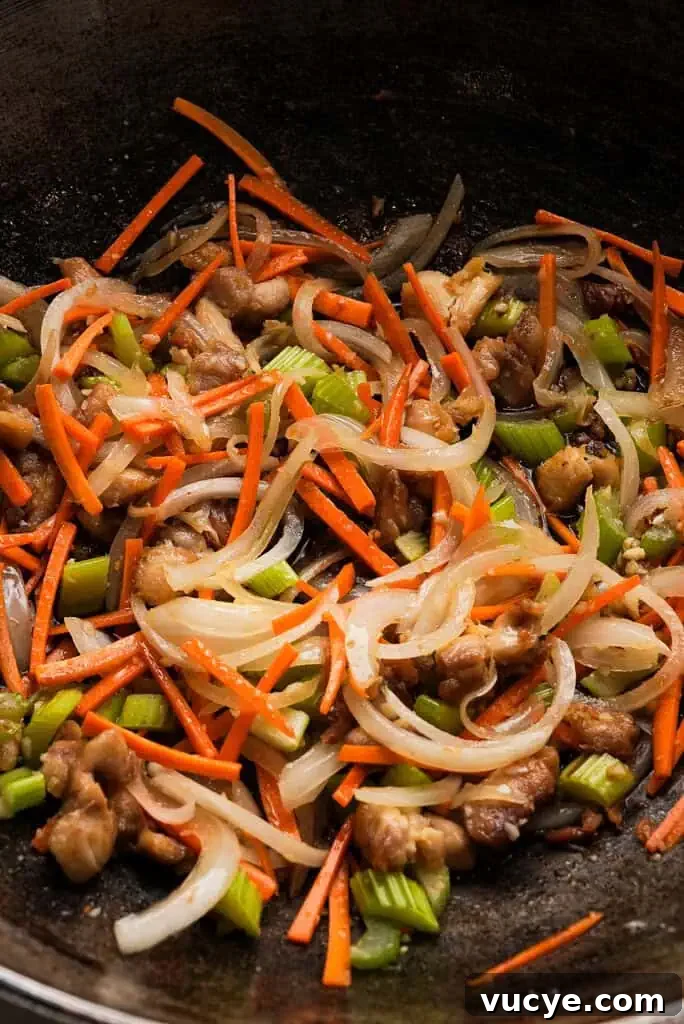
- Add the sliced onion to the pan and stir for about 1 minute, then add garlic and sauté for another minute—take care not to brown the garlic.
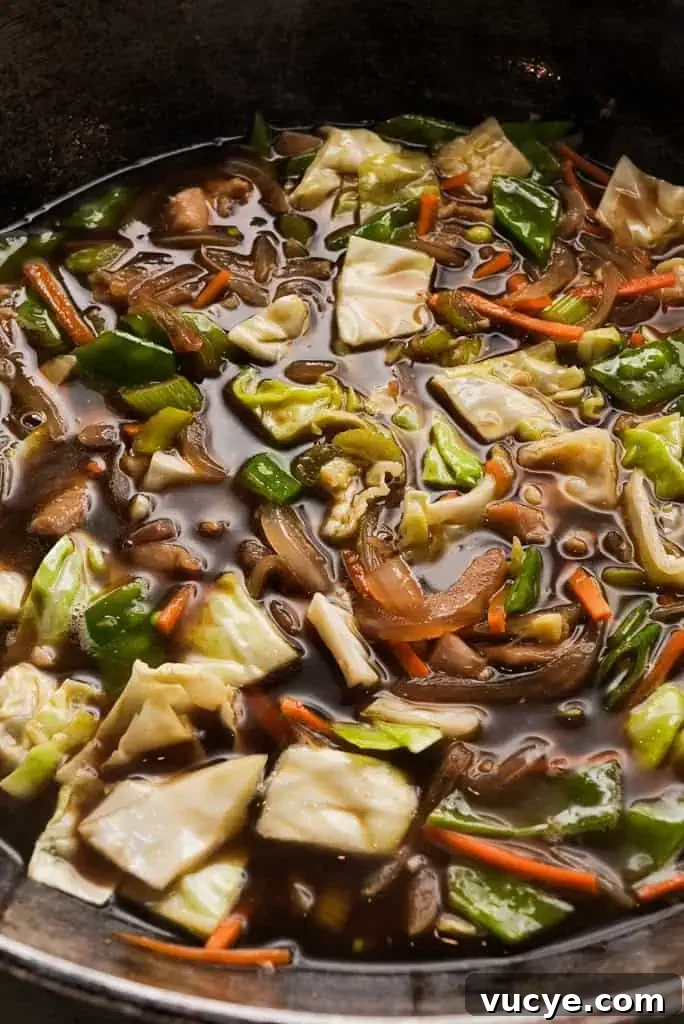
- Add celery and carrot and cook for about 2 minutes. Stir in the soy sauce and cook briefly. Pour in the chicken broth, bring to a boil, then add cabbage and snow peas and cook for 2 minutes until slightly tender.
- Drain the bihon noodles well and add them to the vegetable and chicken mixture. Toss constantly so the noodles absorb the broth and mix evenly with the vegetables and chicken, about 5–6 minutes. Season with coarse black pepper and adjust soy sauce if needed.
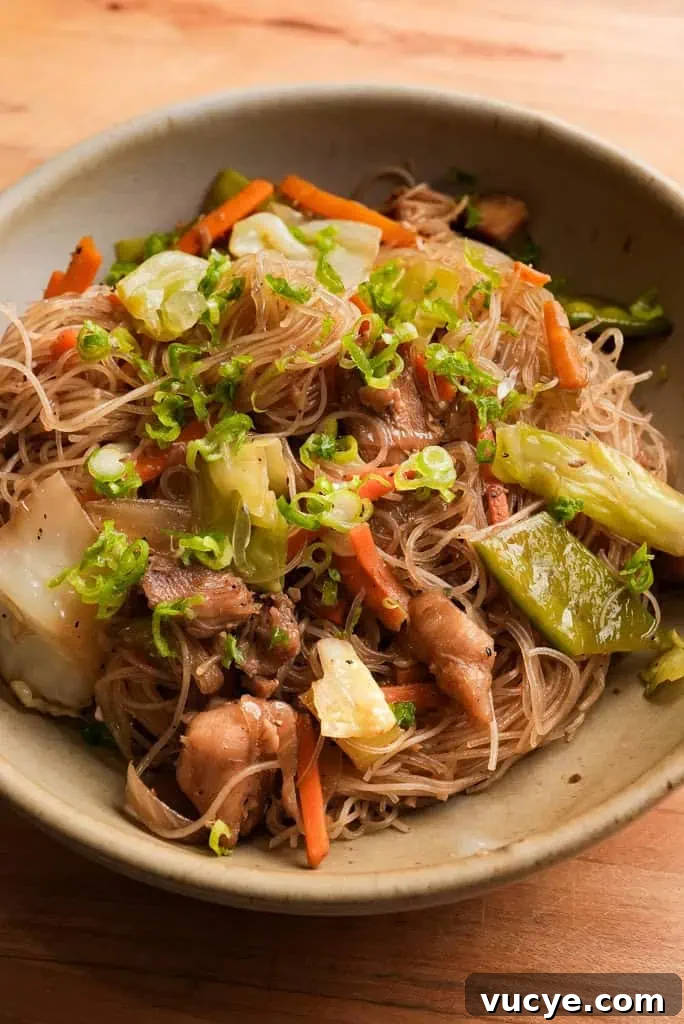
- Serve the pancit distributed into bowls with scallions on top and lemon or calamansi wedges on the side for squeezing. Enjoy warm.

Tips and tricks
- Soak the noodles first so they loosen and absorb flavor without breaking.
- Cut vegetables similarly so they cook evenly; julienne for faster cooking.
- Avoid overcooking the noodles — they should be tender with a slight bite, not mushy.
- Stagger vegetable additions by cooking hard vegetables first and delicate ones at the end.
- Store leftovers in an airtight container for up to four days; add a splash of broth when reheating to refresh the noodles.
Variations
- Protein swaps – use pork, beef, shrimp, Chinese sausage, or tofu for different flavors.
- Noodle options – vermicelli or other rice vermicelli can substitute for bihon in a pinch.
- Vegetable swaps – green beans, broccoli, or bell peppers work well if you want more variety.
- Egg garnish – top with sliced hard-boiled eggs for extra richness and protein.
Frequently asked questions
Is pancit healthy?
Pancit can be a balanced meal when prepared with lean protein, plenty of vegetables, moderate oil, and low-sodium broth. Control the salt by adjusting the soy sauce and broth to suit dietary needs.
What does pancit taste like?
Pancit is savory and slightly sweet from sautéed onions and carrots, with the noodles soaking up umami from soy sauce and broth. Fresh vegetables add crunch and brightness, while a squeeze of citrus finishes the dish.
Can I prepare pancit bihon ahead of time?
Yes. Cook and refrigerate in an airtight container for up to two days. Reheat gently and add a splash of broth or water to prevent the noodles from drying out.
How can I prevent the noodles from sticking together?
Drain soaked noodles thoroughly before adding to the pan, toss often as you combine them with sauce and vegetables, and use a small amount of oil or extra broth if they begin to clump.
Looking for more traditional Filipino recipes?
- Filipino Chicken Adobo
- Biko (Kalamay) – Filipino sticky rice dessert
- Easy Filipino Beef Adobo
- Filipino Pork Adobo
- Sinangag – Filipino garlic fried rice
- Atchara – Filipino pickles
- Mechado – Filipino beef stew
- Filipino BBQ – pork skewers
- Taho – silken tofu with sago
Loving this pancit bihon recipe?
Try the recipe, adjust the vegetables and proteins to your taste, and enjoy a comforting bowl that preserves tradition while fitting modern kitchens. Share your variations with friends and make this classic Filipino dish your own.
Filipino Pancit Bihon
A simple, flavorful pancit bihon with chicken, vegetables, and thin rice noodles. Ready in about 35 minutes and serves four.
Ingredients
- 3 tablespoons avocado oil
- ¾ pound boneless, skinless chicken thighs, cut into 1-inch pieces
- ½ medium yellow onion, halved and thinly sliced
- 2½ tablespoons chopped garlic
- 1 cup julienned carrot
- ⅔ cup sliced celery
- ½ cup + 2 tablespoons soy sauce (adjust to taste)
- 3 cups low-sodium chicken broth
- 2¼ cups green cabbage, cut into 1-inch pieces
- ¾ cup snow peas, trimmed and halved
- 10½ ounces pansit bihon noodles
- ¾ teaspoon coarse black pepper
Garnish
- ½ cup thinly chopped scallions
- Calamansi or lemon wedges for squeezing
Instructions
- Heat oil in a wok or large skillet over medium-high heat. Add chicken and brown, about 10–12 minutes. Meanwhile, soak bihon noodles in a large bowl of water until softened.
- Add onion to the pan and stir for 1 minute, then add garlic and sauté for another minute without browning.
- Add celery and carrot and cook 2 minutes. Stir in soy sauce and cook briefly. Add chicken broth and bring to a boil. Add cabbage and snow peas and cook 2 minutes.
- Drain the bihon noodles and add them to the pan. Toss constantly so the noodles absorb the broth and mix evenly with the vegetables and chicken, about 5–6 minutes. Season with black pepper and additional soy sauce if needed.
- Serve in bowls topped with scallions and served with lemon or calamansi wedges. Enjoy.