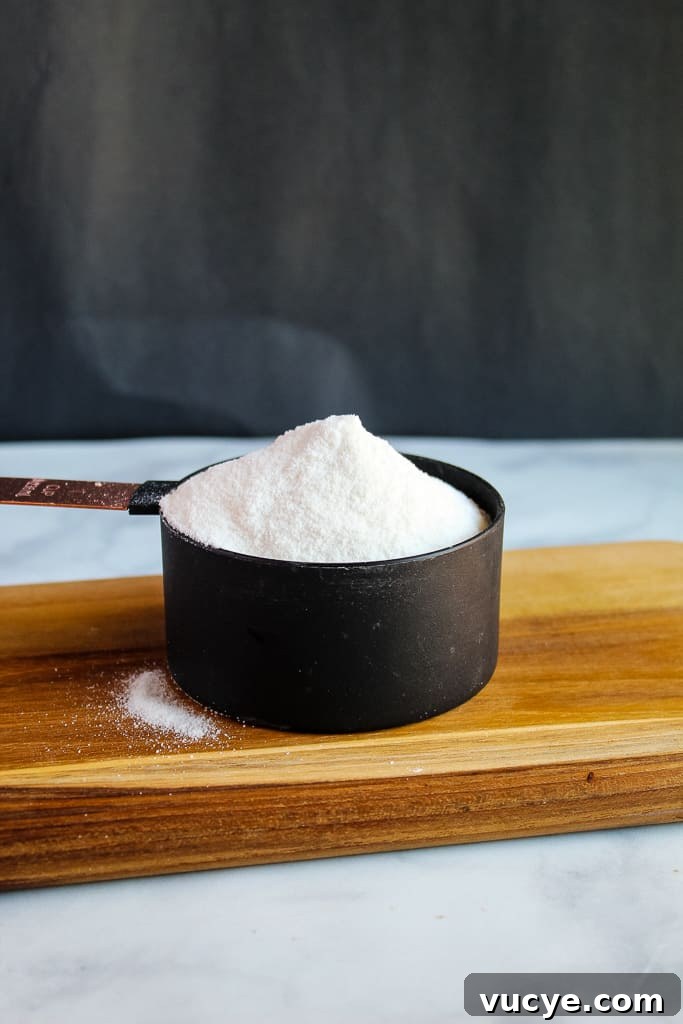
What flours are in your pantry right now? Almond flour? Coconut flour? Hemp flour? (Yes, there really is hemp flour.) What about white rice flour, the essential gluten‑free baking flour? Because it’s versatile, economical and easy to find, white rice flour is a go‑to choice for many people baking without gluten.
White rice flour is one of the foundational flours in gluten‑free baking. Learning how it behaves is like taking an introductory course in gluten‑free baking: once you understand it, your results will improve. Adding white rice flour to your baking toolkit can help you move from gummy, dense loaves to light, pleasant breads and rolls when used correctly.
A Little about White Rice Flour
Rice is one of the world’s major crops, central to many cuisines and cultures. White rice flour is simply rice—usually long or medium grain—that has been ground to a very fine powder. It’s essentially the same grain many of us keep in the pantry, transformed into a flour suitable for baking and thickening.
Nutritionally, white rice flour is high in carbohydrates and relatively low in protein and fat. For this reason it’s not considered as nutrient‑dense as some alternative flours like almond or coconut flour. Still, because of its neutral flavor and texture, it remains a staple ingredient in gluten‑free baking and everyday cooking when a light, unobtrusive flour is desired.
Tips for Using White Rice Flour
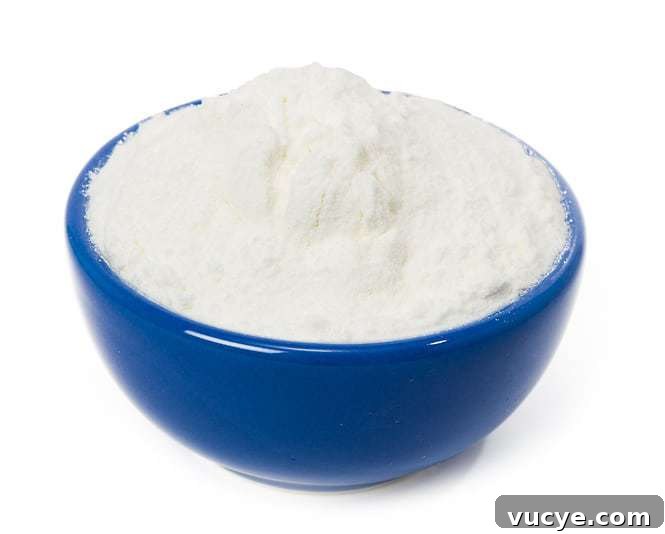
- White rice flour is almost tasteless. That makes it an excellent choice when you want other flavors—chocolate, spices, fruit—to take center stage rather than the flour.
- It has a long shelf life when stored properly. Kept tightly sealed in the refrigerator or freezer, it will stay fresh for months.
- White rice flour is light in texture. Baked goods made with it are less dense than those made with brown rice or some nut flours.
- Because it’s starchy and low in protein, white rice flour tends to absorb moisture. To achieve balanced texture in baked goods, combine it with other gluten‑free flours and starches rather than using it alone.
- Grittiness can be a concern with some rice flours. Choose finely milled white rice flour to avoid a sandy mouthfeel, and blend it with other flours and starches for a smoother crumb.
- White rice flour is widely available. You’ll usually find it in the gluten‑free section of most grocery stores, and it’s commonly sold in Asian markets as well.
- Use it to thicken sauces and soups. It works similarly to all‑purpose flour when used as a thickener, but without gluten, making it useful for gluten‑free cooking.
- Most recipes call for a mix of flours and starches. Rarely will a successful gluten‑free recipe rely on white rice flour alone; combining with tapioca starch, potato starch, sorghum or other flours produces the best texture.
- White rice flour is lower in nutrients compared with some alternatives. If nutritional density is a priority, consider supplementing with higher‑protein or higher‑fat flours elsewhere in your recipes.
- Bring ingredients to room temperature. For the best rise and even texture in rice‑flour breads, let flours and other ingredients warm to room temperature before mixing.
- Rice‑flour rolls and breads can be very satisfying. When used in balanced blends, white rice flour produces tender, flavorful rolls and sandwich breads.
- Measure carefully: spoon the flour into the measuring cup and level it off. Accurate measuring is especially important with gluten‑free flours because small differences can change the outcome.
- Affordability is a strong point. White rice flour is typically one of the least expensive gluten‑free flours, which makes it a practical base for many recipes.
- Some recipes include nonfat dry milk powder alongside white rice flour to add chewiness, flavor and some extra protein. This can improve texture in certain baked goods if dairy is acceptable.
- Brand and grind matter. Texture and performance can vary between brands, so if a particular brand works well for you, it’s worth sticking with it.
- Sorghum flour can often substitute for white rice flour in many recipes if you run out, though results will vary and may require adjustments to hydration.
- If a gluten‑free batter looks thin or soupy, don’t automatically add more flour. Many gluten‑free batters are meant to be more fluid than traditional wheat‑based batters; follow the recipe guidance and trust the intended consistency.
Takeaways
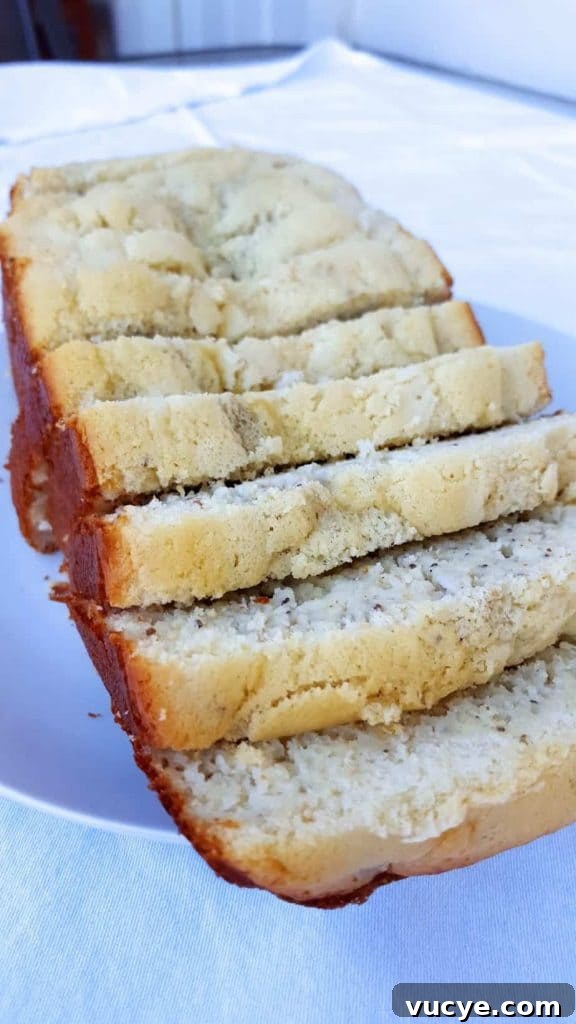
White rice flour is an important and versatile ingredient in gluten‑free baking. It offers a neutral flavor, light texture and good shelf stability. While it is starchy and not as nutrient‑rich as some other flours, it plays a crucial role in balanced gluten‑free flour blends. By combining white rice flour with other flours and starches, measuring carefully and choosing a fine grind, you can achieve excellent results in everything from cakes and cookies to tender sandwich breads and rolls.
Try using white rice flour in your next gluten‑free baking project to see how it improves texture and lets other flavors shine.