My family is originally from the West Coast, where Saturday mornings meant pancakes and waffles and trips to Costco for all the essentials. After my husband changed jobs, we relocated to the Bluegrass and settled in Kentucky. Though geographically it sits between regions, Kentucky’s food culture leans decidedly Southern. Biscuits and gravy show up on nearly every breakfast menu, and many local mills sell self-rising flour with a biscuit recipe printed on the bag. I don’t blame them—Southern biscuits are irresistible, and they’re surprisingly simple to make. This recipe is adapted from the version printed on our local mill’s self-rising flour bag.
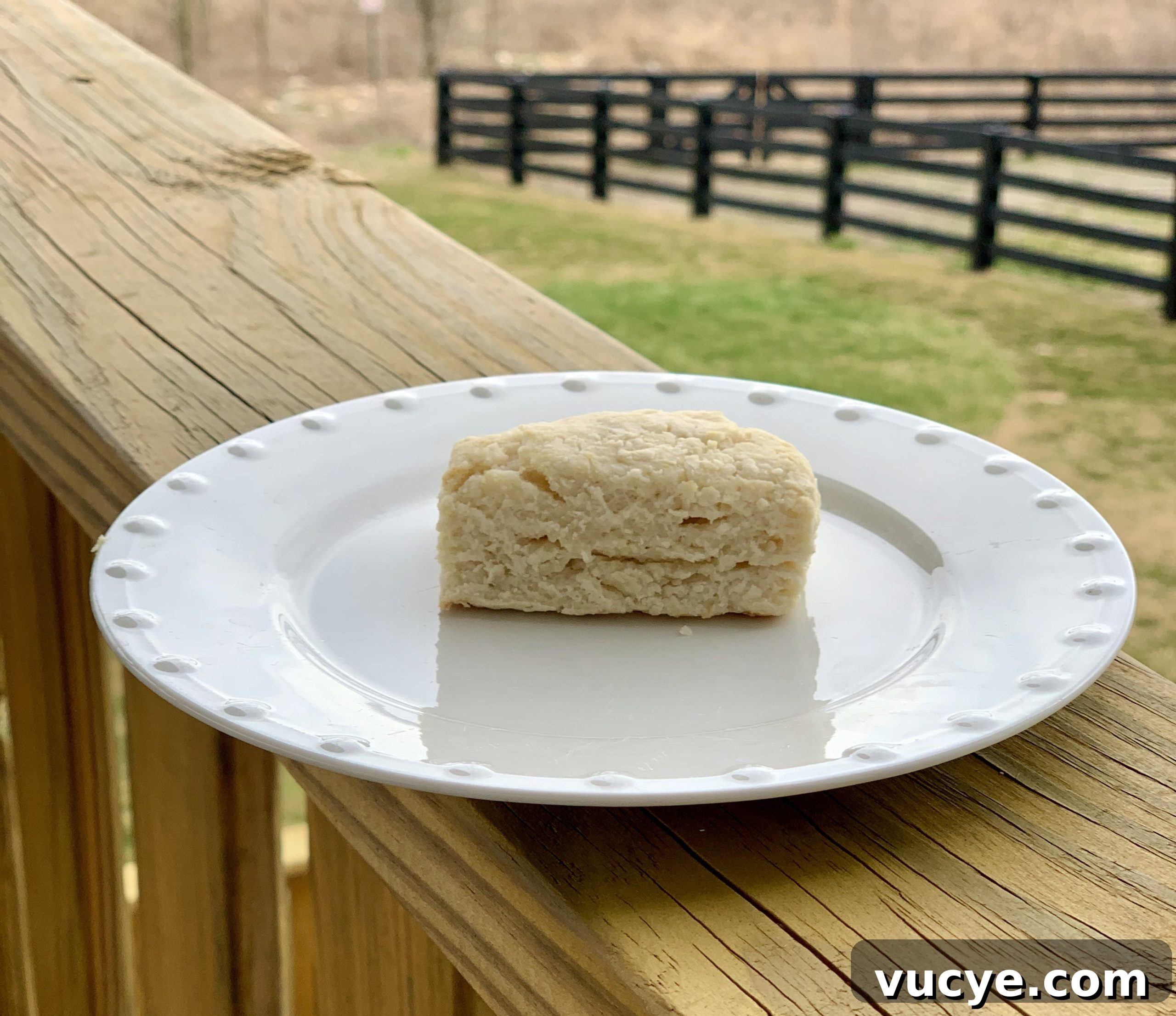
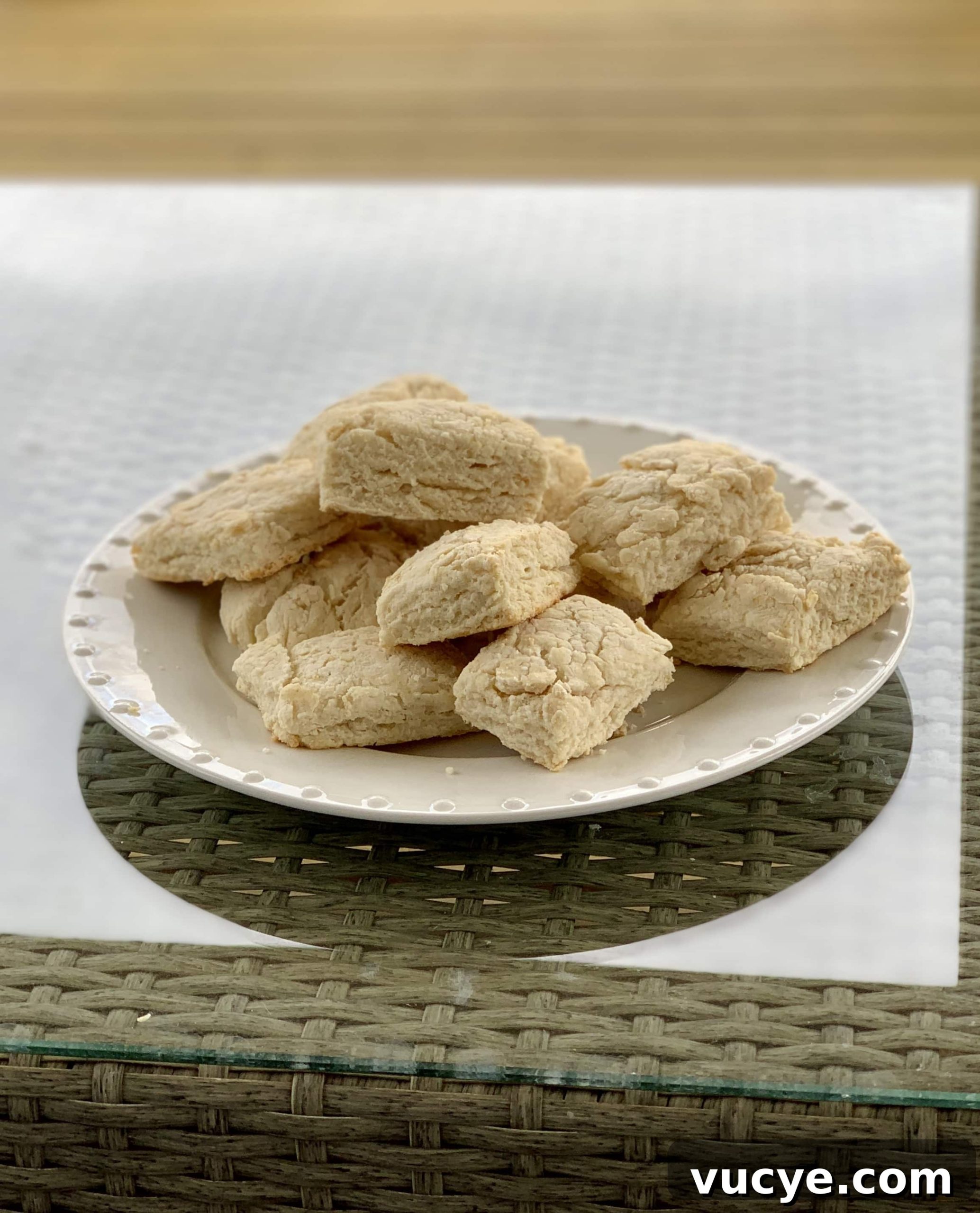
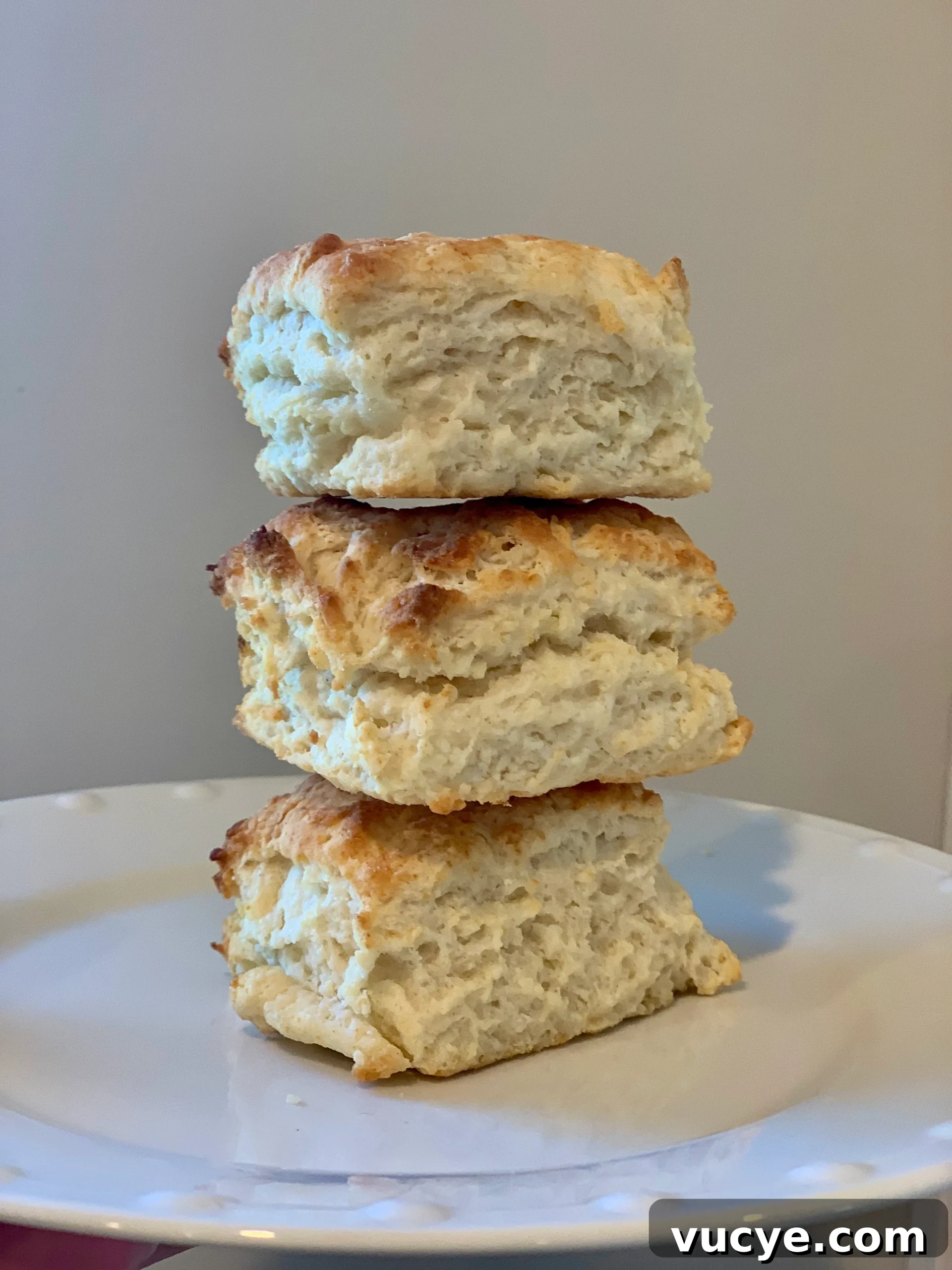
These biscuits require as few as three ingredients if you use self-rising flour, or five if you make them from scratch. They’re perfect as a snack or a side, and they shine at breakfast piled high with sausage gravy, chocolate gravy, or simply butter, honey, and jam.
I consider buttermilk essential for achieving tender, flaky layers. Over the years I tried substitutes, but real buttermilk consistently gives the best texture. If you need an alternative, mix equal parts sour cream and milk and stir in a teaspoon of lemon juice or white vinegar; refrigerate for 5 minutes before using. It will be similar, though not identical.
If you bake with sourdough and keep discard on hand, you can swap cold sourdough discard for the buttermilk. The discard brings a subtle tang and the acidity that helps tenderize the biscuit, producing an exceptionally flavorful result.
A few tips for light, fluffy biscuits:
- Keep everything cold. Cold butter creates steam pockets that help the biscuits rise. Some people chill their mixing bowl or use frozen butter; I work quickly so my hands don’t warm the butter.
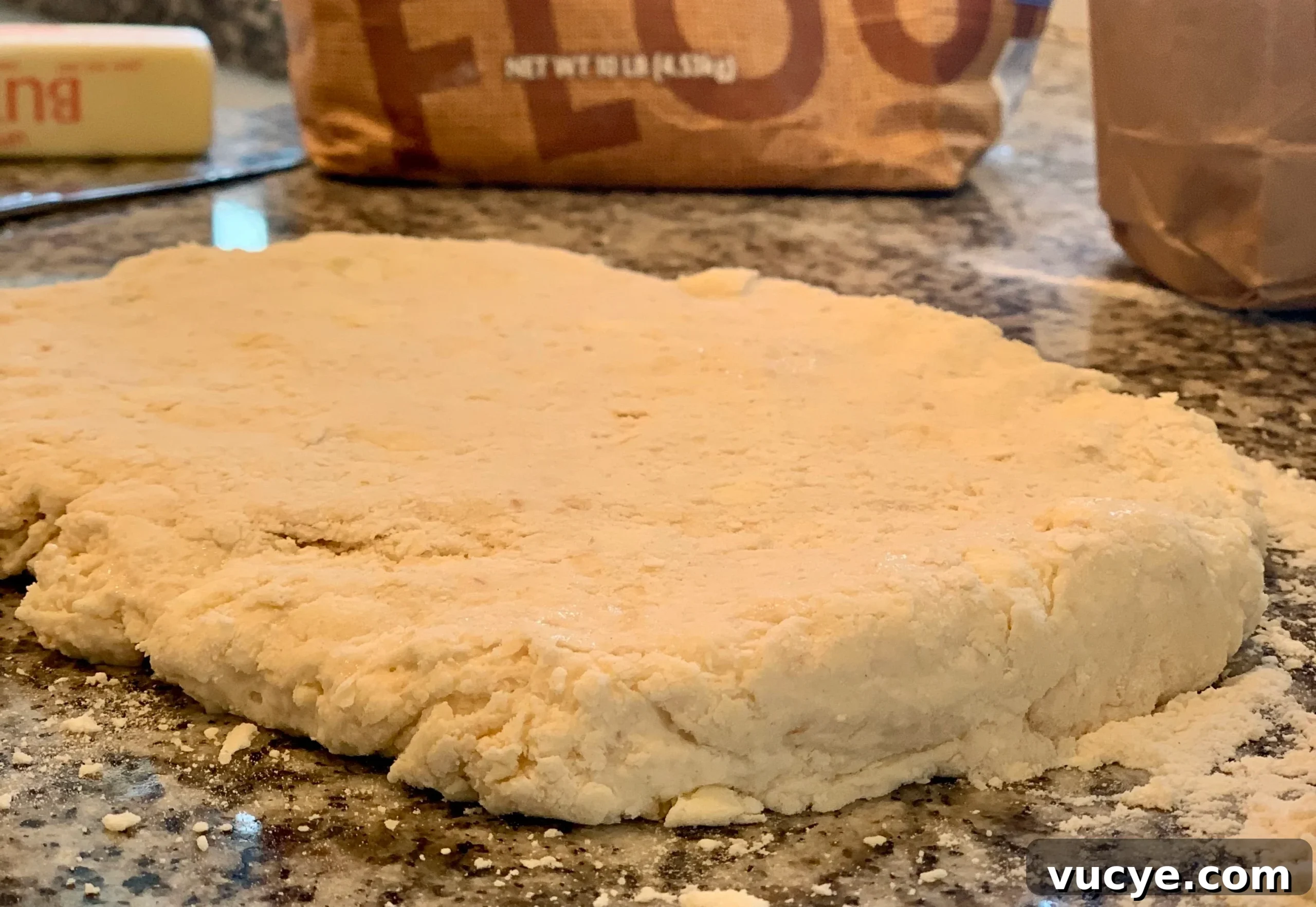
- Roll the dough thick—about 1 to 1½ inches. Rolling too thin will produce dense biscuits.
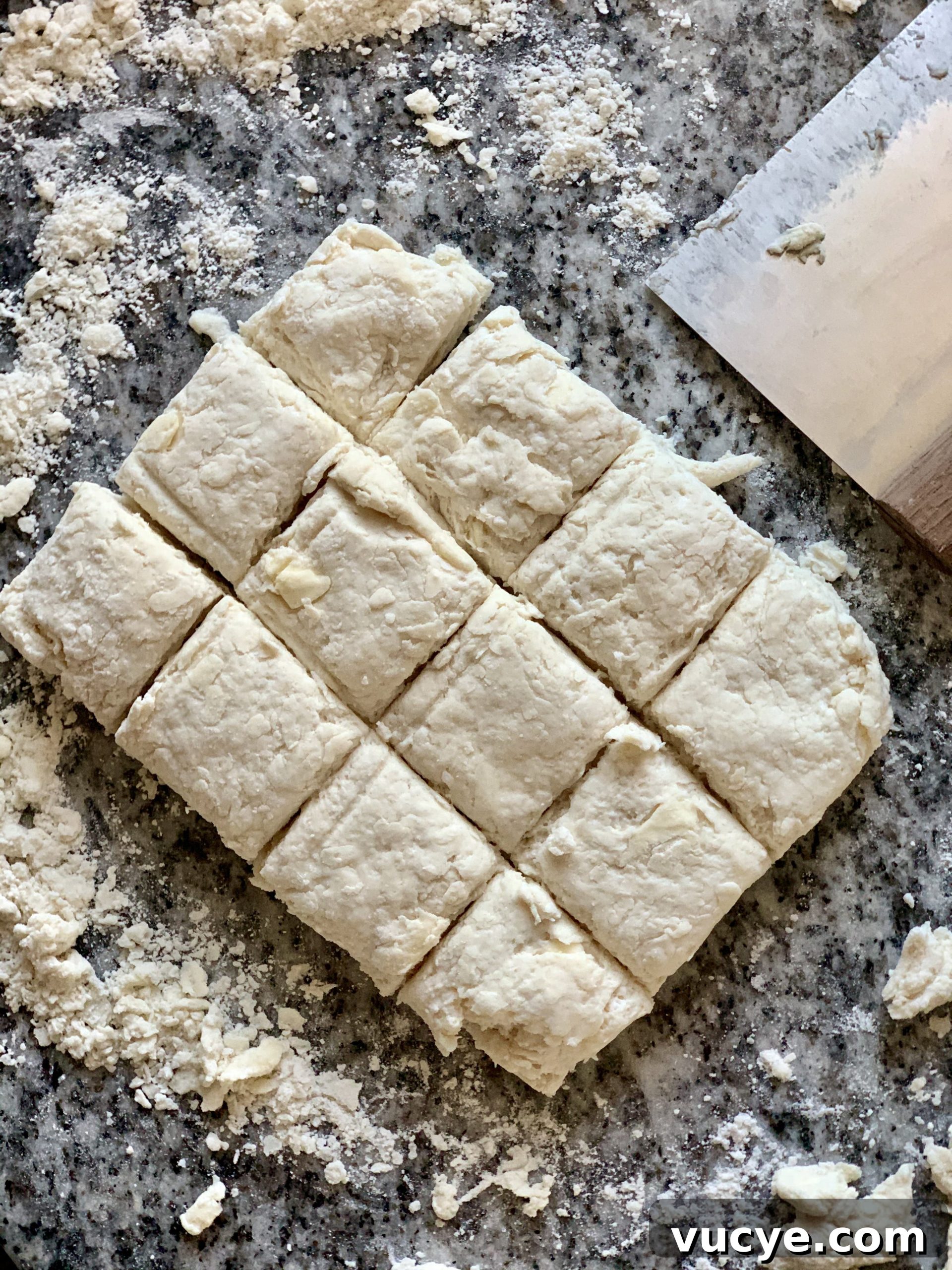
- Use a biscuit cutter, bench knife, or sharp knife to cut the shapes. Avoid twisting the cutter; twisting seals the layers and reduces rise.
- Handle the dough lightly and avoid over-mixing. Like pie crust, biscuit dough should be gently combined to prevent too much gluten development.
Follow these steps and you’ll have delicious biscuits every time. Without further ado, here’s the recipe for classic Southern biscuits.
Ingredients:
Buttermilk Biscuits
- 2 cups plain flour (pastry flour or all-purpose)
- 1 tablespoon baking powder
- ½ teaspoon salt
- ½ cup butter (1 stick), preferably unsalted
- ¾ cup cold buttermilk
If you prefer, try the sourdough version below for a different flavor profile.
Sourdough Discard Biscuits
- 2 cups plain flour (pastry flour or all-purpose)
- 1 tablespoon baking powder
- ½ teaspoon salt
- ½ cup butter (1 stick), preferably unsalted
- 1 cup cold sourdough discard
Note: If using self-rising flour, omit the salt and baking powder. If the dough feels dry, add a splash of buttermilk until it comes together.
Directions:
- Preheat the oven to 450°F (232°C).
- Whisk the flour, baking powder, and salt together in a bowl.
- Cut cold butter into the flour using a pastry cutter, box grater, or your fingertips until the mixture resembles coarse crumbs with pea-sized pieces of butter. The colder the butter, the flakier the result.
- Make a well in the flour and add the cold buttermilk or cold sourdough discard. Stir with a fork until the dough just comes together.
- Turn the dough onto a lightly floured surface, fold it over two to three times, and pat into a square or circle.
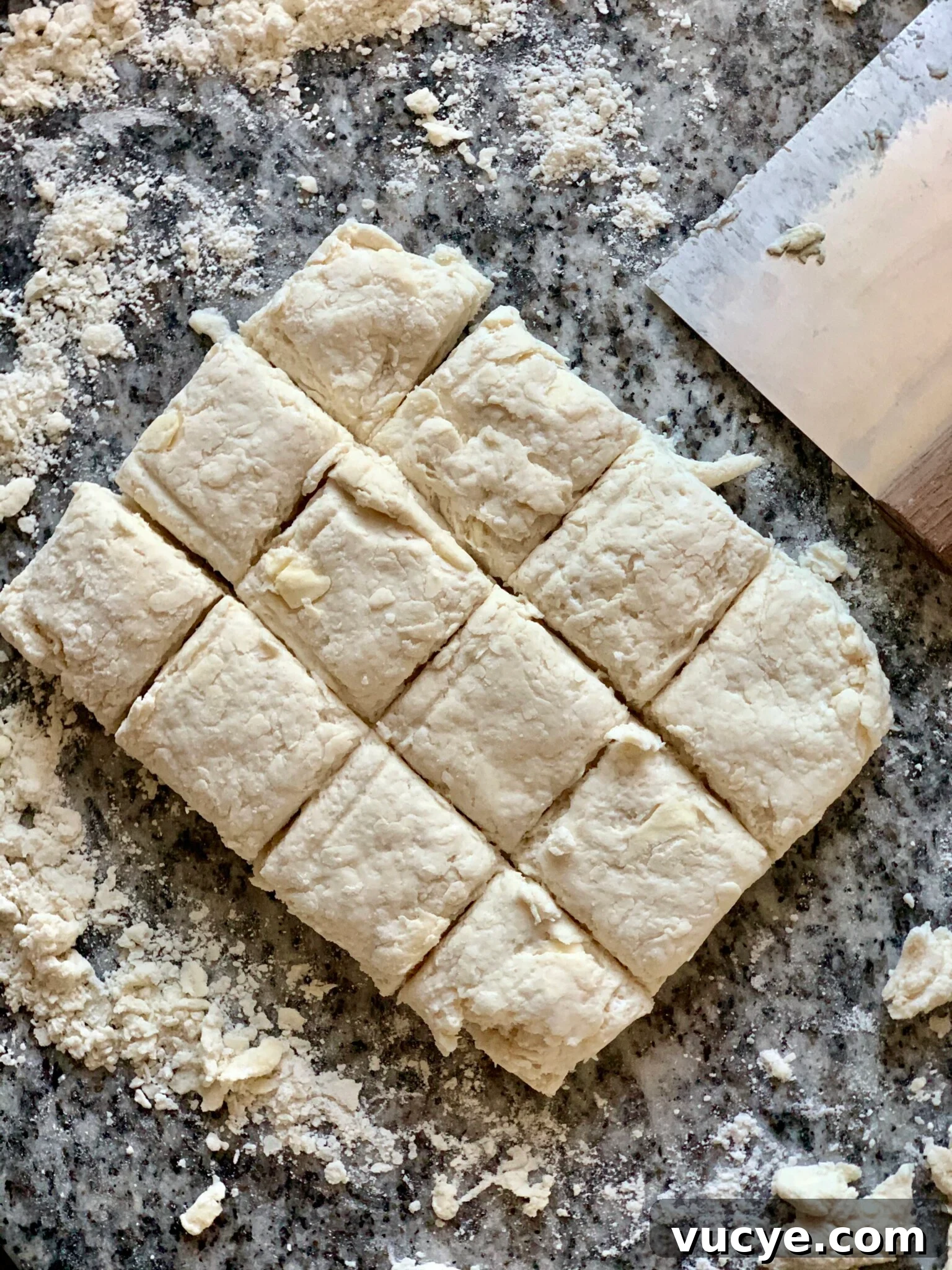
- Roll or press the dough to 1–1½ inches thick. Use a bench knife to cut rectangular biscuits or a floured biscuit cutter for rounds.
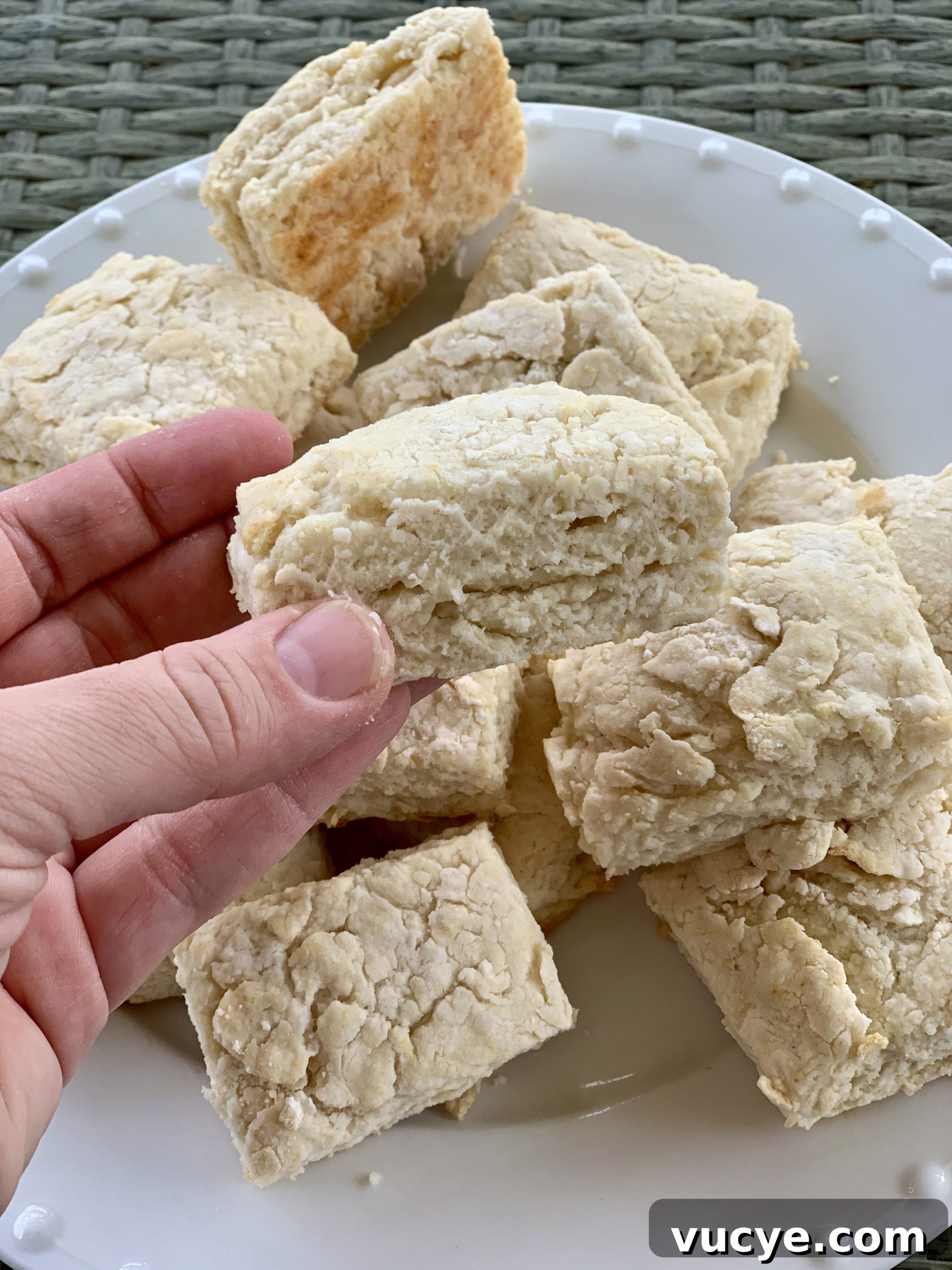
- Place biscuits on a parchment-lined baking sheet. For soft sides, place biscuits touching in the center of the pan; for crispier edges, space them apart.
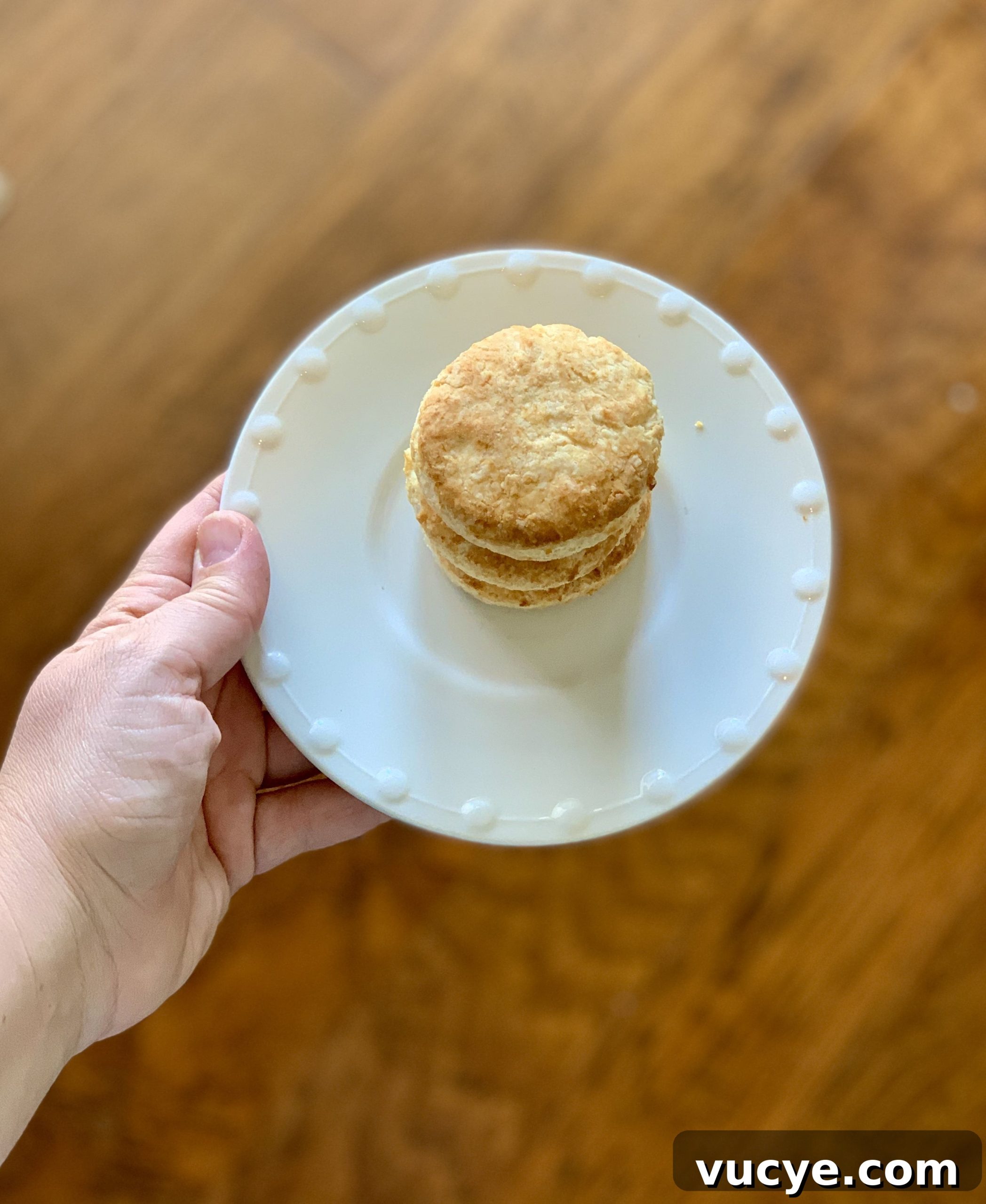
- Bake 10–12 minutes until golden. Brush tops with melted butter and serve warm.
Recipe notes: You can substitute shortening for butter if you prefer. Using cold ingredients and minimal handling will produce the best, flakiest biscuits.
Please share this recipe if you enjoyed it! Post a photo and tag @amybakesbread so I can see your bake.
Follow me on Instagram @amybakesbread or like Amy Bakes Bread on Facebook for more baking ideas.