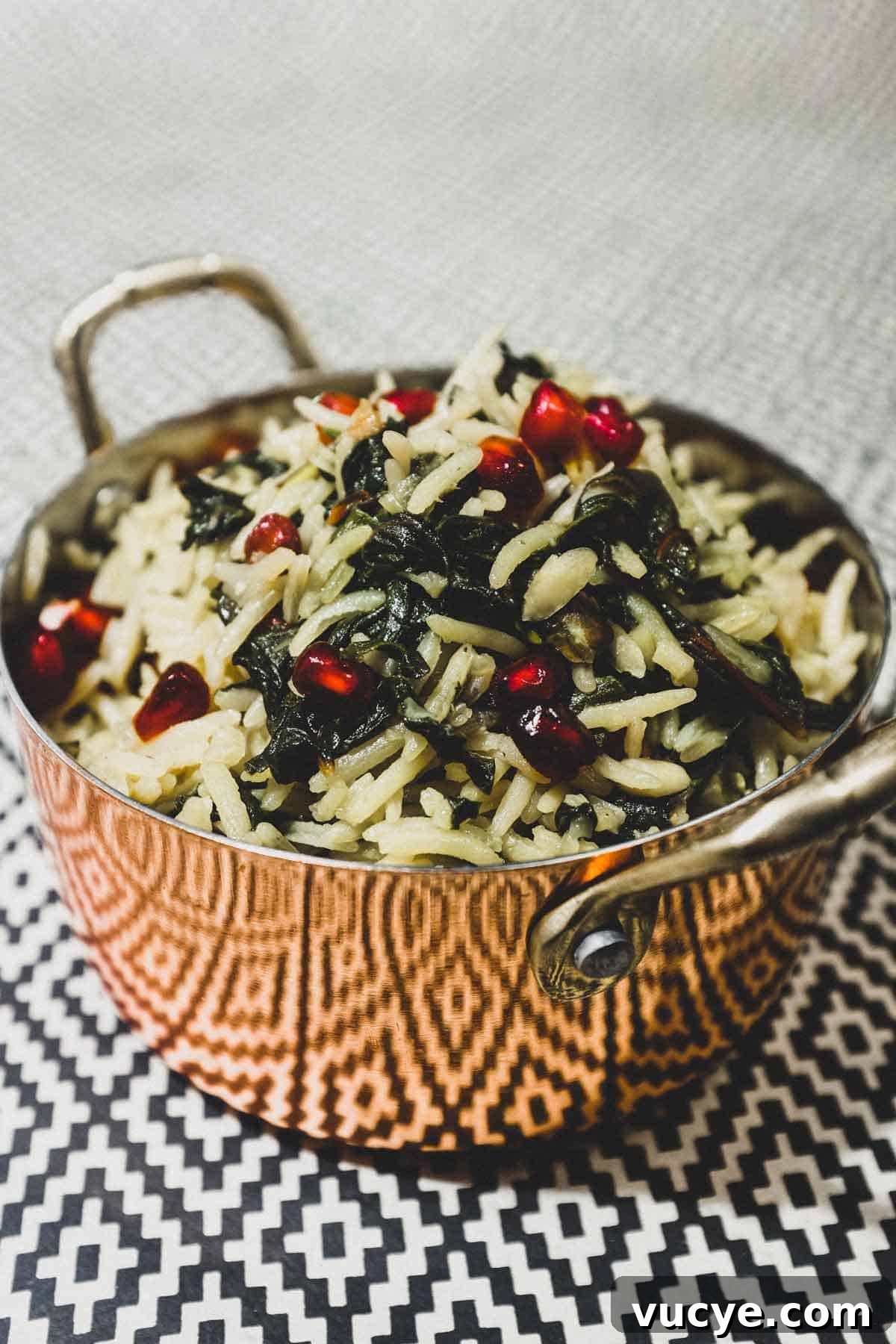
Moroccan Rice with Silverbeet
By Lee Jackson ↣ Published on: January 17, 2020
This Moroccan-style rice, enriched with the sweet, earthy character of silverbeet (also known as chard), is both simple and impressive. Lightly spiced and studded with nuts, it makes a flexible side that complements a wide range of Mediterranean and Middle Eastern dishes.
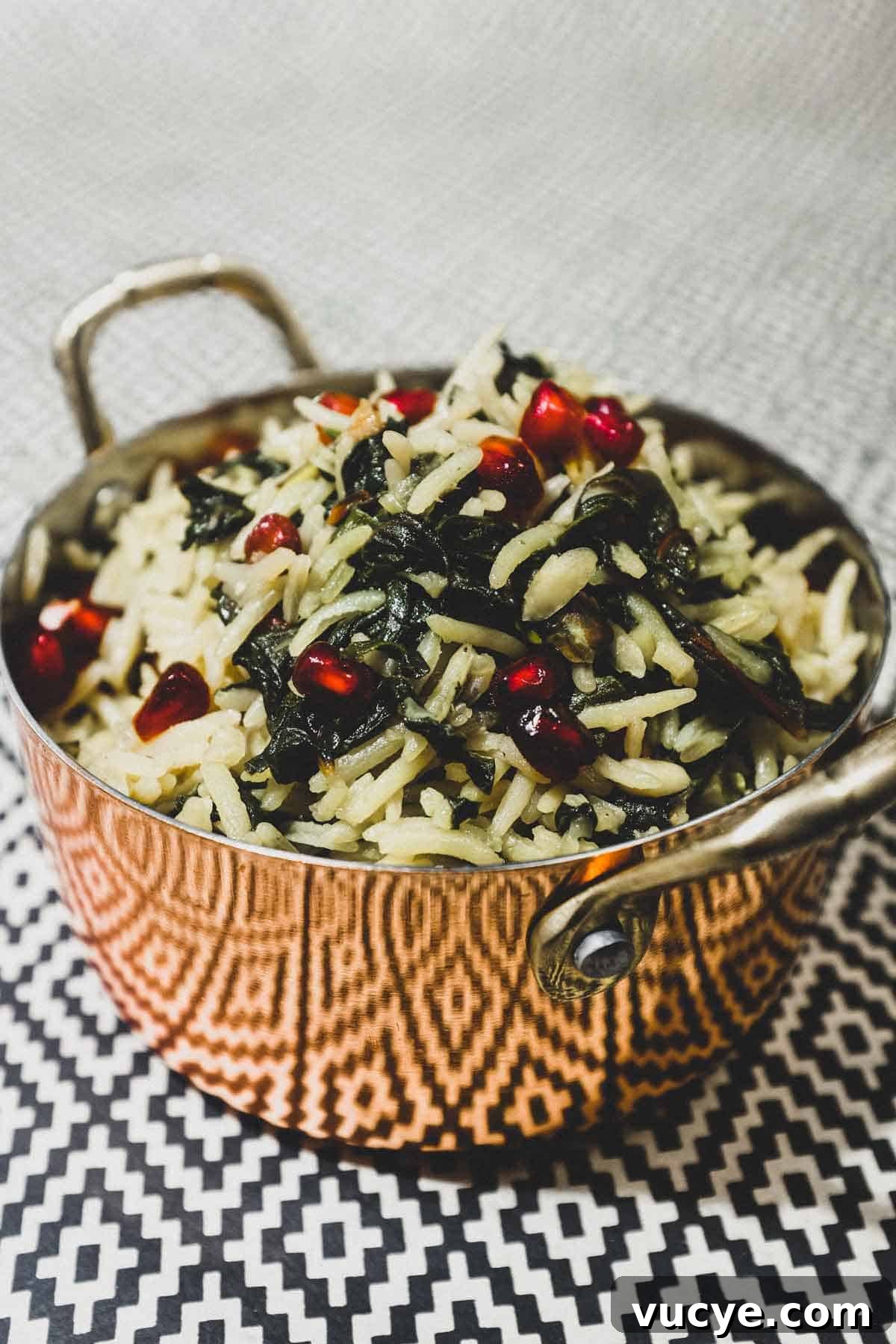
I love this recipe because it balances the fragrant softness of basmati rice with the earthy, slightly sweet greens of silverbeet. Prepared in a pilaf style, the rice absorbs the spiced cooking liquid and the aromatics, producing fluffy grains and concentrated flavour.
The dish is highly versatile: serve it alongside grilled meats, roasted vegetables, fish, or as part of a mezze spread. It also travels well, making it a useful dish for picnics or packed lunches.
What’s Ahead?
This article explains what silverbeet is, why this rice works so well, the ingredients you’ll need, step-by-step cooking instructions, serving and storage tips, and a short FAQ to answer common questions.
What is Silverbeet?
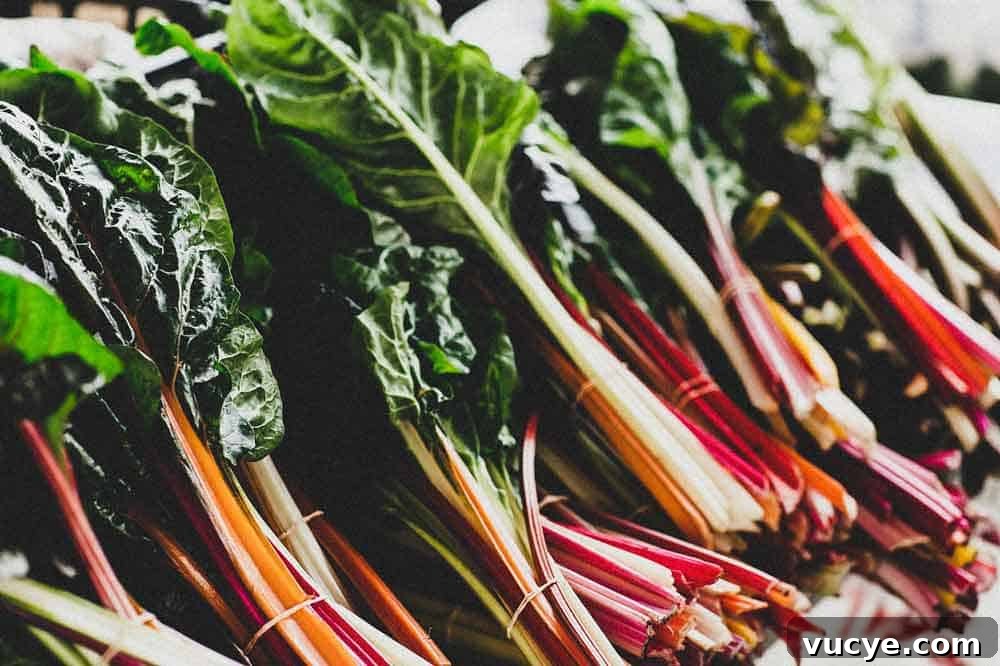
Silverbeet is a leafy green known by many names: chard, Swiss chard, and sometimes simply “chard.” It appears in varieties with differently coloured stems and veins; the rainbow types with red, yellow or white ribs are especially attractive. The leaves are tender and earthy, with a mild beet-like sweetness. Both stems and leaves are edible—cook the stems a little longer than the leaves for even texture.
Nutritionally, silverbeet is dense with vitamins and minerals, particularly vitamin K, vitamin A, vitamin C, folate and potassium, making it a healthy and flavourful addition to many dishes.
Why it works?
Versatility: This pilaf-style rice is excellent warm or at room temperature and complements many main dishes. The method—briefly frying aromatics and greens, then cooking rice in stock—delivers fragrant, separate grains that pick up the flavours of the spices and nuts.
Stuff You’ll Need
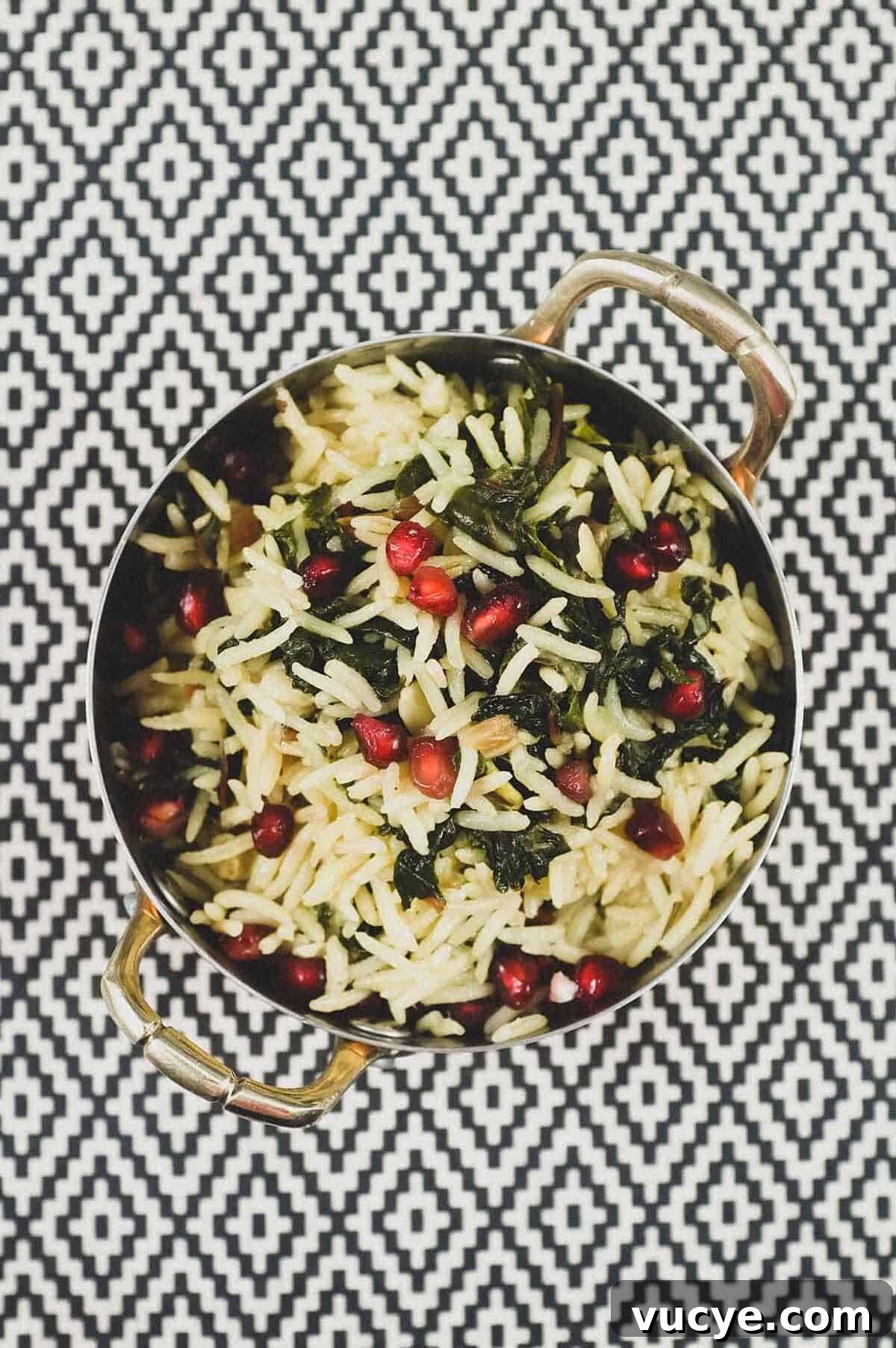
These are the core ingredients and flavours that give this recipe its character:
- Rice – long-grain basmati is ideal for its fragrance and separate grains.
- Onion – finely diced for a savory base.
- Silverbeet – leaves and stems separated; stems chopped and cooked slightly longer.
- Spices – ground cumin and paprika add warm, North African notes.
- Stock – vegetable or chicken stock gives depth to the pilaf.
- Nuts – pistachios and slivered almonds supply crunch and richness.
- Pomegranate seeds (optional) – a bright, tart garnish that contrasts the earthy flavours.
Step by Step
Follow these steps for reliable results and fluffy, flavourful rice.
- Sauté aromatics: Heat olive oil in a saucepan over medium heat. Add the diced onion and the chopped silverbeet stems. Cook 3–4 minutes until soft and translucent.
- Add spices and nuts: Stir in ground cumin and paprika, then add pistachios and almonds. Sauté briefly to release their aromas.
- Wilt the leaves: Add the silverbeet leaves and cook until they have wilted and most of their moisture has evaporated, about 3–4 minutes.
- Combine with rice: Stir in the rinsed rice for a minute so each grain is coated with oil and flavour.
- Add stock and simmer: Pour in the stock, season with salt and pepper, bring to a boil without stirring, then reduce the heat to very low. Cover and cook 12–15 minutes until the stock is absorbed and the rice starts to cling slightly to the pan.
- Steam and rest: Remove from heat. Lift the lid and lay a clean tea towel or paper towel over the pan, then replace the lid. Let the rice rest for 30 minutes to finish steaming—this yields the best, fluffiest pilaf texture.
- Finish: Fluff the rice with a fork, then scatter pomegranate seeds or chopped fresh herbs if using. Serve warm or at room temperature.
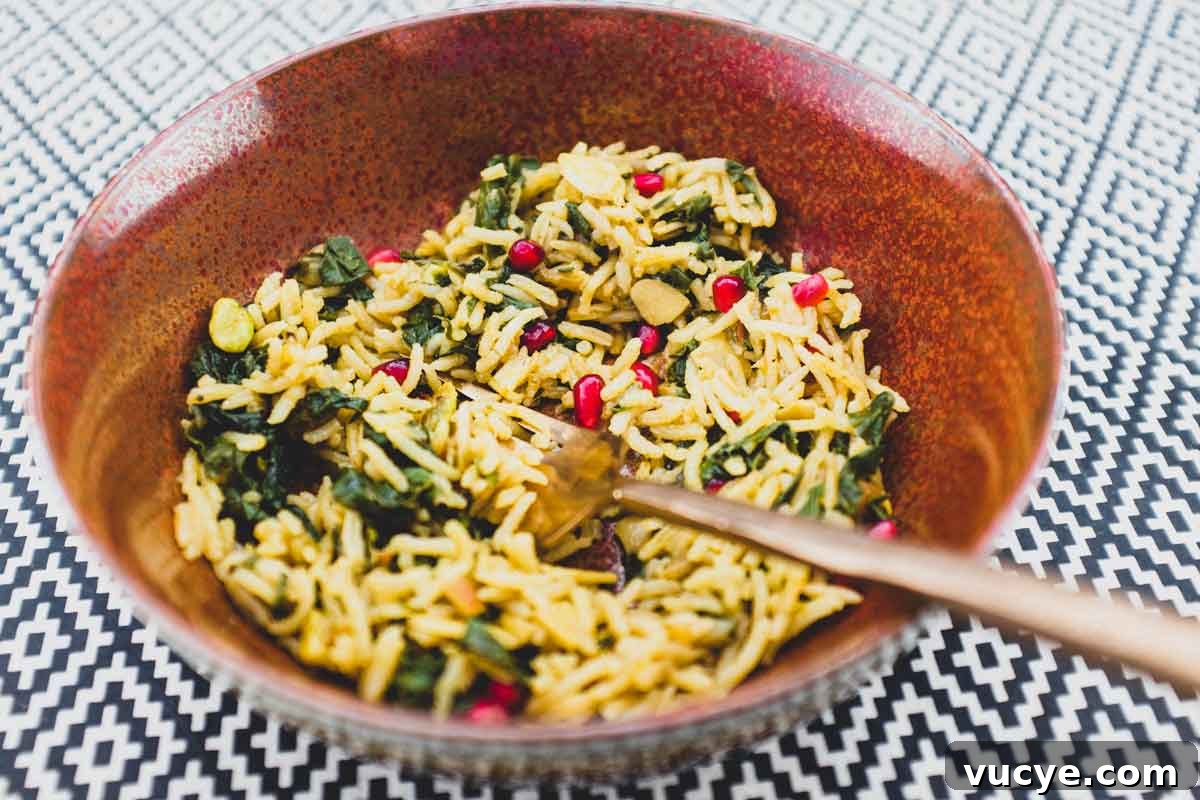
Serving & Storage Suggestions
This rice is delicious warm, but also fine at room temperature, which makes it excellent for buffets and picnics. It pairs well with roasted or grilled meats, stews, or simply with a plate of mezze-style salads and dips.
- Fridge: Store in an airtight container for 4–5 days.
- Freezer: The rice freezes well. Reheat from frozen or defrosted until piping hot; stir once or twice while reheating to distribute heat evenly.
Ready to get cooking?
This dish highlights the fragrant lift of basmati rice and the wholesome, slightly sweet greens of silverbeet. With simple spices and a few nuts, it becomes a showstopping but easy-to-make side. I hope you enjoy making and sharing it.
More recipes
If you enjoyed this recipe, try it with spiced grilled meats, roasted vegetables, or other Mediterranean-inspired dishes — it pairs especially well with braised lamb, grilled chicken, and lemony fish preparations.
- Middle Eastern spiced kebabs
- Roasted cauliflower and garlic couscous
- Chilled vegetable salads and mezze plates
Any Questions? (FAQ)
Have a question about this dish? Leave a comment and I’ll respond.
What is silverbeet?
Silverbeet, also called Swiss chard, is a leafy green related to beetroot and spinach. It does not form a bulb; instead it provides broad leaves and crunchy stems that can both be eaten, raw or cooked.
Is this dish healthy?
Yes. Silverbeet is rich in vitamins A, C and K, folate and minerals like potassium and manganese. Combined with nuts and rice, this recipe makes a nourishing side dish with a good balance of carbohydrates, healthy fats and micronutrients.
What does silverbeet taste like?
Its flavour is similar to spinach but a little more pronounced, with a subtle beet-like sweetness. Stems are slightly firmer and benefit from a slightly longer cook time than the leaves.
This page may include affiliate relationships and could earn a commission at no extra cost to you.