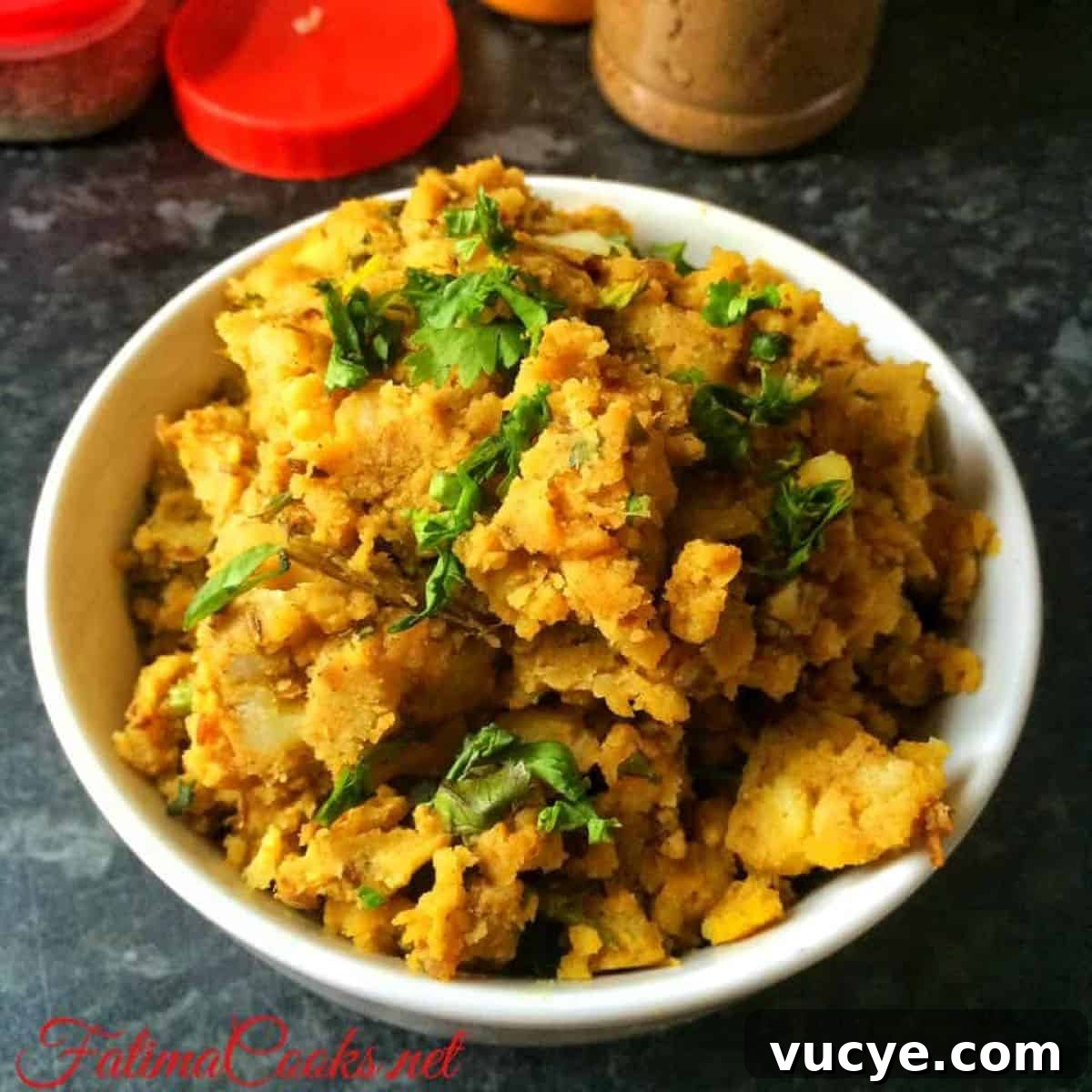
With Ramadan just under three weeks away, preparations for samosas, spring rolls, kebabs and a variety of Iftar snacks are already beginning. For many families, these familiar flavors signal the start of long evenings spent sharing food and company.
I have cherished memories from childhood Ramadans when my extended family all lived together. My mother, my chachis and chachus (aunts and uncles), and my grandparents would gather in the living room with a towering stack of spring roll wrappers, a pot of filling—often potato and peas or minced meat—and we would make samosas and spring rolls to last several days. Each person had a role: one filled the wrappers, another rolled them, and someone else brushed on the flour-and-water “glue.” I would sit close to my mother, eager to help. I began by spooning the masala into the wrappers and soon graduated to rolling long spring rolls and folding triangular samosas. Those afternoons were the highlight of Ramadan for me.
Those family gatherings eventually faded. My grandmother fell ill and became bedridden, two aunts moved out when I was a teenager, and my mother also moved away a few years later. It feels regrettable that this warm tradition ended before my younger cousins and sisters could experience it. Whether it is nostalgia or a sense of responsibility to preserve family customs, I decided I would not let that tradition disappear entirely.
When I told my mother I planned to make samosas and spring rolls this year, she discouraged me, saying, “It’s effort you don’t need to do; everything is available in shops for a reason.” While convenience has its place, there is something uniquely rewarding about homemade food. The care that goes into preparing snacks at home outshines prepackaged, mass-produced items. Homemade allows you to control the freshness and hygiene of ingredients and to adjust spices precisely to your taste. With store-bought samosas, I often think, “If they added a touch more pepper, coriander or cumin, this would be better.” When you make the filling yourself, you can fine-tune the balance of spices. The most time-consuming part is wrapping, which I enjoy: I set aside a few afternoons, turn on the radio, and let the hours slip by while I roll and fold.
This year I plan to make a variety of fillings: chicken and potato, minced lamb, fish, and perhaps paneer, along with Chinese-style prawn and vegetable spring rolls. I’ve already prepared a batch of vegetable spring rolls filled with carrots, cabbage, capsicum, sweetcorn and spring onions. Homemade spring rolls keep well in the freezer and are easy to fry or bake when needed, making them perfect for busy Ramadan evenings.
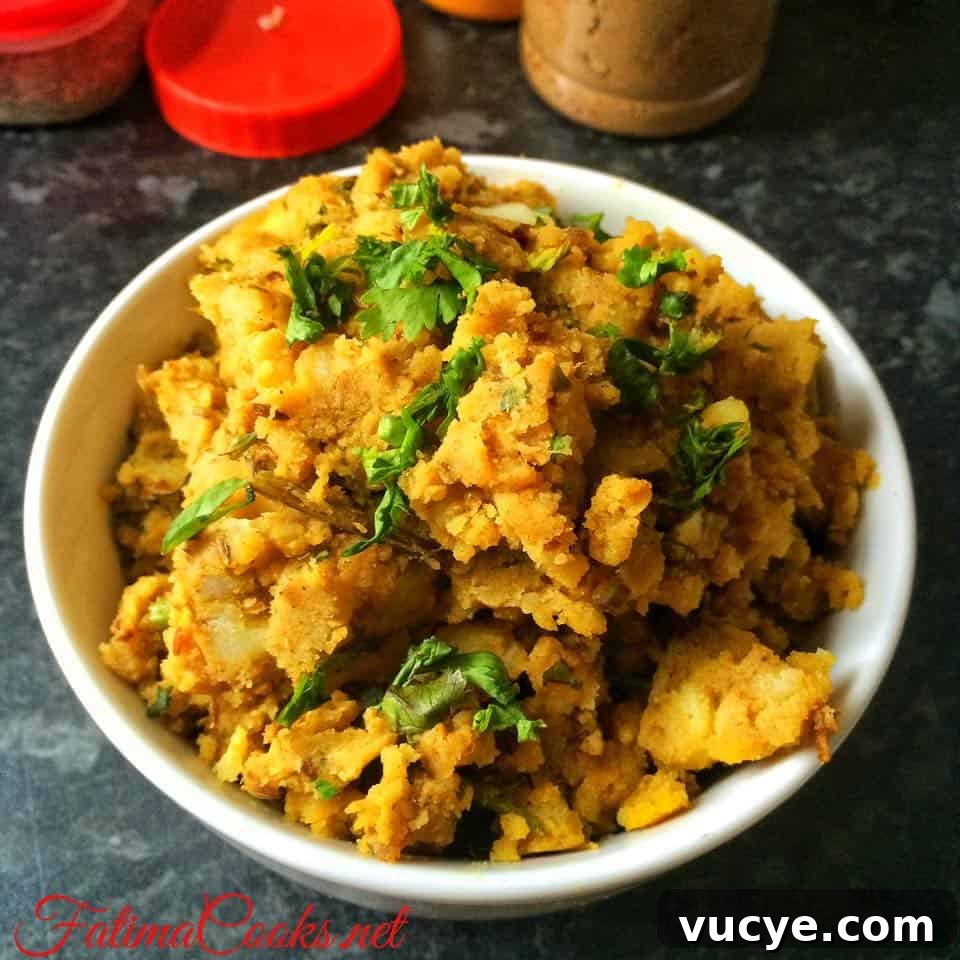
The cumin-spiced potato filling described below consistently receives compliments. It is balanced—spicy enough to be pleasantly warmed by a side of raita (yogurt and mint sauce) but not so hot that it becomes uncomfortable. If you prefer a milder filling, simply omit the chilli powder. This filling works well not only in samosas and spring rolls but also in parathas, pastries or potato cutlets.
If desired, you can add peas, sweetcorn or other vegetables after the potatoes are mashed. Fresh herbs finish the flavour beautifully. Be sure to let the filling cool completely before using it to stuff wrappers or form shapes.
📋 Recipe
Ramadan Recipe: Hot Cumin-Spiced Potato Filling for Samosas and Pastries
Ingredients
- 3 lb (1 1/3 kg) potatoes
- 2 medium onions (about 220 g)
- 1/2 bulb garlic, peeled
- 2 inch ginger
- 2 tablespoons cumin seeds
- 1/2 tablespoon coriander seeds
- 3 tablespoons oil
- 2 teaspoons coriander powder
- 1 teaspoon chilli powder (optional)
- 1 teaspoon turmeric
- 1 teaspoon black pepper
- 1 teaspoon cumin powder
- 2.5 teaspoons salt (adjust to taste)
- 1 bunch fresh coriander (about 30 g), chopped
Instructions
- Peel and roughly chop the onions, garlic and ginger. Set aside.
- In a pot, heat the oil and add 1 tablespoon of the cumin seeds and the coriander seeds, then add the onions, garlic and ginger. Cook over medium-high heat until the onions are caramelized and browned, about 10–12 minutes.
- Meanwhile, peel and roughly chop the potatoes. Once the onions are ready, add the potatoes, all the spices except the remaining tablespoon of cumin seeds, and about ¾ cup (180 ml) water.
- Reduce the heat to low, cover the pot, and cook until the potatoes are soft and easily mashed, about 40 minutes. Stir occasionally to prevent sticking and add a splash more water if needed.
- When the potatoes are fully cooked, turn off the heat. Mash the potatoes in the pot using a potato masher or a sturdy spoon until you reach your desired texture.
- Stir in the remaining tablespoon of cumin seeds and the chopped fresh coriander. Taste and adjust seasoning, adding more salt or pepper if needed.
- Allow the filling to cool completely before using it to fill samosas, spring rolls, parathas or to shape into cutlets. If you want to add peas or sweetcorn, defrost and stir them in after mashing.
Notes
Making snacks from scratch is more than a culinary task; it is a way to preserve family memory, share traditions and pass them on to the next generation. Whether you cook alone or invite friends and family to help, the process is rewarding and the results are always comforting. Enjoy this filling with love.