[et_pb_section bb_built=”1″ specialty=”off” _builder_version=”3.10.1″ use_background_color_gradient=”on” background_color_gradient_start=”rgba(255,255,255,0.65)” background_color_gradient_end=”rgba(255,255,255,0.65)” background_color_gradient_overlays_image=”on” background_image=”https://wholefoodfor7.com/wp-content/uploads/2018/07/bg-pattern.png” background_repeat=”repeat” background_size=”contain”][et_pb_row][et_pb_column type=”4_4″][et_pb_text admin_label=”title of recipe/post” _builder_version=”3.11″ header_font=”|||on|||||”]
BUDGET WHOLE 30 TIP #1
[/et_pb_text][et_pb_image admin_label=”image of recipe” _builder_version=”3.11″ src=”https://wholefoodfor7.com/wp-content/uploads/2018/08/Screen-Shot-2018-08-06-at-2.10.01-AM.png” /][et_pb_text admin_label=”blog post or details about recipe” _builder_version=”3.11″]
My #budgetwhole30 began yesterday, April 2, and I’m excited to share the journey. Whole30 and clean eating sometimes get labeled as expensive or only doable if you shop at specialty stores and buy convenient, costly products. That’s not true. You can follow Whole30 on a budget with planning and a few simple habits.
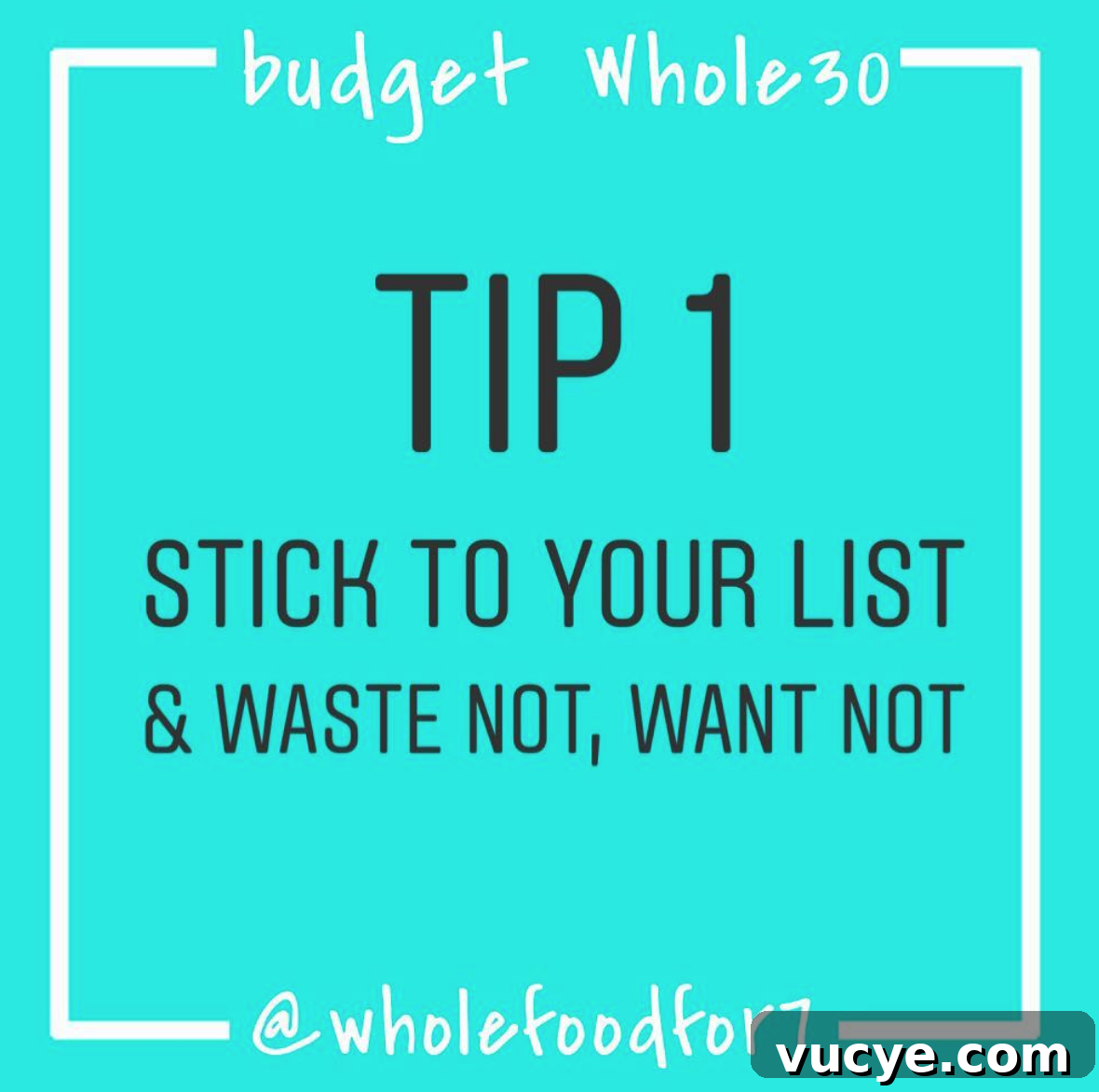
I’ll be posting budget-friendly tips, meals, and recipes throughout the month. My first tip is simple but crucial — meal plan. Going to the store without a plan or a specific list leads to impulse purchases and forgotten essentials. When you forget staples, you end up making extra trips, spending more on gas, and sometimes paying higher prices at closer stores because you need something right away. Dave Ramsey’s advice fits here: “A list can make or break a budget.” Plan your meals, write a list, and stick to it.
Think of your groceries as edible cash. You paid for them, so don’t let them go to waste. The average American throws away about $640 of food a year — roughly $50 a month. A solid meal plan and disciplined shopping prevent that waste. In our house, weekends are reserved for using up leftovers and cooking vegetables that are nearing the end of their freshness. If you can’t eat something right away, freeze it. Most cooked foods keep well in the freezer for months, which saves time and money later.
Here are a few practical habits that help keep Whole30 affordable:
- Batch cook basics like roasted vegetables, baked proteins, and simple sauces to mix and match during the week.
- Buy versatile ingredients that can be used in multiple meals to stretch your dollars and reduce waste.
- Shop sales and seasonal produce, but only for items you will actually use in your planned meals.
- Use leftovers creatively — turn roasted veggies into a hash, combine proteins with fresh greens, or use soups and stews as freezer meals.
- Freeze portions in labeled containers so you always have a Whole30-compliant meal on hand, avoiding last-minute takeout.
Meal planning, a strict list, and intentional use of leftovers are the foundation of eating clean without overspending. Over the coming weeks I’ll share specific recipes and examples of budget-friendly Whole30 meals that are easy to prep and freeze. For now, start with a plan, protect your grocery dollars, and remember: wasting food is wasting money. Stick to the list, use your freezer, and make simple batch cooking part of your routine.
[/et_pb_text][et_pb_post_nav _builder_version=”3.11″ prev_text=”PREVIOUS POST” next_text=”NEXT POST” in_same_term=”on” /][/et_pb_column][/et_pb_row][/et_pb_section]