
These 7 small lifestyle changes to stay fit can be easily incorporated into your everyday life and help you become healthier without major commitments.
 Turning 30 often brings a noticeable shift in how the body behaves. Metabolism slows, foods that once caused no visible change can start showing up on your body, and afternoons can feel sluggish. Jiggly arms and low energy become common complaints, especially when long workdays and family responsibilities leave little time for focused fitness.
That said, staying fit doesn’t always require big, daunting commitments. Signing up for a gym and never going wastes time and money. Real, lasting change often comes from small, consistent adjustments. Below are seven practical habits I’ve adopted that are easy to apply and can make a meaningful difference over time.
Try any of these for 30 days and you’ll likely notice improved awareness, better energy and gradual progress toward a healthier lifestyle.
- Set small, realistic goals. Start with achievable targets rather than extreme rules. Big declarations like “I’ll go to the gym six days a week” or “I’ll never eat processed food” often backfire. Choose modest, specific goals—things you can repeat consistently. Small wins build momentum and reinforce lasting habits.
- Use a water bottle that motivates you. Drinking 8–10 glasses a day can feel tedious, even though it’s essential. Make hydration appealing by choosing a colorful, fun bottle and keeping it nearby. A bottle you like increases the chance you’ll sip throughout the day and meet your water needs.
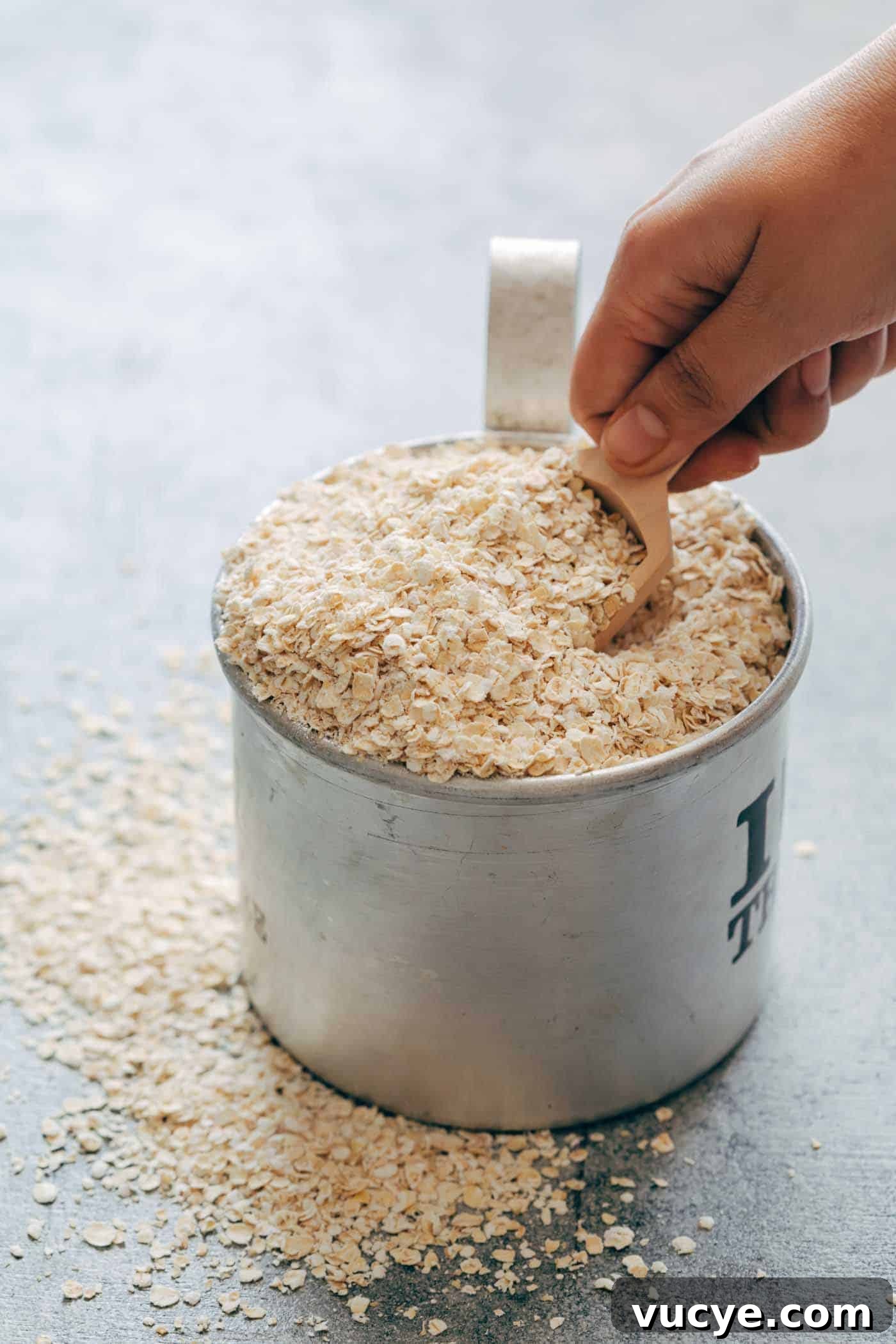
- Add more fiber to your meals. Fiber supports digestion, keeps you full longer and helps stabilize energy. Oats, fruits and green vegetables are easy, versatile options. Oats are especially high in fiber and work for sweet or savory breakfasts, snacks, or even as an ingredient in main dishes (as a binder or crust alternative). Other good sources include nuts, lentils, beans, broccoli and berries. Including a few fiber-rich foods every day is a simple way to improve overall nutrition.

- Start the day with water. Drinking a glass of water first thing in the morning helps flush overnight toxins, rehydrate your body and kick-start your metabolism. Make it a habit to reach for water before you reach for your phone or breakfast.
- Take the stairs when possible. Adding small bursts of activity—like choosing stairs over elevators—accumulates into meaningful movement across the day. If you live or work on a high floor, try taking the stairs for a few flights and then using the elevator for the rest. It’s an easy, low-effort way to increase daily activity.
- Reserve 10 minutes a day for yourself. Ten minutes out of 1,440 feels manageable, yet many people never pause. Use this time to breathe, stretch, meditate, journal or simply sit quietly without screens. A short daily pause improves mental clarity, reduces stress and fosters greater awareness of body and mind.
- Prioritize adequate sleep. As responsibilities increase, sleep is often the first casualty. Regularly skimping on rest undermines recovery, mood and long-term health. Aim for consistent, sufficient sleep each night—even on busy days. A well-rested body performs better, thinks clearer and handles stress more effectively.
These seven small lifestyle changes are practical, easy to adopt and sustainable. Start with one or two, then gradually add others. Consistency matters more than intensity—small improvements repeated over time lead to significant results. Take it step by step and reclaim your health.
This post is sponsored by Horlicks Oats